Transportation Management Software is a technology solution designed to optimize the entire transportation process. To better understand what Transportation Management Software is, as well as its structure and key functions, let's explore the information below.
In today's rapidly growing logistics industry, transportation plays a critical role in the operations of many businesses. However, manual management using paperwork and spreadsheets often results in inefficiencies and various operational risks. As a result, Transportation Management Software has emerged as a technological solution that optimizes the entire transportation workflow. To gain a clearer understanding of what Transportation Management Software is, along with its structure and core functions, please refer to the following information.
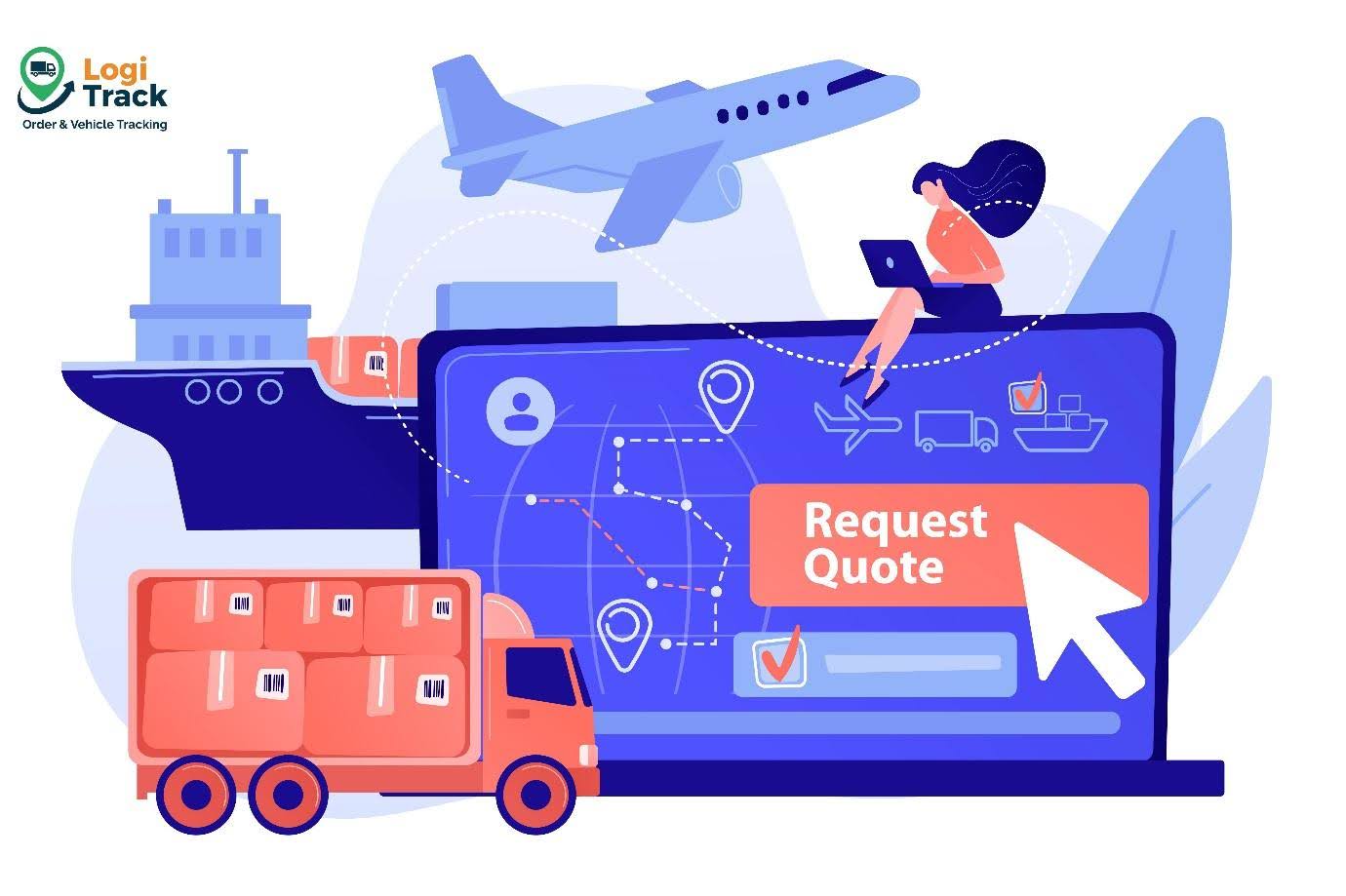 Transportation Management Software provides a wide range of powerful features.
Challenges Businesses Face Without Transportation Management Software
What Is Transportation Management Software?
Transportation Management Software is a system designed to manage, monitor, and optimize all activities related to a company's freight transportation operations. Through this platform, businesses can automate processes ranging from order intake, delivery planning, vehicle tracking, and route monitoring to performance reporting and operational cost analysis.
Problems Businesses Encounter Without Transportation Management Software
In today's rapidly evolving logistics environment, transportation is one of the most important components of the supply chain. However, many Vietnamese businesses still rely on traditional management methods such as Excel spreadsheets, paper records, or manual communication between dispatchers and drivers instead of using modern Transportation Management Software.
This leads to several significant issues:
-
Excessive time spent processing and updating orders.
-
Increased risk of errors, document loss, and delayed deliveries.
-
Difficulty controlling transportation costs, particularly fuel and labor expenses.
-
Lack of centralized data for evaluating operational performance.
As a result, operational costs increase, productivity declines, and the company's reputation suffers. In today's highly competitive market, these limitations can cause logistics businesses to lose their competitive advantage.
Consequences of Not Using Transportation Management Software
Beyond higher costs, manual transportation management can cause businesses to lose visibility and control over the entire transportation process. Some common consequences include:
Lack of Transparency in Transportation Operations
Without Transportation Management Software, information related to orders, vehicles, drivers, and routes is not synchronized. Businesses cannot track delivery status in real time, making customer inquiries difficult to answer promptly. This reduces customer trust and negatively impacts the overall service experience.
Waste of Resources and Human Labor
Dispatchers must manually enter data and compile reports from multiple sources. This process is not only time-consuming but also prone to mistakes, especially when handling large volumes of orders or multiple delivery routes per day.
Difficulty Optimizing Fuel Costs
Without route optimization tools, drivers may take inefficient routes, resulting in unnecessary mileage, empty return trips, and excessive fuel consumption. These hidden costs can significantly reduce profitability without being immediately noticeable.
Structure of Transportation Management Software
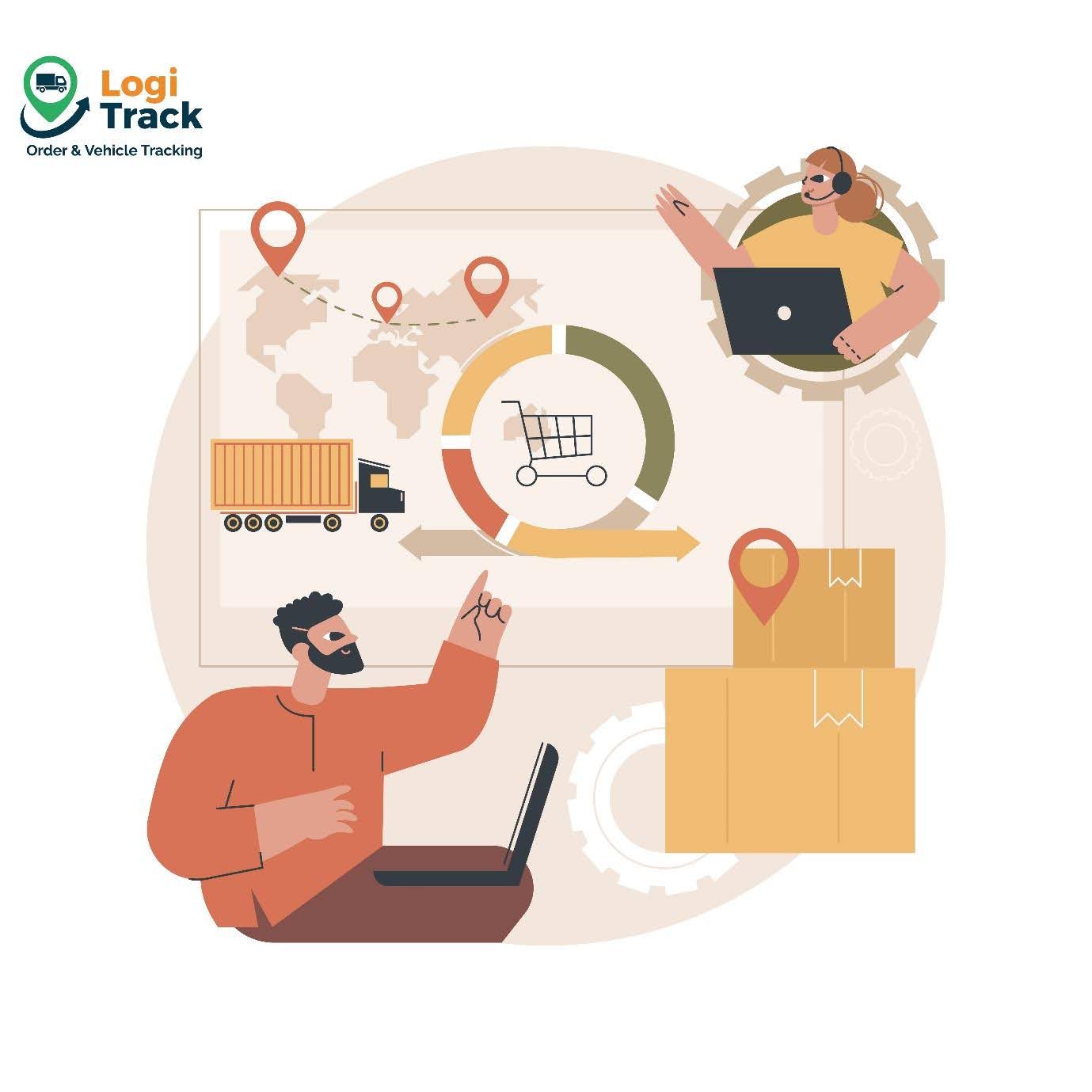 Transportation Management Software is designed with multiple system layers that work together seamlessly.
Centralized Data Management Layer
This layer serves as the core of the Transportation Management Software system. It stores and processes all operational data, including order information, transportation routes, drivers, vehicles, warehouses, and customer records. This layer is typically built on highly secure platforms that ensure fast processing speeds and scalable performance.
User Interface Layer
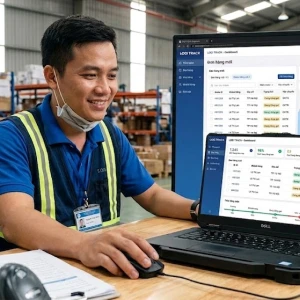
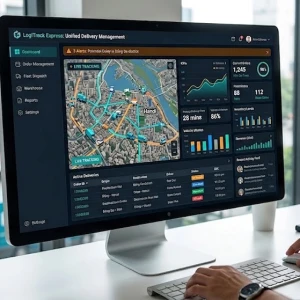
This layer provides an intuitive and user-friendly interface that allows users to operate the system efficiently. It typically includes dashboards, maps, alerts, reports, and statistical summaries that help users monitor shipment status and transportation activities in real time.
Integration and API Layer
This critical layer enables Transportation Management Software to integrate seamlessly with other business systems such as ERP, CRM, WMS, and accounting software. As a result, operational data can be synchronized automatically, reducing manual data entry and minimizing errors.
Key Functions of Transportation Management Software
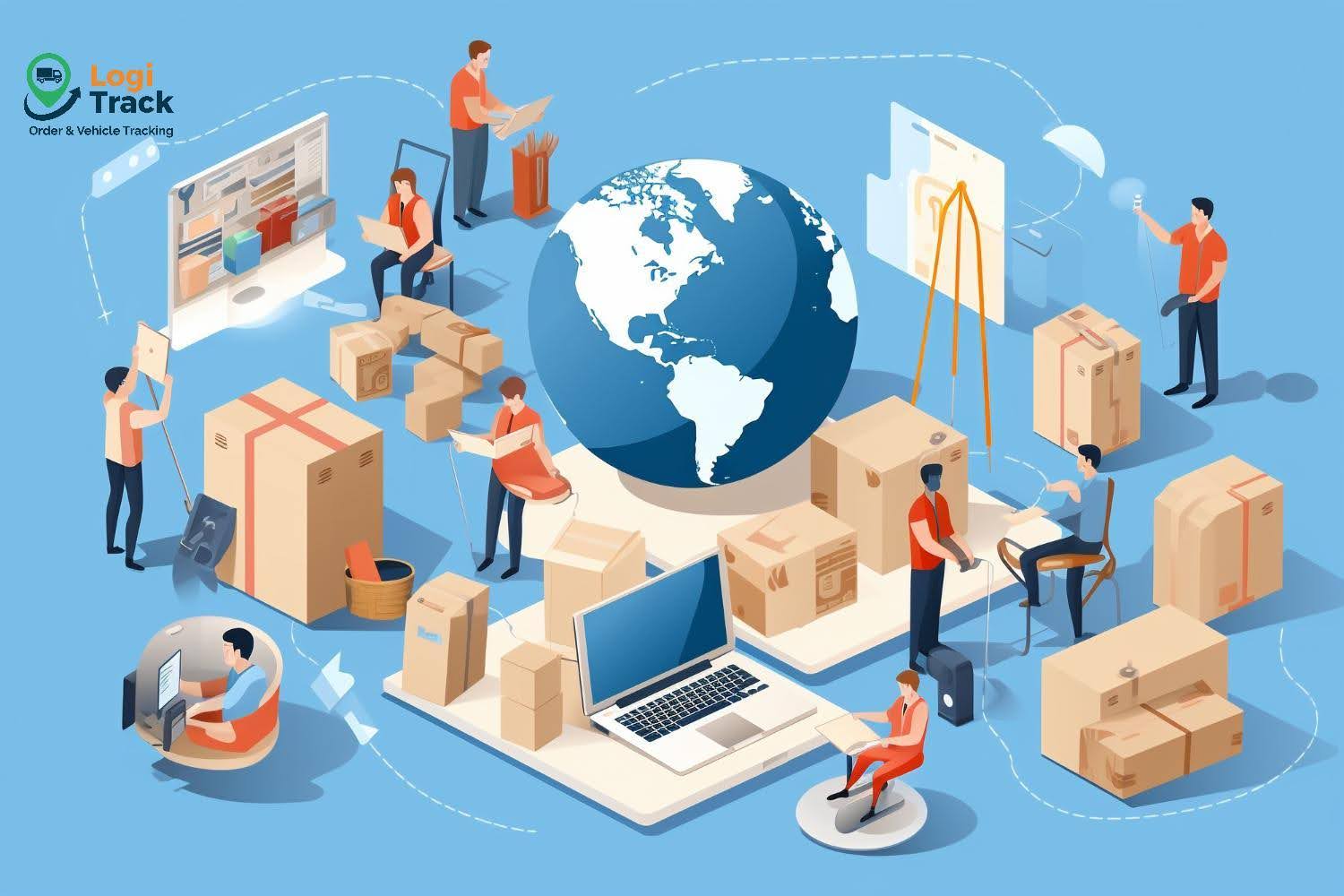 Transportation Management Software enables real-time monitoring of vehicle routes and shipment status.
Order Management and Dispatching
This function allows businesses to import orders from multiple sources, including websites, CRM platforms, e-commerce marketplaces, or manual entry.
The software automatically assigns orders to appropriate vehicles and drivers based on route availability, vehicle capacity, and delivery schedules. This reduces errors, accelerates processing times, and maximizes transportation efficiency.
Route Planning and Optimization
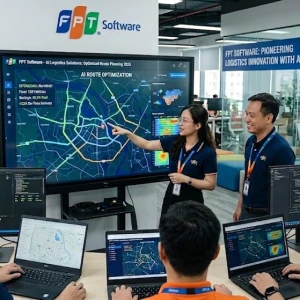
One of the most valuable features of Transportation Management Software is automatic route optimization.
The system's algorithms calculate the shortest, fastest, and most fuel-efficient routes while considering traffic conditions and delivery priorities. This helps businesses reduce fuel expenses and travel times significantly.
Route Monitoring and Shipment Tracking
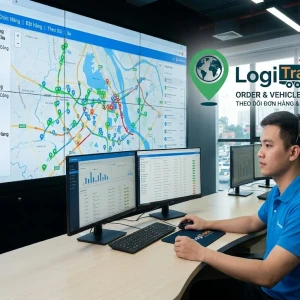
Integrated GPS and IoT technologies allow businesses to monitor vehicle locations, travel speeds, stop durations, and delivery progress through real-time maps.
Customers can also track shipments instantly using tracking numbers. This transparency improves customer trust and enhances overall service quality.
Vehicle and Driver Management
All information related to vehicles, including license plates, load capacities, maintenance schedules, and driver records, is stored in a centralized database.
The system can also generate automatic maintenance reminders, helping businesses improve safety, reduce legal risks, and extend vehicle lifespan.
Cost Management and Performance Reporting
Transportation Management Software helps businesses track fuel expenses, toll fees, maintenance costs, and other transportation-related expenditures.
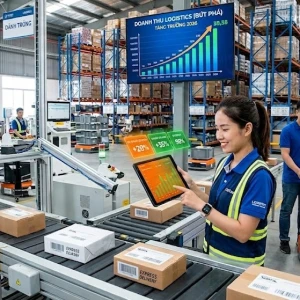
Managers can evaluate operational performance by route, vehicle, or individual shipment. Reports are presented through clear visual dashboards and charts, enabling more informed business decisions.
In today's digital era, implementing Transportation Management Software provides significant advantages for businesses seeking to improve transportation operations. A comprehensive Transportation Management Software solution helps organizations digitize workflows, reduce operational errors, improve visibility, and increase profitability.
Don't let outdated manual transportation processes continue to drain your resources. Choose Logitrack — a solution designed to save time, reduce costs, improve delivery performance, and enhance overall transportation management efficiency.