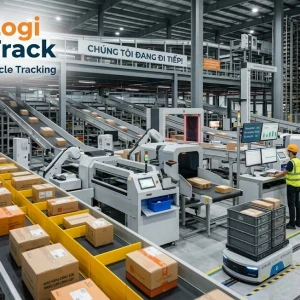
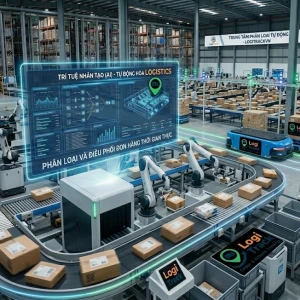
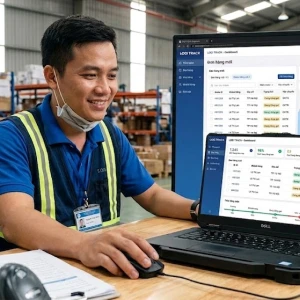
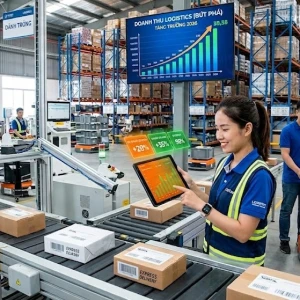
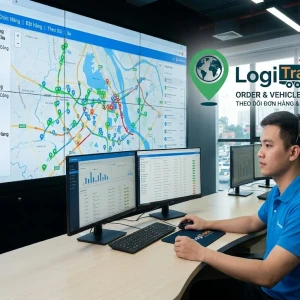
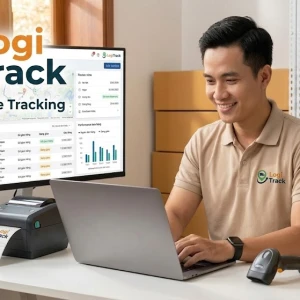
The emergence of courier management software is no longer merely a supporting tool; it has become a core platform that enables businesses to manage risks effectively and optimize profitability.
In the era of booming e-commerce, managing thousands of daily shipments alongside complex Cash-on-Delivery (COD) transactions has become a critical challenge for logistics providers. The emergence of courier management software is no longer just a supporting tool—it has become a core platform that helps businesses manage risks, control cash flow, and maximize profitability.
Challenges of Traditional Courier Management
Before adopting digital solutions, most small and medium-sized logistics companies faced significant operational challenges.
 Managing shipments through spreadsheets or paper records makes shipment tracking and financial reconciliation difficult and error-prone.
- COD Cash Flow Leakage: Manual reconciliation between drivers, branches, and accounting teams often leads to errors, discrepancies, and delayed payments to merchants.
- Limited Shipment Visibility: Today’s customers expect real-time shipment updates. Without a modern tracking system, customer service teams can quickly become overwhelmed with delivery status inquiries.
- Data Entry Errors: Manually transferring information from paper documents into spreadsheets often results in incorrect addresses, inaccurate package weights, and billing mistakes.
To fully address these issues, businesses need a dedicated courier management software solution designed specifically for logistics operations.
What Is Courier Management Software?
Courier management software is an all-in-one operational platform built for courier companies, express delivery providers, and last-mile logistics businesses. The system integrates every stage of the delivery process, including order creation, shipment sorting, driver dispatching, financial reconciliation, and customer service management.
Unlike general business management tools, specialized courier management software focuses heavily on route optimization algorithms and dynamic cash flow management throughout the delivery lifecycle.
Key Features for Controlling COD Orders and Cash Flow
Effective COD management is one of the most important functions of a professional courier management software solution.
 The system automatically consolidates COD data in real time, reducing manual reconciliation efforts by up to 90%.
- Automated and Accurate Reconciliation
The software enables multi-way reconciliation between the logistics provider, the shipper, and the customer. As soon as the shipper updates the delivery status to "Delivered Successfully" through the mobile app, the system automatically records the Cash on Delivery (COD) payment into the customer's e-wallet or ledger. This completely eliminates the need for manual end-of-day reconciliation.
- Real-Time Debt and Cash Flow Management
Cash flow within logistics operations moves rapidly. The software provides real-time visibility into:
-
Funds currently held by drivers
-
Funds already deposited at branches
-
Funds awaiting settlement to merchants
This level of transparency helps businesses maintain tighter financial control and minimize risk.
Key Benefits of Implementing Courier Management Software
- Increase Operational Efficiency by Up to 200%
Instead of manually assigning shipments by delivery area, courier management software automatically allocates orders to drivers based on GPS location and vehicle capacity. The entire process takes only seconds, significantly reducing operational delays.
- Greater Transparency for Customers
Merchants can create shipments directly through dedicated web portals or mobile applications. They can track deliveries, monitor reconciliation history, and request COD withdrawals at any time. This transparency strengthens customer trust and loyalty.
- Reduced Administrative Costs
Barcode and QR code technologies simplify warehouse receiving and dispatch operations. Businesses can reduce their dependence on manual data entry and extensive accounting resources, ultimately improving profit margins.
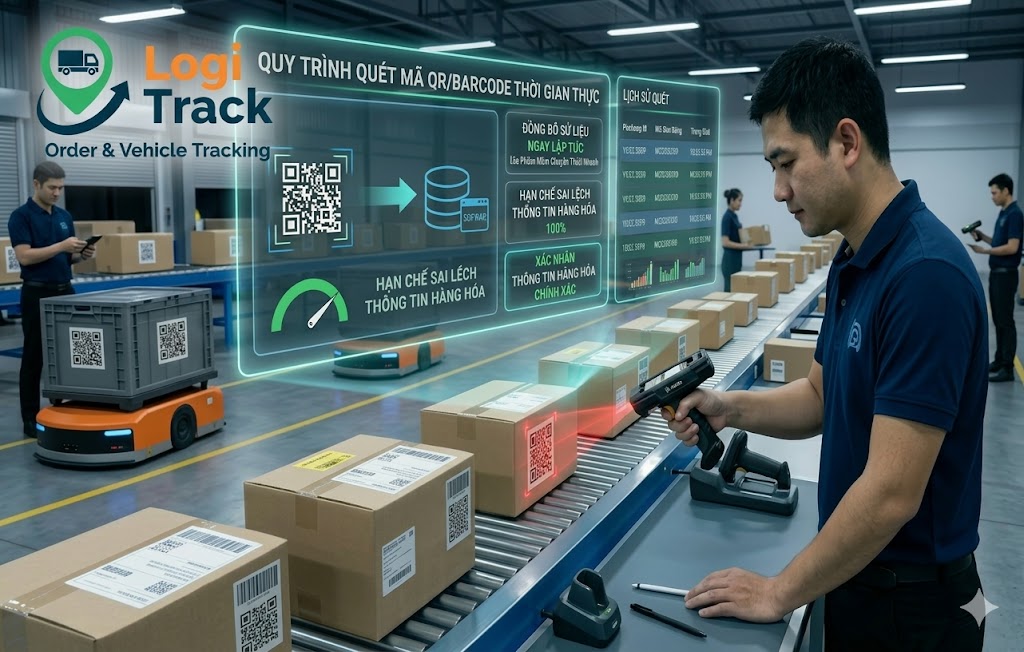 Barcode and QR code scanning instantly synchronize shipment information with the system, minimizing data discrepancies.
Standardized Shipment Management Workflow
A modern logistics operation powered by courier management software typically follows a closed-loop process consisting of five stages.
- Order Creation: Customers create shipments through APIs, web portals, or mobile applications. Shipping fees are automatically calculated based on distance and package dimensions.
- Pickup and Warehouse Check-In: Pickup staff scan QR codes, and the system records the shipment's arrival at the warehouse.
- Sorting and Dispatching: The software automatically assigns shipments to destination branches and allocates them to drivers responsible for specific delivery zones.
- Delivery and COD Collection: Drivers use the mobile application to update delivery status, capture proof-of-delivery photos, and collect COD payments.
- Reconciliation and Settlement: The system automatically generates reconciliation reports, deducts service fees, and transfers collected funds to merchants.
How to Choose the Right Courier Management Software
When evaluating solutions, businesses should consider the following factors.
- Scalability: The software should be capable of handling anything from a few hundred shipments to tens of thousands of orders per day without performance issues.
- API Flexibility: It should integrate easily with e-commerce platforms such as Shopee, Lazada, TikTok Shop, and other business management systems.
- Reliable Mobile Applications: Drivers work in constantly changing environments. The mobile app should remain stable even under weak network conditions and provide accurate GPS navigation.
- Data Security: Customer information and financial records are highly sensitive assets. A robust courier management software solution must include multiple layers of security protection.
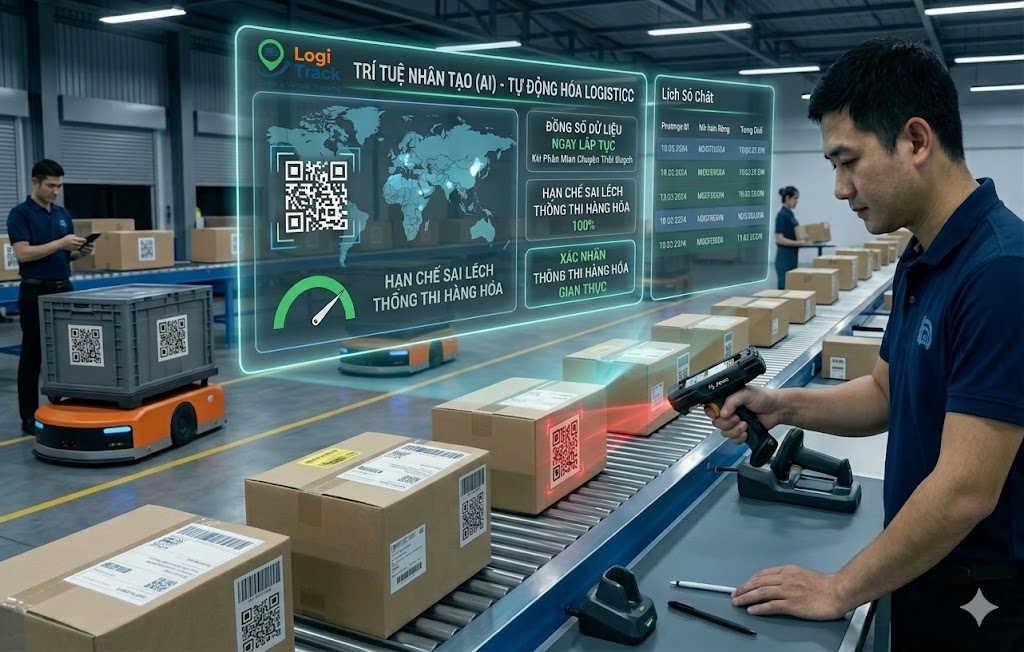 A high-quality courier management platform should include a reliable mobile application that allows drivers to update delivery statuses and COD collections directly in the field.
Investing in courier management software is no longer optional—it is a business necessity in today’s digital logistics environment. Effective control of COD orders and cash flow not only prevents financial losses but also helps businesses build long-term trust with merchants and partners.
If your organization is looking to modernize operations, now is the time to begin digitizing your logistics processes. Technology has become the most powerful lever for logistics companies seeking sustainable growth and competitive advantage in an increasingly demanding market.