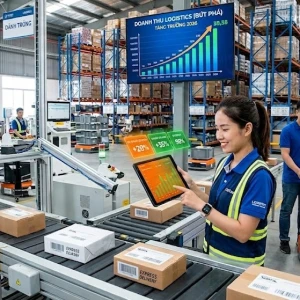
This is not merely a passing trend but a critical business strategy for optimizing the entire supply chain, particularly in the development of specialized courier management software.
In the context of globalization and the rapid growth of e-commerce, the transportation and logistics industry faces increasing pressure to improve speed, accuracy, and cost efficiency. To stay competitive in the digital transformation race, many businesses are turning to logistics software outsourcing as a strategic solution. This is not merely a passing trend but a critical approach for optimizing the entire supply chain, particularly when developing specialized courier management software systems.
What Is Logistics Software Outsourcing?
Logistics Software Outsourcing is the practice of entrusting the design, development, deployment, and maintenance of logistics technology systems to a specialized third-party software provider. Instead of investing heavily in building and maintaining an in-house IT team, businesses can leverage external technical expertise to develop tailor-made solutions such as Warehouse Management Systems (WMS), Transportation Management Systems (TMS), and Courier Management Software that align with their specific operational requirements.
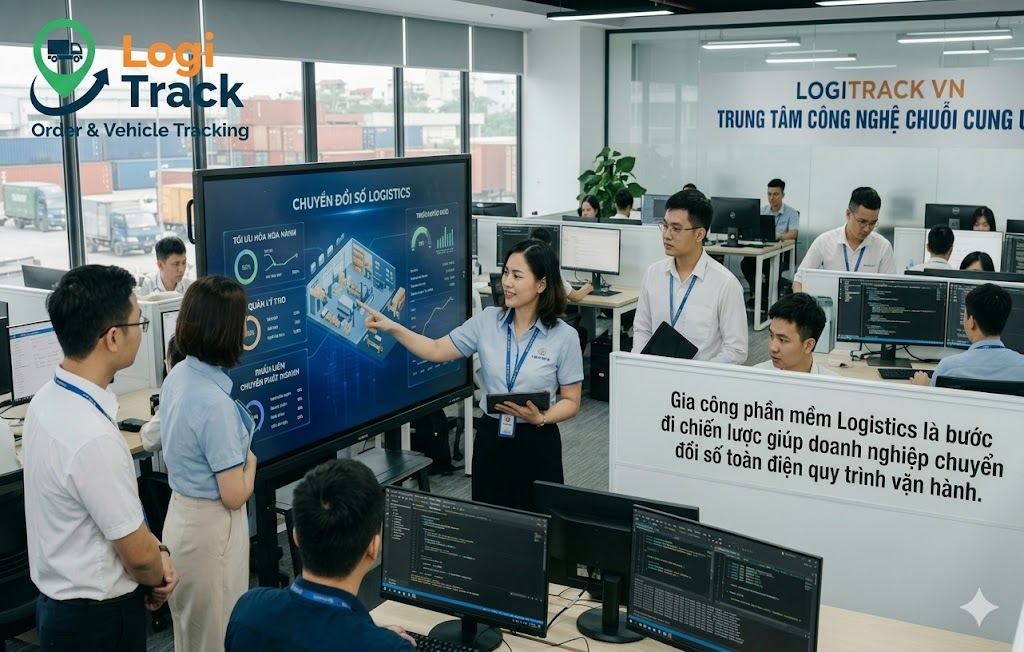 Logistics software outsourcing is a strategic step toward comprehensive digital transformation of logistics operations.
Outsourcing enables businesses to own software solutions that accurately reflect their unique operational processes. Unlike off-the-shelf software, which may include unnecessary features or lack critical functionality, customized logistics software is designed specifically to address operational bottlenecks and business challenges.
The Importance of Courier Management Software in the Supply Chain
In logistics, last-mile delivery is often considered the most challenging and costly stage of the supply chain. This is where courier management software plays a central role.
- Route Optimization and Cost Reduction
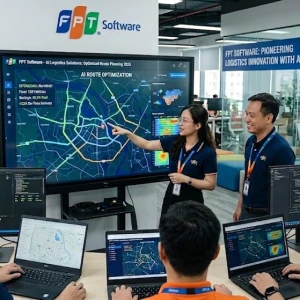
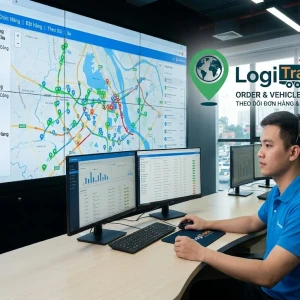
Modern courier management software integrates intelligent Route Optimization algorithms. The system automatically calculates the shortest delivery routes, avoids traffic congestion using real-time traffic data, and determines the most efficient delivery sequence for drivers. According to industry studies, route optimization can reduce fuel consumption and vehicle operating costs by approximately 15–25%.
- Increased Transparency and Better Customer Experience
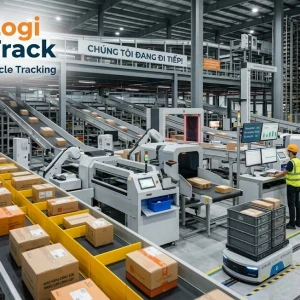
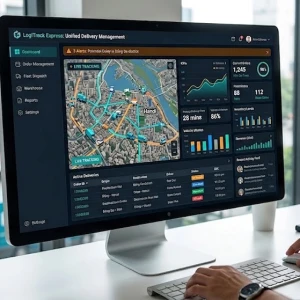
Today's customers expect complete visibility into their shipments. A professional courier management software platform should provide real-time tracking, allowing shipment information to be continuously updated from the central warehouse through transit hubs and ultimately to the recipient. This transparency reduces customer anxiety and minimizes the workload of customer support teams.
Today's customers expect complete visibility into their shipments. A professional courier management software platform should provide real-time tracking, allowing shipment information to be continuously updated from the central warehouse through transit hubs and ultimately to the recipient. This transparency reduces customer anxiety and minimizes the workload of customer support teams.
- Accurate COD and Cash Flow Management
For delivery companies operating in Vietnam, managing Cash on Delivery (COD) payments remains a major challenge. Specialized software automates reconciliation among drivers, accountants, and logistics providers, significantly reducing financial losses and data-entry errors.
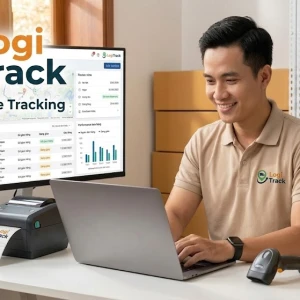
 Data transparency is a key factor in building trust and strengthening a logistics brand.
The 5-Step Professional Logistics Software Outsourcing Process
A reputable outsourcing provider follows a structured software development process to ensure project success.
- Business Analysis and Requirement Gathering: Technology consultants work closely with warehouses and operational teams to understand existing workflows and identify opportunities for improvement.
- UX/UI Design: User experience is critical. The interface of courier management software must be intuitive and easy to use, even for drivers with limited technical expertise.
- Software Development: Developers build the solution using modern frameworks and technologies to ensure performance, security, and scalability as shipment volumes grow.
- Quality Assurance and Testing: The software must undergo rigorous testing for security, response time, and load-handling capacity before deployment.
- Deployment, Training, and Maintenance: The provider deploys the solution, trains employees, and offers ongoing technical support to ensure uninterrupted operations.
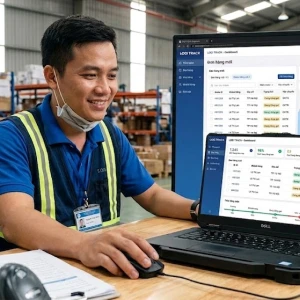
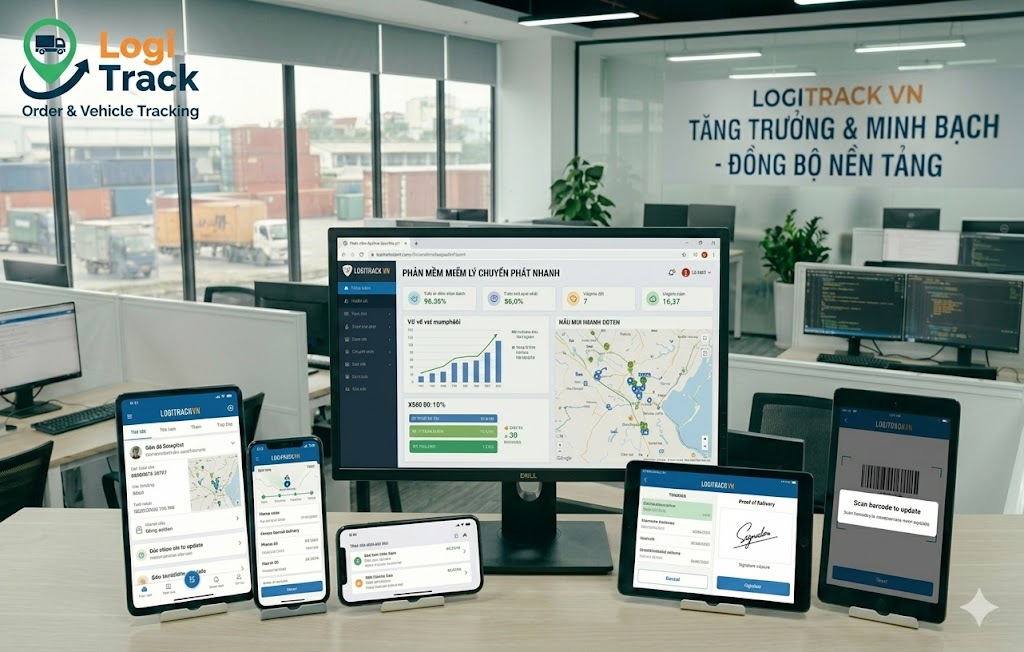 Seamless synchronization between mobile applications and web platforms eliminates operational gaps in logistics management.
The Future of Logistics: AI and Automation
Over the next decade, logistics software outsourcing will evolve far beyond basic operational management. Future courier management software solutions will increasingly integrate:
Robotic Process Automation (RPA): Automates repetitive administrative tasks such as data entry, notifications, and routine reporting.
AI-Powered Forecasting: Artificial intelligence can predict warehouse congestion and shipment surges based on consumer purchasing patterns, allowing businesses to allocate resources proactively.
Cashless Payment Integration: Deeper integration with digital wallets and banking systems will enable instant fund transfers immediately after successful deliveries.
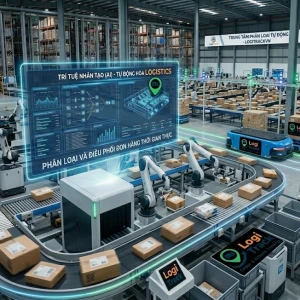
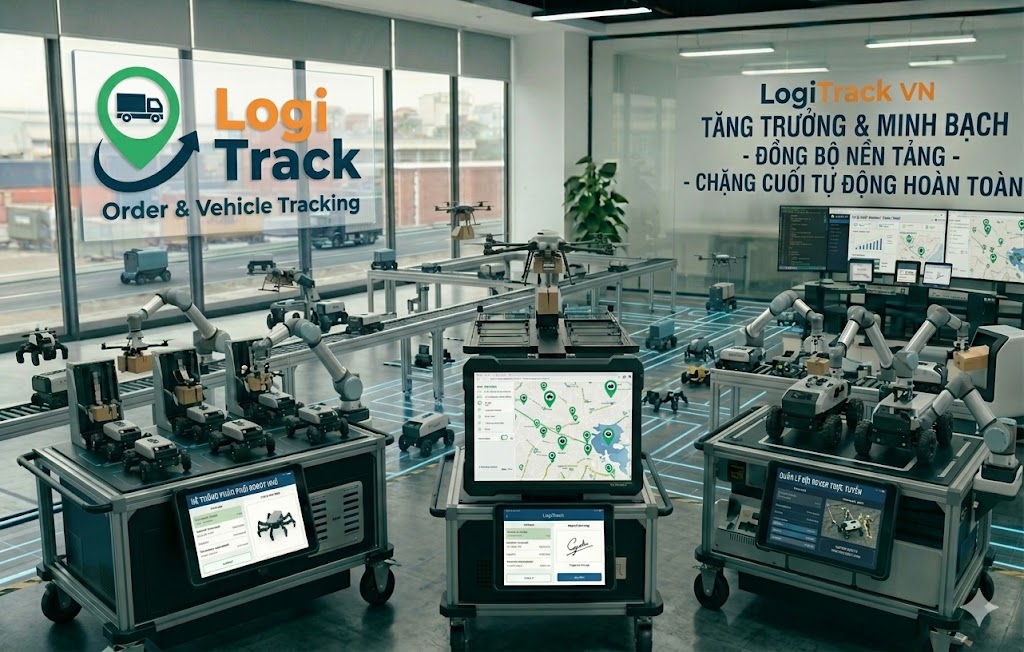 Future technologies will optimize last-mile delivery through advanced automation and intelligent logistics systems.
Logistics software outsourcing is no longer a luxury—it has become a necessity for transportation and logistics businesses that want to remain competitive and achieve sustainable growth. By implementing professional courier management software, companies gain visibility and control over every shipment while also building a stronger foundation for future expansion.
Digital transformation is a long-term journey. The first step is choosing a software outsourcing partner with deep industry knowledge and strong technological capabilities to help guide your organization through the Logistics 4.0 revolution.