The integration of Artificial Intelligence (AI) into courier management software is no longer a luxury—it has become an essential standard for logistics businesses seeking to optimize operations and strengthen their competitive advantage.
In the era of booming e-commerce, speed and accuracy have become the two most critical success factors in the delivery industry. The adoption of courier management software integrated with Artificial Intelligence (AI) is no longer a luxury—it has become an essential standard for logistics companies seeking to optimize operations and strengthen their competitive advantage.
The Rise of AI in the Courier and Logistics Industry
The global logistics sector is experiencing a major digital transformation. Instead of relying on spreadsheets or disconnected management systems, businesses are increasingly turning to intelligent courier management software solutions. AI serves as the “brain” of these systems, processing millions of operational data points every second and enabling faster, more accurate decisions than traditional manual methods.
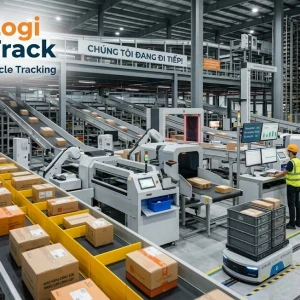
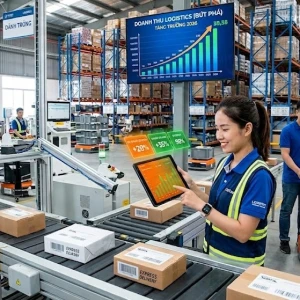
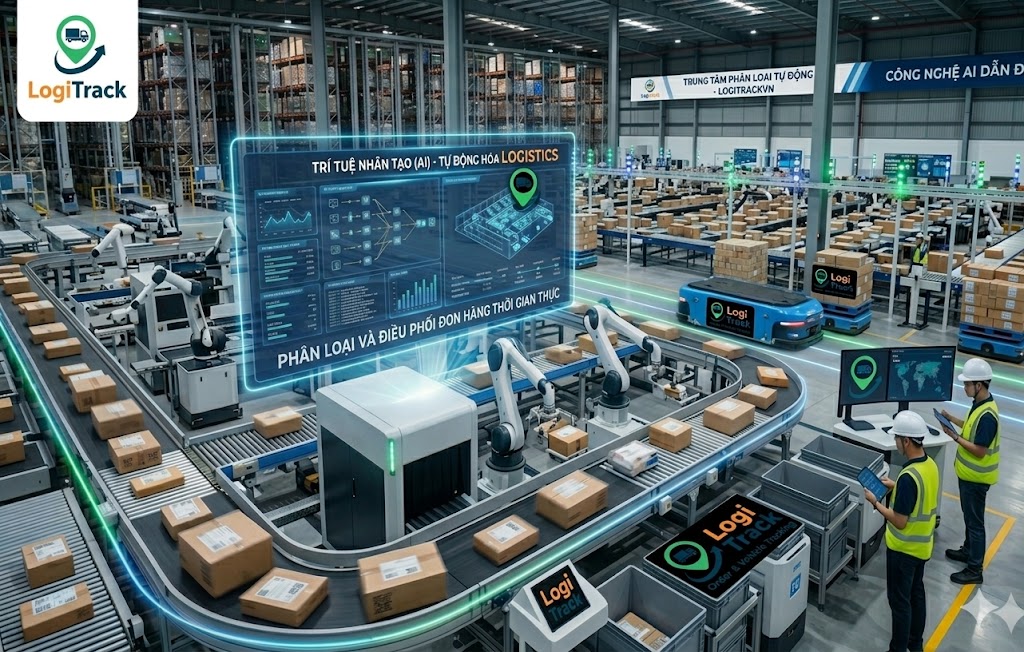 Artificial Intelligence (AI) helps automate sorting and dispatching processes in logistics operations.
According to recent industry reports, integrating AI into logistics operations can reduce overall logistics costs by 15–25% while improving delivery times by up to 30%. This explains why modern software platforms are increasingly focused on machine learning and big data analytics.
Breakthrough Features of AI-Integrated Courier Management Software
A modern courier management software solution is much more than a simple order management tool. The following AI-powered features are redefining operational efficiency across the logistics industry.
Route Optimization
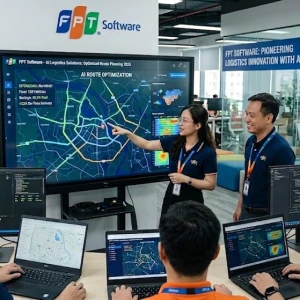
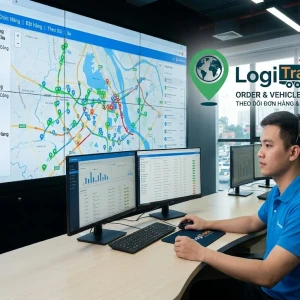
AI can analyze real-time traffic conditions, weather information, and delivery locations to determine the fastest and most efficient routes for drivers. This significantly reduces fuel consumption and helps businesses maintain delivery commitments.
Demand Forecasting
Using historical data, the software can predict peak shipping periods such as holidays and major shopping events. Businesses can then allocate staff and vehicles more effectively, avoiding both resource shortages and unnecessary operational expenses.
Automated Sorting and Shipment Processing
AI systems combined with smart hardware technologies such as robots and automated conveyor systems can identify barcodes, dimensions, and shipment weights to automatically sort parcels into the correct delivery routes with near-zero error rates.
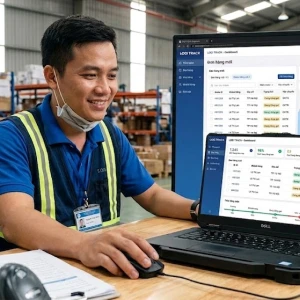
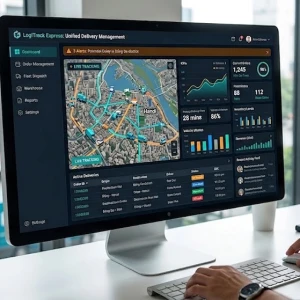
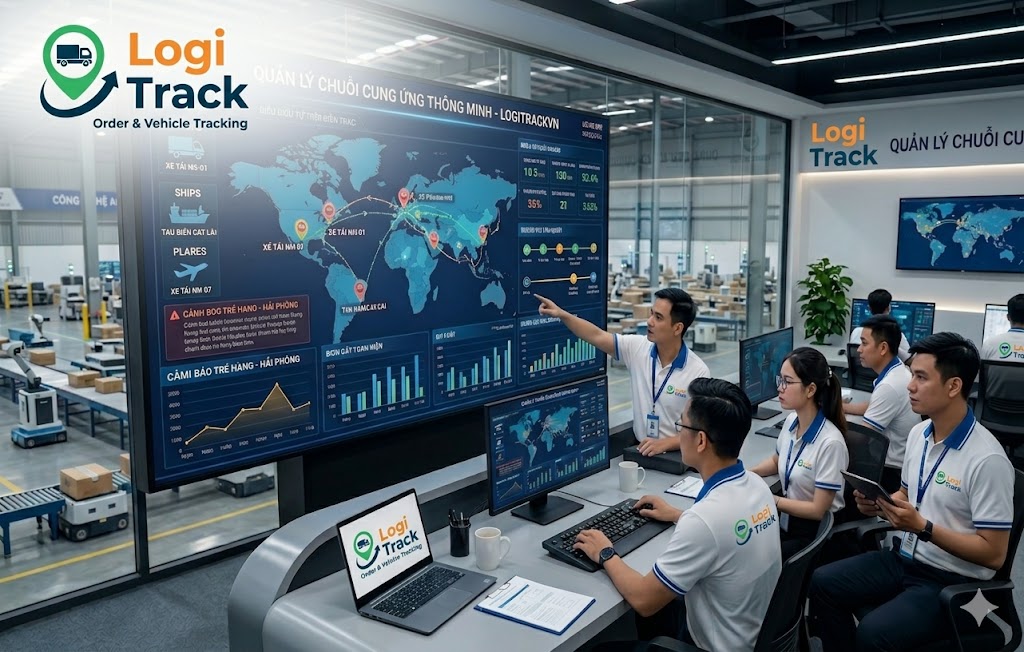 Intelligent management systems enable businesses to oversee the entire supply chain from a single dashboard.
Key Benefits of Smart Courier Management Software
Investing in a high-quality courier management software solution delivers significant long-term benefits.
- Reduced Human Error: Automated data entry and dispatching processes eliminate common mistakes such as incorrect addresses, misplaced shipments, and manual processing errors.
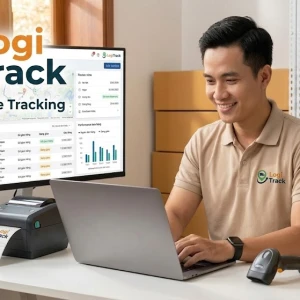
- Greater Transparency: Customers can track their shipments in real time, creating greater trust and improving overall customer satisfaction.
- Increased Workforce Productivity: Employees spend less time on repetitive manual tasks and can focus on handling complex situations and delivering better customer service.
- Advanced Business Intelligence: AI generates detailed reports on branch performance, driver productivity, delivery success rates, and operational efficiency, enabling managers to make more informed business decisions.
Challenges of Implementing AI-Powered Logistics Solutions
While AI delivers substantial benefits, businesses may face several challenges during implementation.
- Initial Investment Costs: AI-enabled systems often require higher upfront investments for infrastructure, licensing, and implementation compared to traditional software solutions.
- Data Quality Requirements: AI systems depend on large volumes of accurate, clean data. Poor-quality data can negatively affect predictions and operational recommendations.
- Workforce Adaptation: Employees need training to effectively use advanced technologies and adapt to new digital workflows.
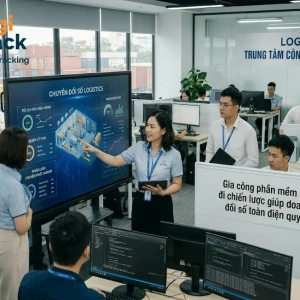
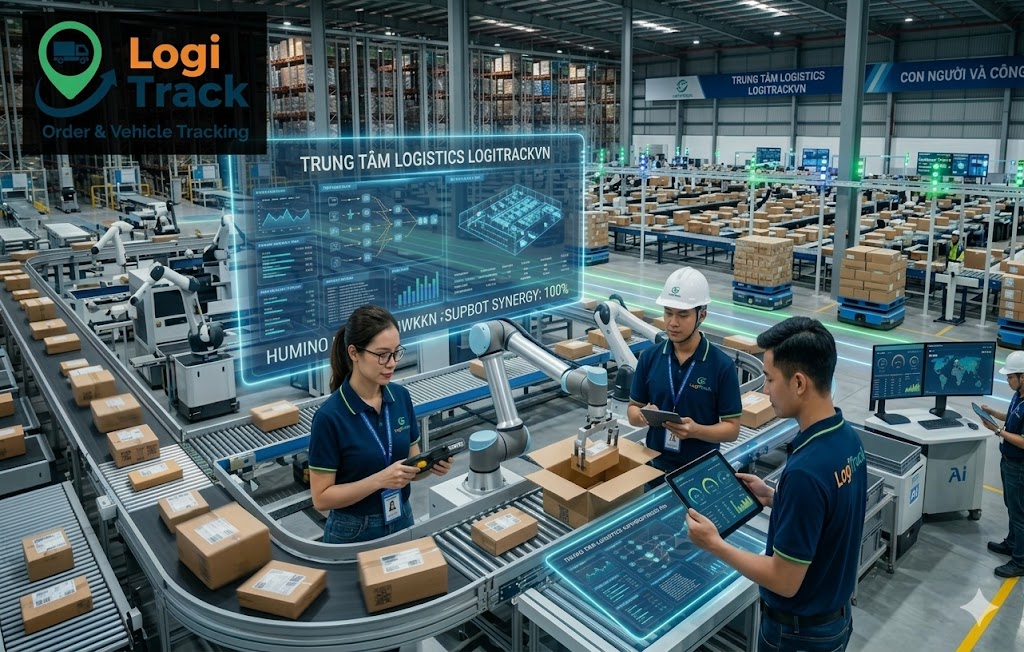 The combination of human expertise and AI technology creates an optimized logistics operation.
The Future of Courier Management Software in Vietnam
In Vietnam, leading logistics providers such as Viettel Post, VNPost, and Giao Hàng Tiết Kiệm have already begun investing heavily in advanced technologies. Future trends are expected to include:
- Drone and Robot Deliveries: Autonomous delivery vehicles and drones will increasingly be controlled through AI-powered courier management software platforms.
- Green Logistics: AI helps optimize vehicle loads and reduce empty trips, contributing to lower emissions and more environmentally sustainable operations.
- Personalized Customer Experiences: Advanced software systems can learn customer preferences and recommend the most suitable delivery times based on past behavior.
Criteria for Selecting the Right Courier Management Software
When choosing the best solution for your business, consider the following factors:
- Scalability: Can the software support your business as shipment volumes grow over time?
- Flexibility: Can it easily integrate with e-commerce platforms such as Shopee, Lazada, and TikTok Shop, as well as third-party logistics providers?
- Technical Support: Does the software provider offer reliable 24/7 support to quickly resolve technical issues and minimize operational disruptions?
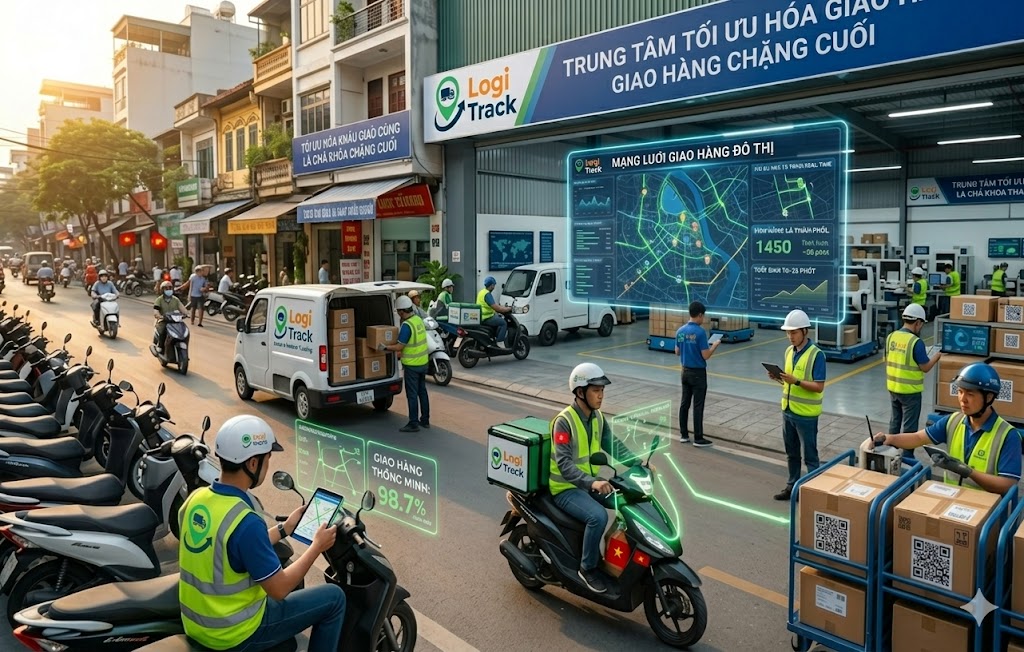 Optimizing last-mile delivery remains one of the most important success factors in modern logistics.
AI-integrated courier management software is no longer a futuristic concept—it has become the driving force behind modern logistics transformation. By implementing intelligent courier management software, businesses can optimize costs, improve delivery speed, enhance operational efficiency, and build long-term customer trust. As digital transformation continues to reshape the logistics industry, companies that fail to embrace AI-powered solutions risk falling behind their competitors. Investing in smart logistics technology today is an investment in sustainable growth and future success.