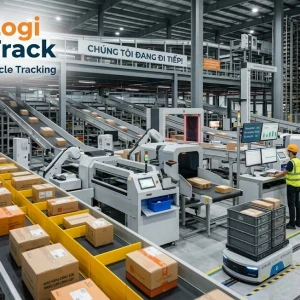
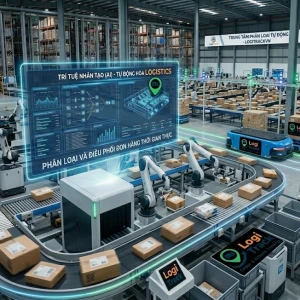
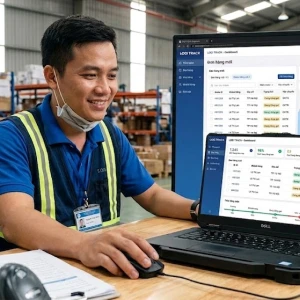
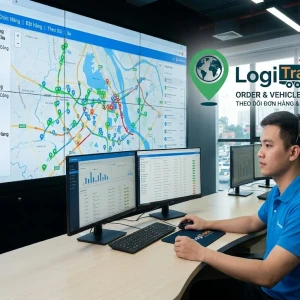
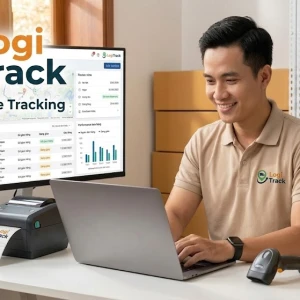
Today, having a powerful **courier management software** solution is no longer an option—it has become a necessity for businesses to remain competitive and survive in the market.
Today, having a powerful courier management software solution is no longer an option it has become a necessity for survival. However, with hundreds of solutions available on the market, which one is the optimal choice for your business size? Let’s explore a comprehensive roadmap for selecting the right technology solution in the article below.
Why Should Businesses Invest in Courier Management Software?
Before diving into selection strategies, it is important to understand the core value that courier management software brings. More than simply digitizing operations, it is a tool that helps businesses optimize profit margins.
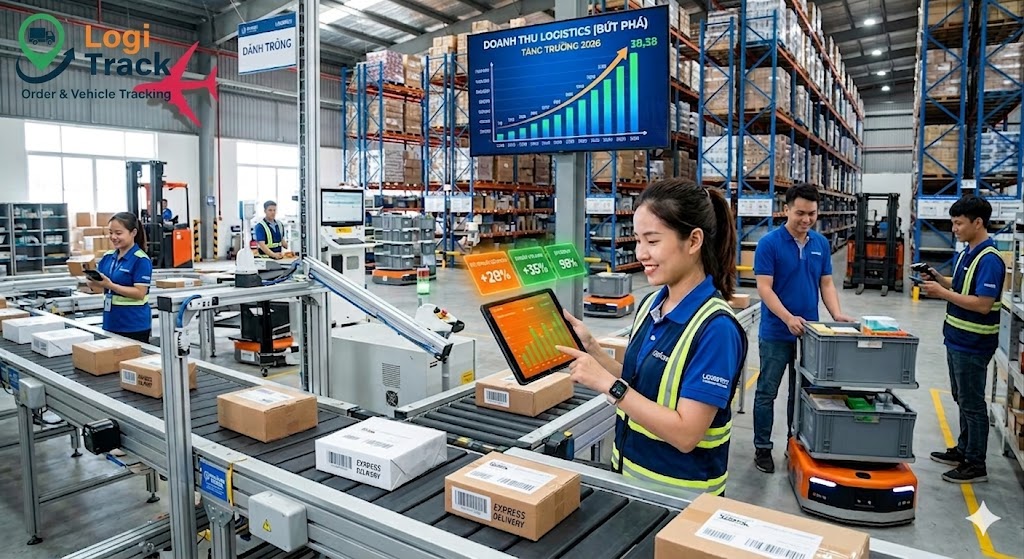 The combination of technology and operations helps logistics businesses accelerate revenue growth.
- Automate operational processes: From order creation and parcel sorting to shipper assignment, everything is handled in real time.
- Control COD cash flow: This is one of the biggest concerns for logistics business owners. The software enables accurate reconciliation and minimizes financial losses.
- Enhance customer experience: Customers can independently track their shipments and receive updates via SMS/Zalo, reducing pressure on customer service teams.
Key Criteria for Choosing Courier Management Software
To select the right “digital assistant,” you should evaluate solutions based on the following five essential criteria:
- Scalability and FlexibilityYour business may process only 100 orders today, but 10,000 orders per day in the future. A good courier management software solution must be scalable without disrupting existing operations.
- Shipper Management Features and Mobile App
In logistics, field information is the most critical. The software should include a dedicated driver app with features such as:
Fast QR code and barcode scanning.
Delivery success/failure updates with photographic proof.
GPS tracking to support route optimization and dispatching.
- Smart Reconciliation and Reporting System
Data is a valuable asset. The software should provide comprehensive reporting capabilities, including revenue reports, shipment volume by region, employee performance metrics, and especially transparent COD reconciliation reports for branches and customers.
 An intelligent reporting system helps managers make accurate decisions based on real-world data.
Types of Software Solutions Available Today
Depending on your needs, you can choose between two main types of solutions:
- SaaS (Software as a Service)
Suitable for small and medium-sized enterprises (SMEs). The advantages include fast deployment and lower costs through monthly or annual subscriptions. However, customization options for specific business requirements are often limited.
- Customized Software Solutions
Designed for large logistics enterprises with complex operational workflows. These solutions allow deep customization and seamless API integration with e-commerce platforms such as Shopee, Lazada, and TikTok Shop.
A 5-Step Process for Implementing Software in a Logistics Business
Adopting new technology often encounters resistance from existing employees. Therefore, a structured implementation roadmap is essential:
- Assess Business Needs : Identify and list the key pain points your business is currently facing.
- Request a Demo: Do not rush into purchasing. Request a trial period of at least 7–14 days from the provider.
- Train Employees: Organize workshops and training sessions for both office staff and drivers.
- Run a Pilot Program: Implement the software in a single branch or on a specific delivery route before rolling it out company-wide.
- Evaluate and Optimize: Monitor performance for three months and adjust software configurations as needed.
 Proper training helps employees master technology and improve productivity.
Common Mistakes When Purchasing Courier Management Software
- Focusing Only on Low Cost: “You get what you pay for.” Low-cost software often comes with weak security and frequent server issues during peak periods.
- Choosing an Overly Complex Interface: If a shipper needs more than one minute to update a delivery status, the software has already failed from a user experience (UX) perspective.
- Lack of Integration Capabilities: An isolated courier management software system that cannot connect with accounting software or third-party logistics providers will force employees to perform excessive manual data entry.
Technology Trends in Courier Management Software for 2026
In 2026, the logistics industry is witnessing the rise of AI and Big Data. Modern software platforms are increasingly integrating technologies such as:
AI Route Optimization: Automatically generates the most efficient delivery routes, helping businesses reduce fuel consumption and transportation costs.
Automated Chatbots: Provide 24/7 responses to customer shipment inquiries and tracking requests.
Blockchain Technology: Enhances security and transparency in verifying the delivery of high-value shipments.
 AI technology is transforming the way courier and logistics businesses operate.
Investing in courier management software is an investment in your company’s future. A powerful solution not only helps manage shipments more efficiently but also builds customer trust and optimizes internal resources.
We hope these insights will help you find the perfect technology solution for your logistics business. If you require extensive customization, prioritize providers with local technical support teams to ensure your system operates smoothly and reliably at all times.