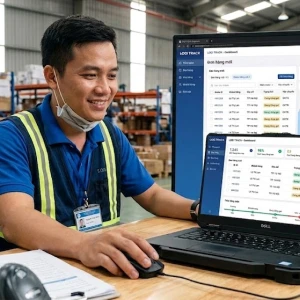
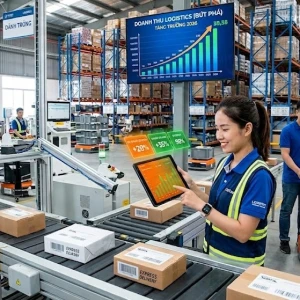
Freight transportation management software is a technology solution designed to optimize the entire transportation process. To better understand what freight transportation management software is, as well as its structure and key functions, please refer to the information below.
In today's era, the logistics industry is developing rapidly, and freight transportation has become one of the most critical factors for many businesses. However, manual management using paper records is inefficient and poses numerous risks. Therefore, freight transportation management software has emerged as a technological solution that optimizes the entire transportation process. To better understand what freight transportation management software is, along with its structure and key functions, please refer to the information below.
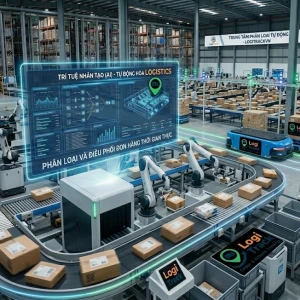
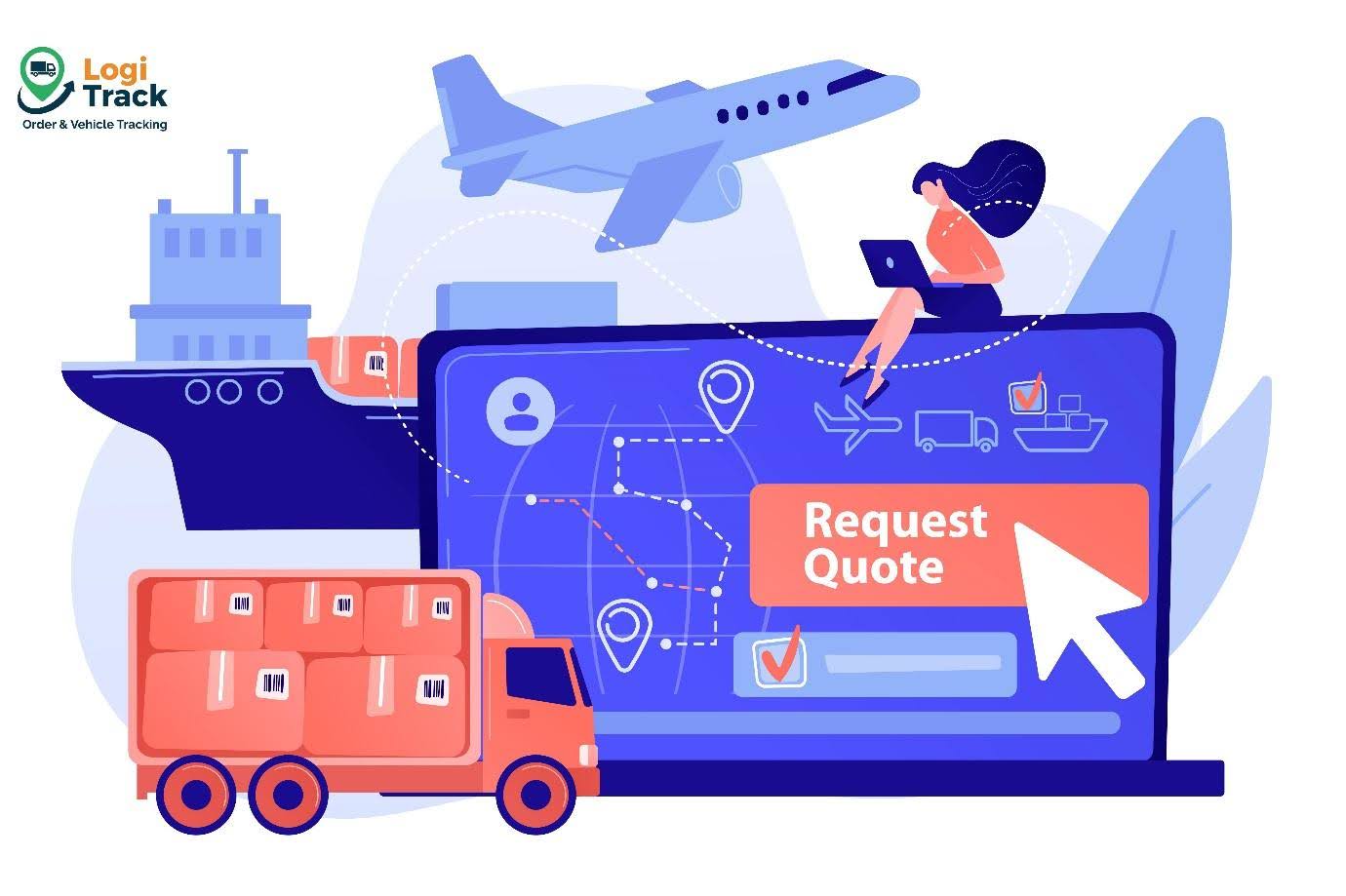 Freight transportation management software offers numerous advanced functions.
Challenges Faced by Businesses That Do Not Implement Freight Transportation Management Software
What Is Freight Transportation Management Software?
Freight transportation management software is a system designed to manage, monitor, and optimize all activities related to a company’s freight transportation operations. Through this platform, businesses can automate processes from order receipt, delivery planning, vehicle tracking, route monitoring, and performance reporting to operational cost analysis.
Challenges Faced by Businesses That Do Not Implement Freight Transportation Management Software
In today's rapidly growing logistics industry, freight transportation is one of the most important links in the supply chain. However, many Vietnamese businesses still have not adopted modern freight transportation management software and continue to rely on traditional management methods such as Excel spreadsheets, paperwork, or manual communication between dispatchers and drivers.
This leads to a series of serious issues:
-
Significant time spent processing and updating orders.
• Increased risk of errors, document loss, or delayed deliveries.
• Difficulty controlling transportation costs, especially fuel and labor expenses.
• Lack of centralized data for evaluating operational performance.
As a result, operating costs increase, productivity declines, and the company’s reputation suffers. In an increasingly competitive market, these limitations cause many logistics businesses to lose their competitive advantage.
Consequences of Not Implementing Freight Transportation Management Software
Beyond increased costs, manual transportation management can cause businesses to lose control over the entire transportation chain. Some common consequences include:
Lack of Transparency in Transportation Processes
When businesses do not implement freight transportation management software, information regarding orders, vehicles, drivers, and routes is not synchronized. As a result, companies cannot monitor delivery status in real time. This delays customer responses, reduces reliability, and directly affects the customer experience.
Waste of Resources and Human Capital
Dispatch staff must manually enter data and compile reports from multiple sources. This process is not only time-consuming but also highly prone to errors, especially for businesses handling large numbers of orders or multiple delivery routes each day.
Difficulty Optimizing Fuel Costs
Without route analysis tools, selected routes are often inefficient, resulting in detours, empty return trips, and excessive fuel consumption. This hidden expense can significantly reduce profitability without being immediately noticeable.
Structure of Freight Transportation Management Software
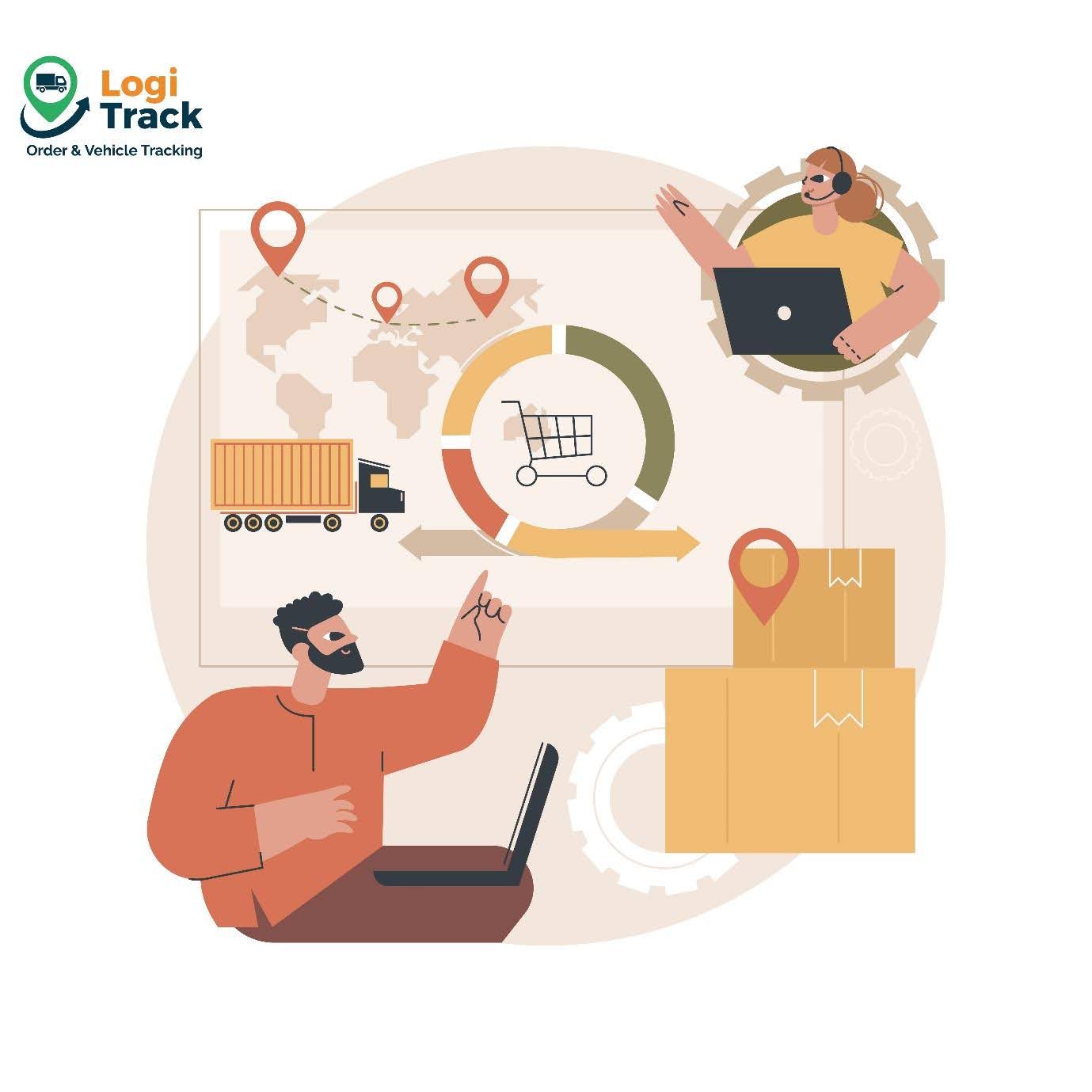 Freight transportation management software is designed with multiple structural layers.
Central Data Management Layer
This layer is considered the heart of the freight transportation management software system. It stores and processes all data related to orders, transportation routes, drivers, vehicles, warehouses, and customers. This layer is typically built on highly secure platforms, ensuring fast processing speeds and flexible scalability.
User Interface Layer
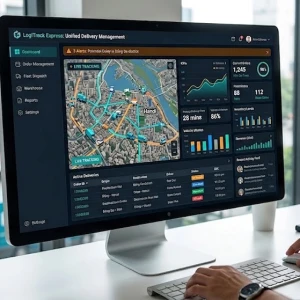
This layer provides an intuitive and user-friendly interface for easy operation. It includes charts, maps, alerts, and statistical dashboards, enabling users to conveniently monitor order status and transportation activities.
Integration and API Layer
This is an essential component that allows freight transportation management software to connect with other systems such as ERP, CRM, WMS, and accounting software. As a result, operational data is automatically synchronized, reducing manual data entry and minimizing information errors.
Main Functions of Freight Transportation Management Software
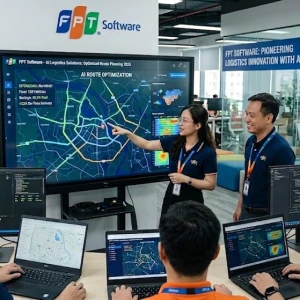
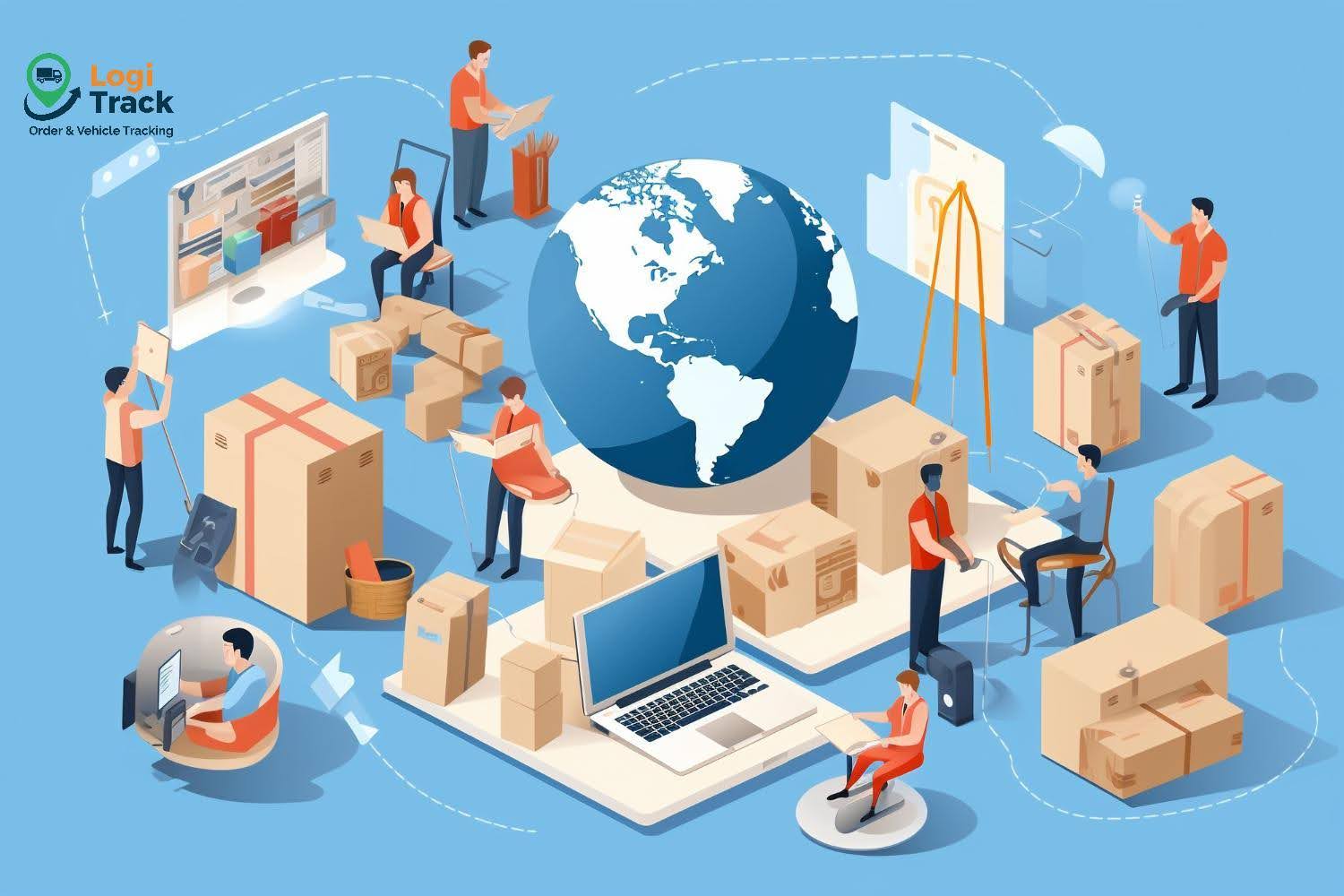 Freight transportation management software helps monitor routes and shipment status.
Order Management and Dispatching Function
This function enables businesses to import orders from various sources such as websites, CRM systems, e-commerce platforms, or manual entry. The software then automatically assigns orders to suitable vehicles and drivers based on routes, load capacity, and existing schedules. This reduces errors, accelerates processing speed, and ensures maximum transportation efficiency.
Route Planning and Optimization Function
One of the most powerful functions of freight transportation management software is automatic delivery route optimization. The software’s algorithms calculate the shortest routes, avoid traffic congestion, minimize fuel consumption, and arrange delivery sequences efficiently. This significantly reduces fuel expenses and travel time.
Route Monitoring and Shipment Status Tracking Function
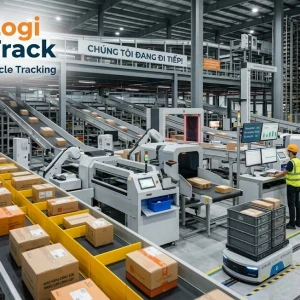
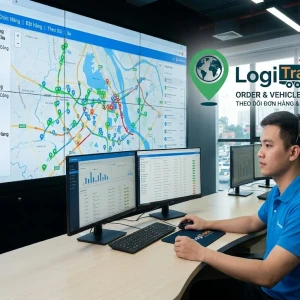
Integrated GPS and IoT technologies allow businesses to monitor vehicle locations, driving speeds, stop durations, and delivery progress on a digital map. Customers can also instantly track shipments using their tracking numbers. This transparency enhances credibility and improves customer experience.
Vehicle and Driver Management Function
All vehicle information, such as license plate numbers, load capacity, maintenance schedules, and driver details, is centrally stored and managed. The system also automatically sends maintenance reminders, helping ensure safety, reduce legal risks, and extend vehicle lifespan.
Cost Management and Performance Reporting Function
Freight transportation management software helps monitor fuel costs, toll fees, maintenance expenses, and other transportation-related costs. Businesses can evaluate operational performance by route, vehicle, or shipment. Reports are presented in clear chart formats, allowing management to make informed and timely adjustments.
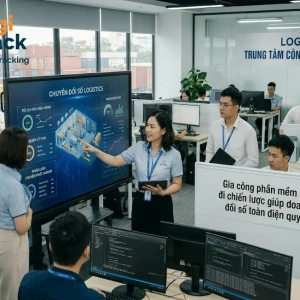
In today’s digital era, implementing freight transportation management software provides substantial support for businesses. A comprehensive transportation management solution helps companies digitize processes, reduce errors, and increase profitability.
Don’t let your company’s transportation operations remain dependent on costly manual processes. Choose Logitrack—the solution that helps businesses save time, reduce costs, improve delivery efficiency, and manage freight transportation more effectively.