For small and medium-sized enterprises (SMEs), managing logistics is no small challenge. That is why logistics software has become a solution that many businesses are paying close attention to today.
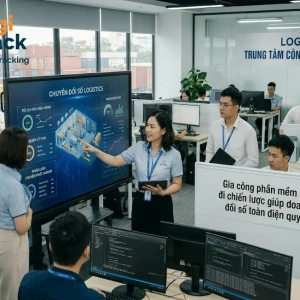
In the era of digital transformation, supply chain management is becoming increasingly important. However, for SMEs, managing logistics remains a significant challenge. As a result, logistics software has emerged as a solution that many businesses are considering. But is logistics software truly necessary for small and medium-sized businesses? Let's explore the answer below.
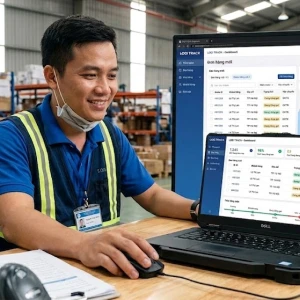
 Logistics software is a powerful tool that supports businesses of all sizes today.
Risks of Not Using Logistics Software
Today, most SMEs still manage their logistics operations manually through Excel spreadsheets, emails, or paper-based records. While this approach may reduce initial costs, it comes with many risks, including:
- Lack of synchronization: Shipment data, inventory records, and transportation partner information are not updated in real time.
- Operational errors: Employees can easily make data-entry mistakes, resulting in incorrect deliveries or lost orders.
- Difficulty scaling operations: As order volumes increase, manual management methods become overwhelmed.
- Limited reporting capabilities: Without a centralized data system, managers struggle to accurately evaluate operational performance.
As a result, demand for logistics software—especially free or low-cost logistics software solutions—has increased significantly. These solutions enable SMEs to gradually adopt digital transformation without requiring major investments.
Why Are Small Businesses Still Hesitant to Implement Logistics Software?
 Many SMEs remain hesitant about implementing logistics software.
Although modern logistics software offers significant benefits, many SMEs are still reluctant to integrate it into their operations. The main reasons include:
- Investment and maintenance costs: Many businesses worry that logistics software requires a substantial budget for infrastructure and employee training.
- Limited technological expertise: Some businesses lack management teams or employees who are comfortable using advanced software systems.
- Difficulty selecting the right solution: The market offers numerous free trials and logistics software solutions from various providers, making it difficult to determine the best fit.
However, delaying digital transformation can lead to a loss of competitive advantage. While competitors are using software to shorten processes, reduce labor requirements, and improve accuracy, businesses that hesitate may quickly fall behind.
Benefits of Using Logistics Software for Small and Medium-Sized Businesses
 Using logistics software helps optimize operational processes.
Implementing either free or paid logistics software is not only a step toward digital transformation but also a long-term strategic investment that supports sustainable business growth. Key benefits include:
Logistics Software Helps Optimize Operational Processes
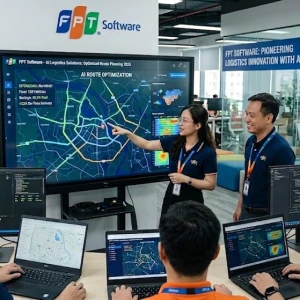
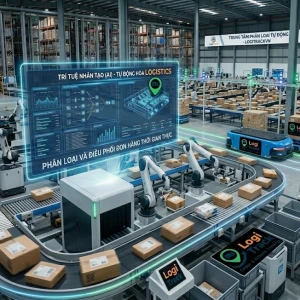
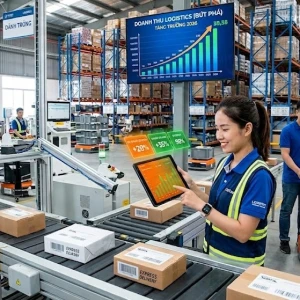
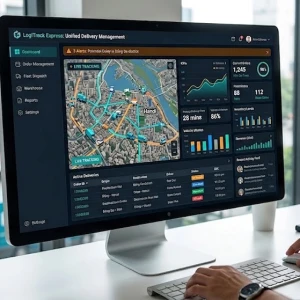
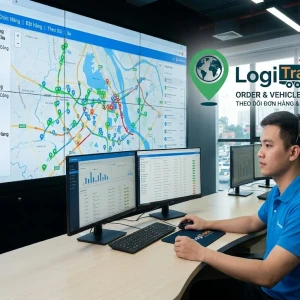
The software automates key activities such as delivery planning, route tracking, warehouse management, and order processing. As a result, businesses can reduce manual workloads and minimize operational errors.
Reduce Operating Costs with Logistics Software
By analyzing transportation data, logistics software helps optimize delivery routes, reduce fuel expenses, and shorten delivery times. At the same time, more accurate inventory management helps businesses avoid both overstocking and stock shortages.
Enhance Customer Experience with Logistics Software
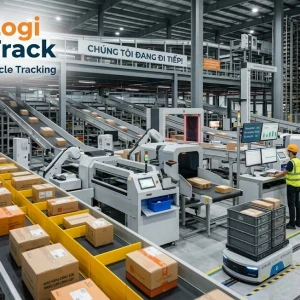
Logistics software provides real-time order tracking capabilities, allowing customers to easily monitor shipment status. This improves transparency and strengthens the company's brand reputation.
Easily Scale Operations with Logistics Software
As order volumes increase, SMEs do not necessarily need to hire additional staff. The software can automate a large portion of operational processes, and businesses can upgrade to more advanced packages as their requirements grow.
Start with Free Logistics Software
Today, many providers offer free logistics software with basic features such as order management, shipment tracking, and quick reporting. This allows businesses to test the solution before making a larger investment and determine how effectively it fits their operations.
Based on the information above, it is clear that implementing logistics software is essential for small and medium-sized businesses. By adopting logistics software, companies can optimize operations, reduce costs, improve efficiency, and strengthen their competitive position in the market.
Is your business still managing logistics manually, spending excessive time and resources on routine operations? Don’t let outdated processes slow your growth. Logitrack is the ideal solution to automate logistics management, optimize resources, and enhance the competitiveness of small and medium-sized businesses.