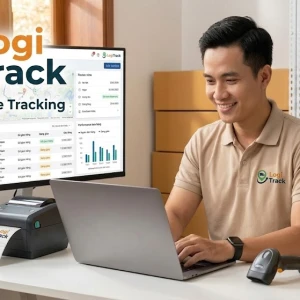
In the era of booming e-commerce, courier management software has become the backbone that enables businesses to maintain a seamless and efficient supply chain.
In the booming era of e-commerce, courier management software has become the backbone that helps businesses maintain a smooth supply chain. However, when faced with the challenge of cost optimization, many companies consider using free solutions. Are these “zero-cost” tools truly effective in the long run, or are they hidden traps filled with potential risks? Let’s explore the details in the article below.
Understanding Courier Management Software in Logistics Management
Courier management software is a technology solution designed to automate and optimize the entire shipping process, from order intake and parcel sorting to transportation and final delivery (last-mile delivery).
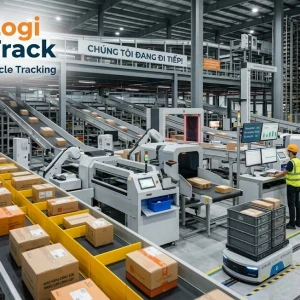
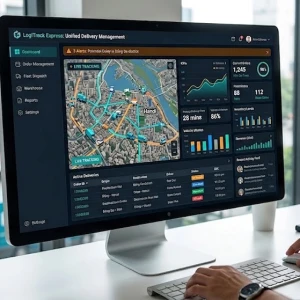
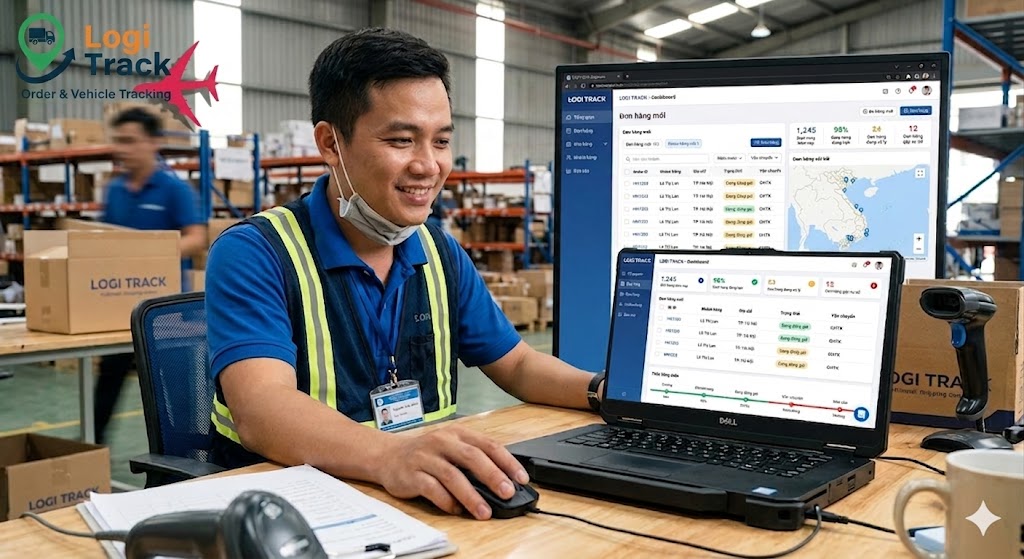 An intuitive interface enables employees to manage and control shipments with ease.
Instead of relying on Excel spreadsheets or manual records that can easily lead to errors, courier management software integrates modern features such as:
- Real-time shipment tracking.
- Automatic shipping fee calculation based on weight and delivery zones.
- Customer and carrier information management.
- Periodic revenue and accounts receivable reporting.
Advantages and Disadvantages of Free Courier Management Software
Free software solutions often attract small businesses and startups due to their low upfront cost. However, operational reality reveals both benefits and drawbacks.
- Advantages: A Starting Point for Small Businesses
Cost savings: The most obvious benefit is preserving capital for marketing, inventory, or other business activities.
Technology adoption: It helps employees become familiar with digital logistics management before upgrading to more advanced systems.
- Disadvantages: Hidden Risks and Limitations
Although labeled “free,” businesses often pay in other ways:
Limited functionality: Free versions usually restrict essential features such as API integration, advanced reporting, or multi-warehouse management.
Weaker security: Customer data and transportation routes are valuable assets. Free solutions often lack strong security commitments, increasing the risk of data breaches.
No technical support: When the system crashes or encounters server issues, businesses must resolve problems on their own, potentially causing delivery delays.
Key Criteria for Evaluating Courier Management Software
To determine whether software is truly effective—whether free or paid—businesses should evaluate it against four core criteria.
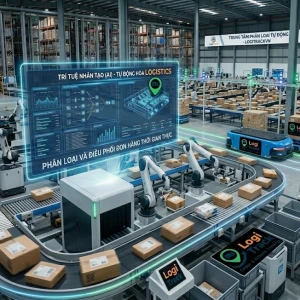
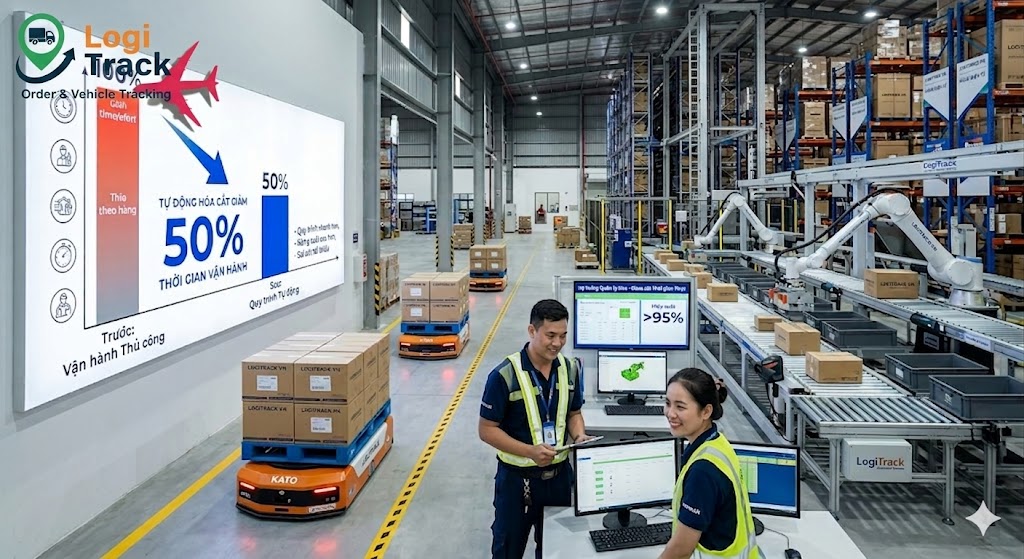 Automation can reduce up to 50% of manual operational work in warehouses.
- Data Synchronization Capabilities
A quality courier management software solution should seamlessly connect with e-commerce platforms such as Shopee, Lazada, and TikTok Shop, as well as major shipping providers. If employees still need to manually enter each order, the software is not truly efficient.
- Order Processing Speed
In logistics, speed is critical. Effective software should reduce order creation time from several minutes to just seconds.
- Financial Accuracy
Courier management software must provide transparent COD reconciliation and shipping fee calculations. Even a 1% discrepancy can result in significant financial losses over the course of a year.
- Scalability
When order volume grows from 100 shipments per day to 1,000 or more, many free solutions struggle with performance issues, affecting both operations and customer experience.
Why Businesses Should Invest in Professional Courier Management Software
Rather than relying on unstable free tools, investing in a professional platform such as Logitrack delivers substantial long-term benefits.
- Route Optimization and Transportation Cost Reduction
AI-powered algorithms can calculate the most efficient routes, reducing fuel consumption and delivery times. This can lower overall logistics costs by 15–20%.
- Improved Customer Experience
Modern customers expect visibility into their shipments. Automated SMS and email notifications increase transparency and strengthen brand trust.
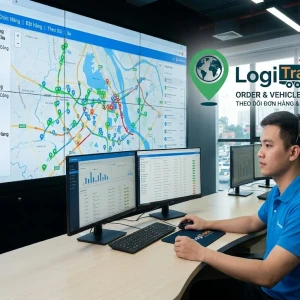
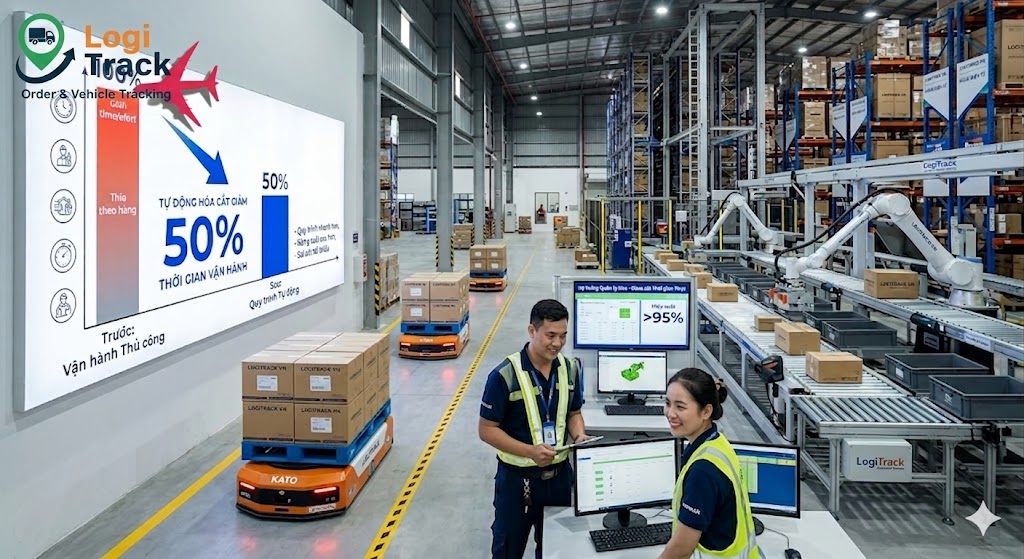 Customers and managers can track shipment locations anytime, anywhere.
- Centralized Data Management
Reports on employee performance, delivery success rates, and return rates are consolidated into easy-to-read dashboards. This enables business owners to make informed strategic decisions.
Comparison: Free Software vs. Professional Paid Software
|
Criteria
|
Free Software
|
Paid Software (SaaS/On-Premise)
|
|
Features
|
Basic and limited
|
Comprehensive and customizable
|
|
Security
|
Lower security, higher risk
|
Advanced encryption and protection
|
|
Integrations
|
Minimal or none
|
ERP, CRM, and API integrations
|
|
Support
|
Community-based self-help
|
Dedicated 24/7 technical support
|
|
Real Cost
|
Free upfront but costly to maintain
|
Fixed cost with higher ROI
|
Recommendations for Businesses Choosing Logistics Solutions
If you are a small shop handling fewer than 10 orders per day, free software—or even manual management—may be sufficient temporarily. However, for businesses aiming for sustainable growth, consider the following:
 The right technology partner plays a crucial role in long-term business success.
-Test professional solutions: Most providers offer free trials ranging from 7–14 days.
-Choose cloud-based platforms: Access data anytime and anywhere without complex installation requirements.
-Verify compatibility: Ensure the software integrates smoothly with your existing warehouse management and accounting systems.
Free courier management software can serve as a short-term solution, but it often lacks the capabilities needed to support long-term business growth. To optimize operations, minimize errors, and strengthen your brand reputation, investing in professional courier management software is both a smart and necessary decision.
If you are looking for the right solution for your logistics business, consider consulting industry experts who can help you build an effective digital transformation roadmap tailored to your needs.