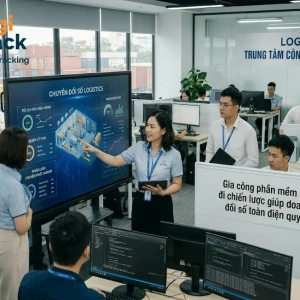
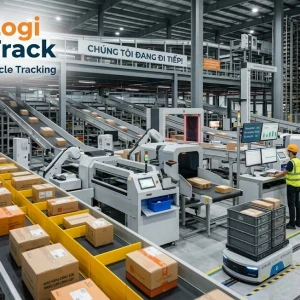
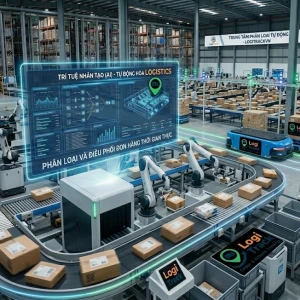
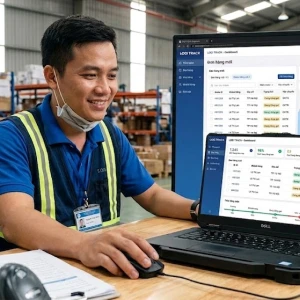
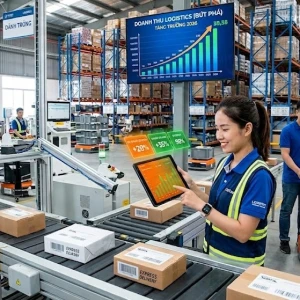
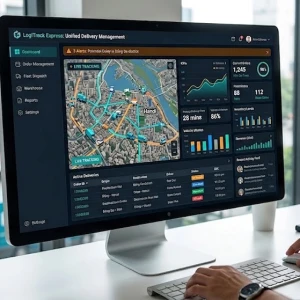
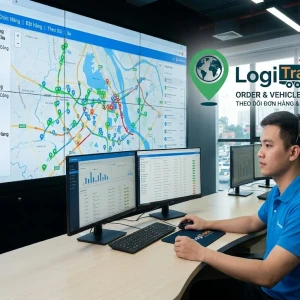
Today, logistics software is widely used by businesses to manage logistics operations. In addition to its built-in features, modern logistics software can also be integrated with ERP and CRM systems.
Today, logistics software is widely used by businesses to manage logistics operations. Beyond its core functionalities, modern logistics software can also be integrated with ERP and CRM systems. To understand how to integrate this software with ERP and CRM systems effectively, please refer to the information below.
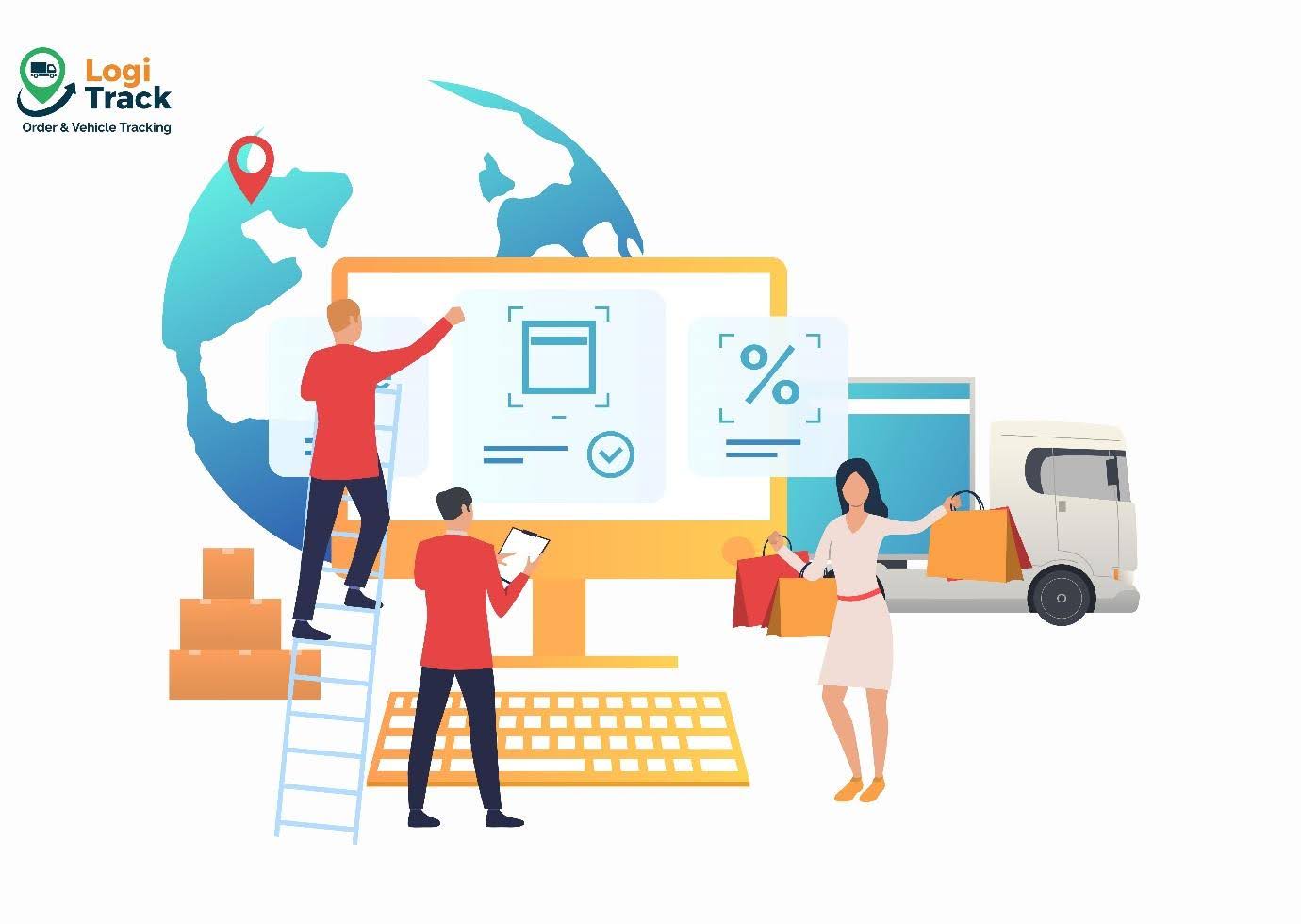 Integrating CRM and ERP with logistics software delivers numerous benefits.
Challenges Businesses Face When Logistics Software Is Not Integrated with ERP and CRM
In today's digital era, many businesses operate ERP systems, CRM platforms, and logistics software separately. This lack of integration prevents data synchronization and creates numerous challenges in order management, warehouse operations, and transportation management.
Departments such as sales, accounting, transportation, and customer service often work on different platforms. As a result, information sharing becomes fragmented and inconsistent.
Without integration between logistics software and management systems such as ERP and CRM, businesses are more likely to encounter data discrepancies, delayed order processing, and reduced operational efficiency, ultimately affecting customer experience.
Many small and medium-sized enterprises still rely on Excel spreadsheets or outdated software, making transportation and inventory tracking less accurate. This results in a less flexible supply chain, higher operating costs, and limited scalability.
Consequences of Not Integrating Logistics Software with ERP and CRM
Data Loss and Information Inconsistencies Without ERP and CRM Integration
One of the most common issues is duplicated or lost data across systems. For example, accounting staff may have to manually transfer transportation data into the ERP system, which is time-consuming and prone to errors. When this situation occurs frequently, businesses not only risk losing critical data but also face difficulties in controlling reports and performance metrics.
Reduced Operational Efficiency and Limited Forecasting Capabilities
The lack of integration between logistics software and ERP or CRM systems causes the supply chain to operate in silos. Businesses cannot accurately forecast product demand, optimize transportation routes, or effectively plan inventory levels.
Without unified data across ERP, CRM, and logistics software, departments must communicate manually, leading to delays in customer responses and order processing. This is one of the main reasons many businesses are turning to free logistics software solutions that offer flexible ERP and CRM integration capabilities, allowing them to improve operational efficiency without significant upfront investment.
Solutions for Integrating Logistics Software with ERP and CRM
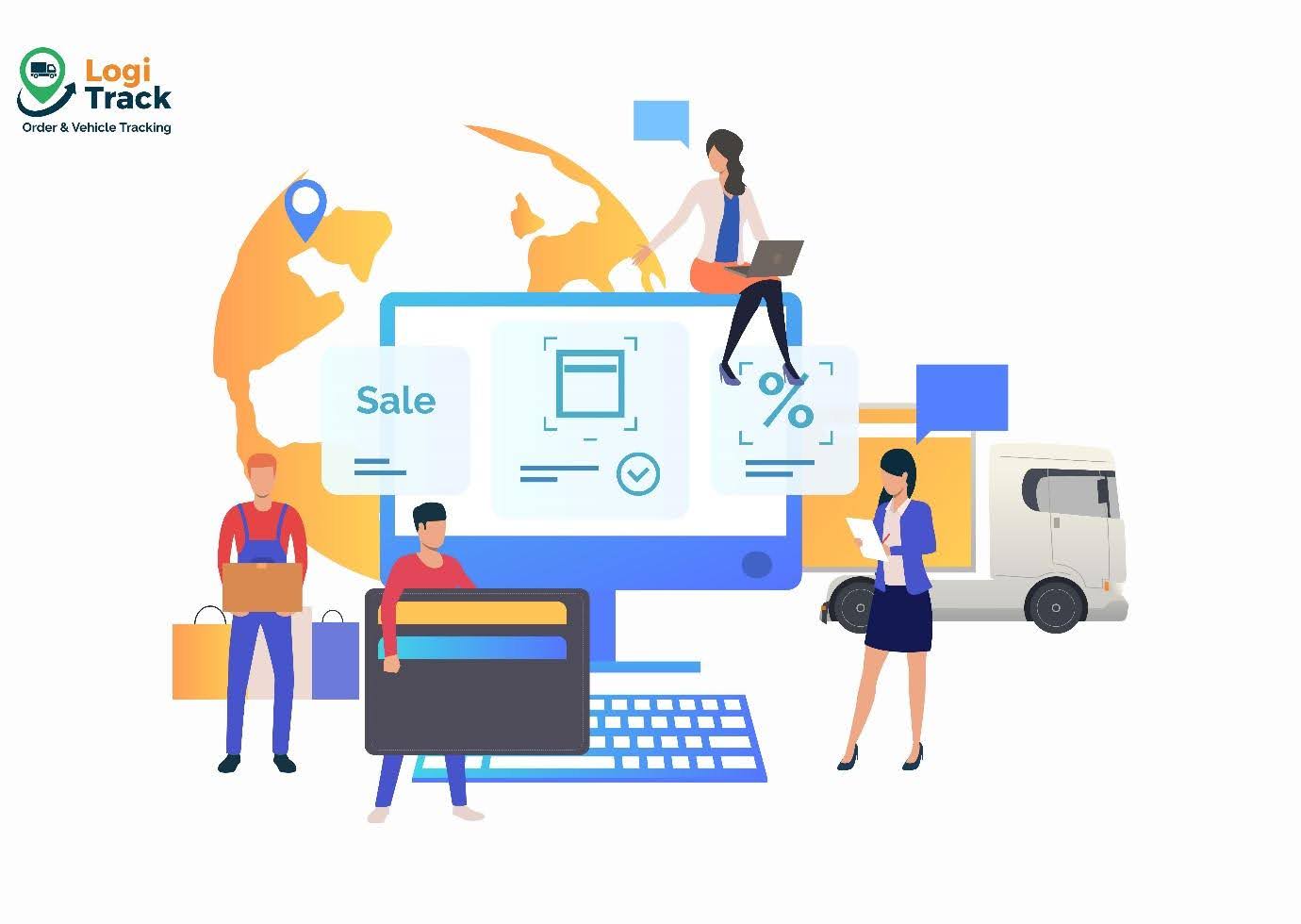 Integrating ERP and CRM with logistics software helps automate the entire supply chain process.
Logistics Software Integrated with ERP and CRM Automates the Entire Supply Chain
When logistics software is integrated with ERP, businesses can automate processes from order placement to delivery. Once an order is processed in the ERP system, it is automatically transferred to the logistics platform for transportation planning, resource allocation, vehicle assignment, and status updates.
This reduces manual processing time while ensuring accuracy throughout every stage of operations. Small businesses can begin with free logistics software solutions to familiarize themselves with automation before scaling to more advanced systems.
Logistics Software Integrated with ERP and CRM Improves Transparency and Forecasting
By connecting data in real time, managers can monitor order status, inventory levels, transportation costs, and revenue through a single platform. The ERP system consolidates data from the logistics software, analyzes consumption trends and transportation expenses, and recommends optimization strategies.
Meanwhile, the CRM system captures customer feedback regarding delivery speed and service quality. When these three systems work together seamlessly, businesses can make faster and more accurate decisions, anticipate market demand, and manage their supply chains more effectively.
Logistics Software Integrated with ERP and CRM Reduces Costs and Increases Profitability
One of the most noticeable advantages of integrating logistics software with ERP and CRM systems is reduced operating costs. Businesses no longer need large teams dedicated to manual data entry or time-consuming cross-checking processes.
Data synchronization minimizes errors, reduces inventory levels, and optimizes transportation routes. For small businesses, using free logistics software integrated with CRM can be a smart starting point, allowing them to experience comprehensive management capabilities without making a major initial investment.
Guidelines for Effectively Integrating Logistics Software with ERP and CRM
 Implement integration in phases to ensure system stability.
Identify the Core System and Integration Goals
Before beginning the integration process, businesses should determine whether ERP or CRM will serve as the central system. This decision will help define the most suitable integration approach.
If the primary focus is internal operations management, integrating ERP with logistics software should be prioritized. If customer experience is the main objective, connecting logistics software with CRM should take precedence.
Choose a Scalable Logistics Software Platform
Businesses should select logistics software that supports open APIs and can easily connect with other systems. Some providers offer free logistics software versions that allow businesses to test integration capabilities before making a long-term investment.
Implement Integration in Phases to Maintain Stability
Businesses should avoid integrating all systems simultaneously. Instead, start with smaller logistics modules such as order tracking or warehouse management and gradually expand to other modules.
This phased approach helps control risks, minimize technical issues, and make it easier to refine processes based on operational requirements.
Integrating logistics software with ERP and CRM systems is a strategic move that helps businesses modernize their supply chains, automate processes, and enhance customer experiences.
Is your business struggling with disconnected ERP, CRM, and logistics systems? Choose Logitrack logistics software today—the solution that unifies your entire operation, optimizes workflows, and creates a powerful competitive advantage for your business.