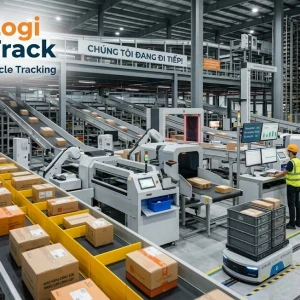
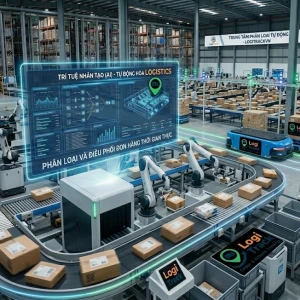
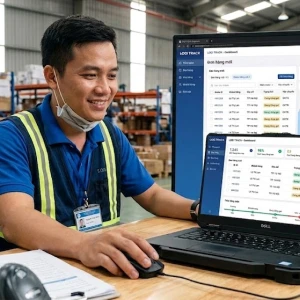
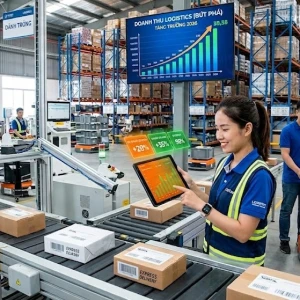
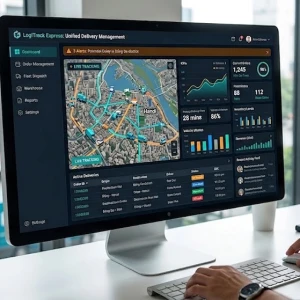
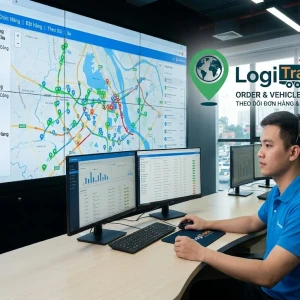
 AI, IoT, and Big Data are revolutionizing the operation of modern logistics software.
Logistics Software in the Digital Era
Artificial Intelligence (AI): The Intelligent Brain of Modern Logistics Software
 AI enables advanced analysis and forecasting capabilities within logistics software.
AI Predicts Demand and Optimizes Transportation Routes
-
Predict product demand based on seasons, geographic regions, and consumer trends.
-
Recommend optimal transportation routes based on traffic conditions, weather forecasts, and fuel costs.
-
Reduce late deliveries and improve on-time performance.
AI in Warehouse Management and Automated Robotics
AI also supports logistics software in smart warehouse management. Through cameras and sensors, the system can identify the location of goods, monitor inventory levels, and automatically recommend replenishment when stock runs low. AI-powered robots can also assist in moving goods within the warehouse, optimizing storage layouts and travel paths, and updating data directly to the central software system in real time.
IoT: The Real-Time Data Connection in Logistics Software
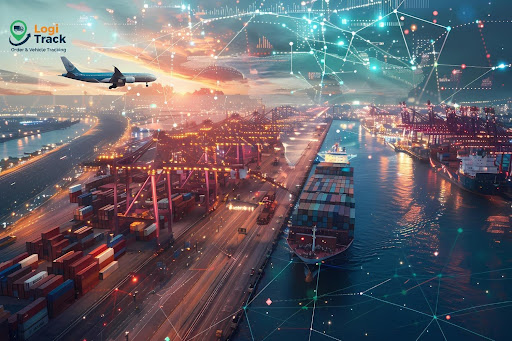 IoT enables real-time operational data connectivity across logistics systems.
IoT for Transportation Monitoring and Vehicle Condition Tracking
-
Provide real-time GPS tracking.
-
Monitor temperature and humidity levels to protect sensitive cargo.
-
Trigger alerts when delays, equipment failures, or unauthorized container access occur.
IoT and Warehouse Automation in Logistics Software
Thanks to IoT technology, logistics software can synchronize data from barcode scanners, RFID tags, and smart scanning devices throughout the warehouse. When an order is packed, the system can automatically update its status, generate invoices, and send notifications directly to customers.
For businesses that do not yet have sufficient resources to invest in large-scale IoT infrastructure, they can start by using free logistics software integrated with sensor and GPS capabilities. This allows them to gradually digitize operations and improve visibility across the supply chain without requiring significant upfront investment.
Big Data: The Strategic Decision-Making Foundation of Logistics Software
Operational Data Analysis for Logistics Software
-
Identify consumption trends across different regions.
-
Optimize inventory levels based on demand patterns.
-
Analyze driver performance, vehicle idle times, and route efficiency.
-
Predict potential supply chain risks and disruptions.
Personalized Customer Experiences Through Big Data
-
Predict preferred delivery times.
-
Recommend suitable delivery windows.
-
Send automated notifications when shipment statuses change.
The Power of Combining AI, IoT, and Big Data in Logistics Software
-
AI analyzes information and recommends optimal actions.
-
IoT continuously collects real-time operational data.
-
Big Data stores, processes, and transforms data into actionable insights.
As a result, logistics companies can reduce operational costs, improve reliability, and enhance the overall customer experience.
AI, IoT, and Big Data are transforming the way logistics software operates. Businesses are moving away from manual management methods toward intelligent, automated, and predictive systems. By combining these three technologies, organizations can optimize costs, improve operational efficiency, and increase customer satisfaction.
Is your business looking for a logistics software solution to manage transportation, warehousing, and order fulfillment? Choose Logitrack an advanced platform designed to automate the entire logistics process. Powered by AI, IoT, and Big Data, Logitrack helps businesses significantly reduce operational costs while maximizing productivity and performance.