The adoption of courier management software has become an essential step for logistics businesses seeking to optimize operations from order intake to final delivery.
In the era of booming e-commerce, speed and accuracy are the “golden keys” to survival in the logistics industry. Customers are no longer willing to tolerate uncertainty regarding delivery times. As a result, implementing courier management software has become a necessity for businesses looking to streamline operations and improve service quality.
What Is Courier Management Software?
Courier management software is a specialized technology solution designed to manage, coordinate, and monitor the entire delivery process. Unlike manual management methods using spreadsheets or paper records, this software integrates automation features such as order creation, warehouse management, courier tracking, and COD reconciliation.
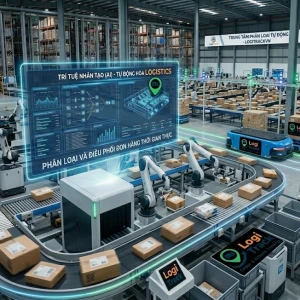
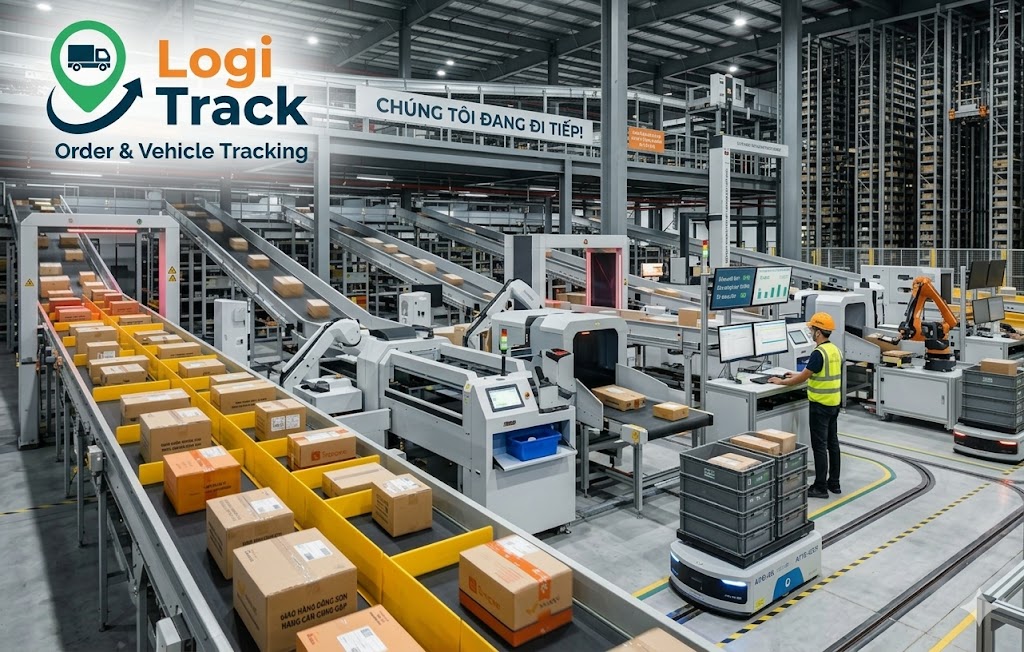 Automation systems reduce manual workloads and significantly accelerate order processing within warehouses.
Implementing courier management software enables businesses to digitize operational data, minimize human errors, and create a seamless and transparent logistics ecosystem.
Breakthrough Benefits of Using Courier Management Software
- Faster Order Processing
Instead of manually entering orders one by one, courier management software allows customers to create bulk shipments through APIs or file imports. The system automatically categorizes shipments by region and assigns delivery personnel based on service areas, reducing order processing time by up to 50%.
- Real-Time Shipment Tracking
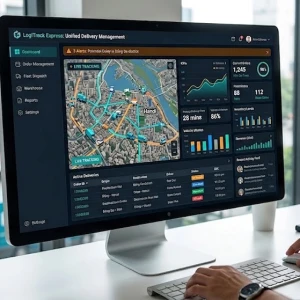
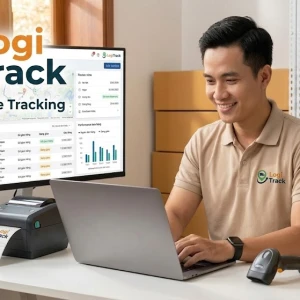
One of the most valuable features for improving customer experience is real-time tracking. Both senders and recipients can monitor the exact location of a shipment through a tracking number. This transparency increases customer confidence while reducing the workload on customer service teams, who no longer need to answer constant inquiries about shipment status.
- Efficient Courier and Fleet Management
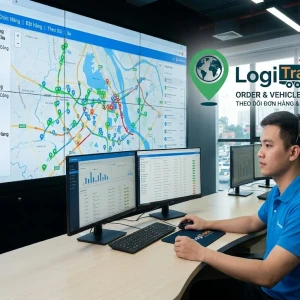
With integrated GPS tracking, managers can monitor the routes and activities of every delivery driver. The software recommends the most efficient routes, avoids traffic congestion, reduces fuel consumption, and helps ensure on-time deliveries.
Essential Features of Professional Courier Management Software
When selecting a solution, businesses should prioritize platforms that include the following capabilities:
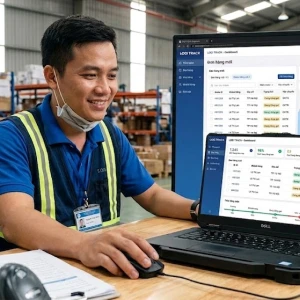
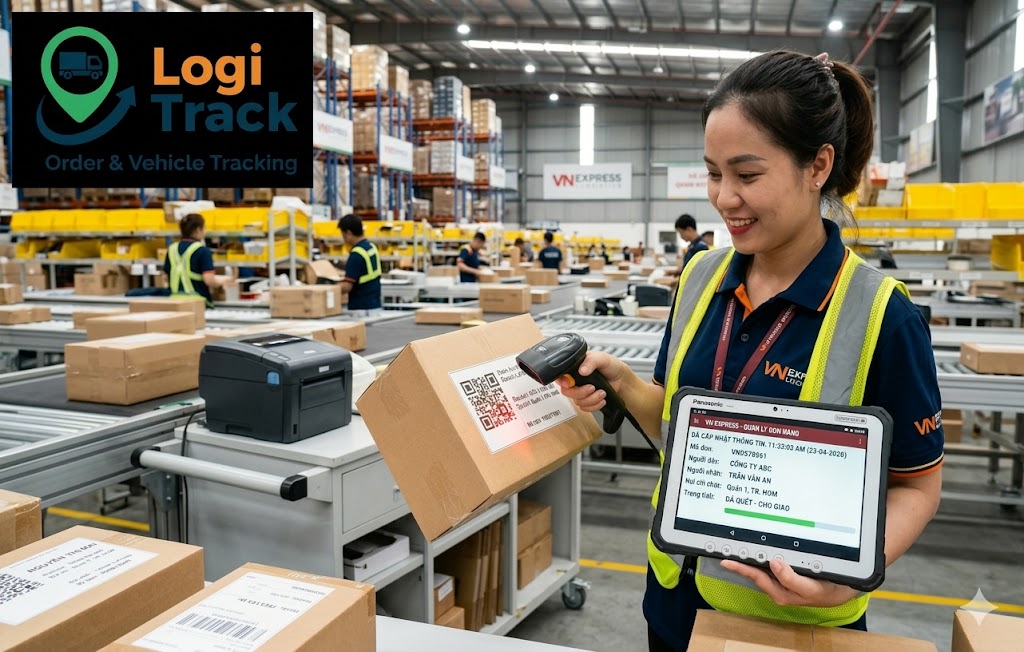 Barcode and QR code scanning allow shipment information to be updated within seconds across the entire courier management system.
- Courier App: A simple mobile interface that enables couriers to update delivery statuses, capture proof-of-delivery photos, and collect electronic signatures (e-POD).
- QR Code/Barcode Scanning: Synchronizes shipment data with the system instantly, minimizing data discrepancies during warehouse sorting and handling.
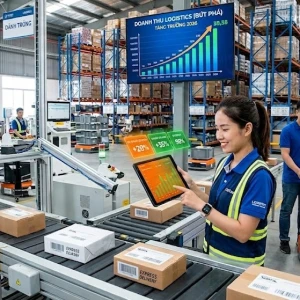
- Intelligent Reporting System: Provides real-time dashboards and reports on delivery performance, return rates, and revenue, enabling businesses to monitor operations and make data-driven decisions effectively.
How Courier Management Software Enhances Customer Experience
Customer experience in logistics extends far beyond the delivery itself. It encompasses every interaction throughout the shipping journey.
- Automated Notifications: The system automatically sends SMS or Zalo notifications when shipments enter the delivery stage.
- Service Quality Feedback: Customers can rate delivery services and provide feedback regarding courier performance directly through the platform.
- Faster Complaint Resolution: All delivery evidence—including photos, tracking history, and shipment records—is stored within the system, making dispute resolution faster and more transparent.
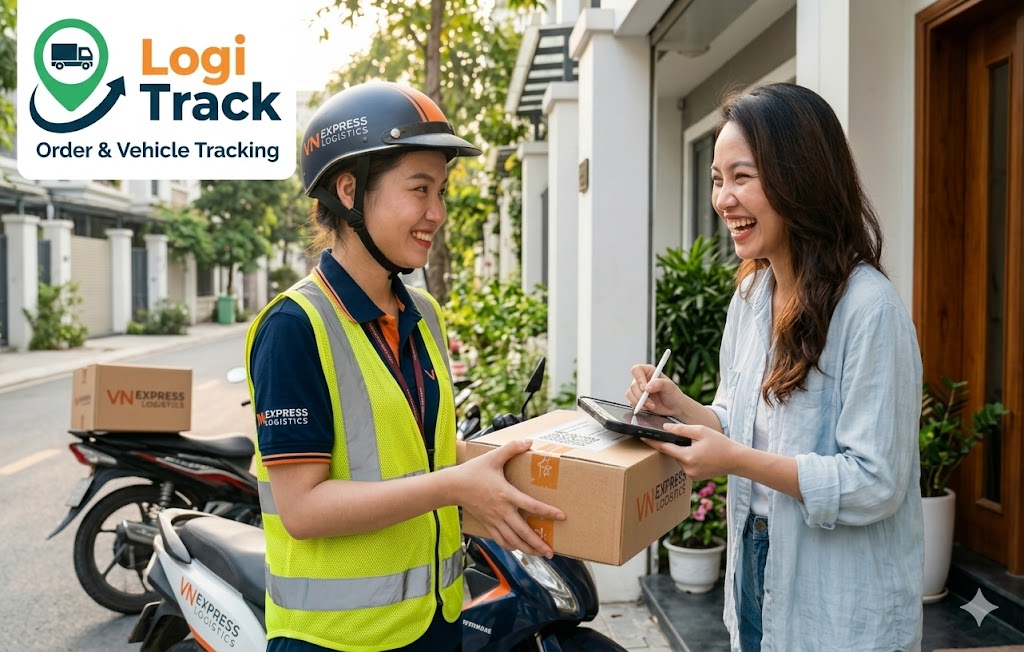 Customer satisfaction increases significantly when services are delivered professionally, transparently, and efficiently.
Technology Trends in Courier Management Software for 2026
By 2026, the courier industry will be driven not only by physical transportation but also by advances in artificial intelligence and data analytics.
- AI Route Optimization: Advanced algorithms analyze real-time traffic conditions and delivery constraints to generate the most efficient routes possible.
- Big Data for Demand Forecasting: Businesses can predict peak periods such as holidays and shopping festivals, allowing better allocation of staff and transportation resources.
- Automated Warehouse Operations: Modern courier management software increasingly integrates with automated sorting systems capable of processing tens of thousands of shipments per hour.
 The future of logistics depends on mastering artificial intelligence and big data technologies.
Investing in courier management software is no longer a luxury—it is a direct investment in operational efficiency and business growth. The right solution helps reduce operating costs, improve workforce productivity, and build long-term customer trust.
In an increasingly competitive market, businesses that embrace technology will lead the industry. If you are looking for a way to accelerate delivery performance and improve customer satisfaction, now is the time to begin digitizing your logistics operations with the right courier management software solution.