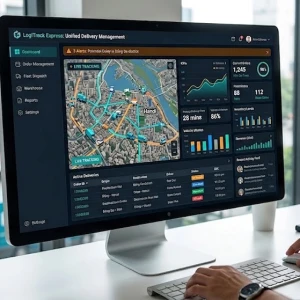
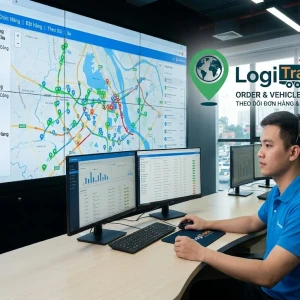
One of the solutions that many businesses are choosing today is investing in logistics transportation management software. However, is this investment truly worth the cost?
As transportation costs continue to rise, customers demand faster delivery speeds and higher accuracy. Logistics businesses are therefore compelled to optimize their entire operational process. One of the solutions increasingly adopted by companies today is investing in logistics transportation management software. But is this investment really worth it? The following article will help businesses clearly analyze the costs and benefits of implementing this software in their logistics operations.
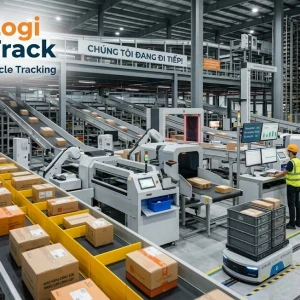
 Investing in logistics transportation management software offers reasonable costs and numerous benefits
Overview of Logistics Transportation Management Software
Logistics transportation management software is a technology system that helps businesses monitor, coordinate, and optimize all transportation activities, from planning, vehicle and driver management, to real-time order tracking.
This solution is often integrated with modern technologies such as IoT, digital maps, and artificial intelligence, helping automate processes and improve management accuracy.
In addition, logistics transportation management software is an essential component of the supply chain, helping businesses optimize vehicle utilization, reduce fuel costs, increase delivery efficiency, and enhance customer experience.
Costs of Investing in Logistics Transportation Management Software
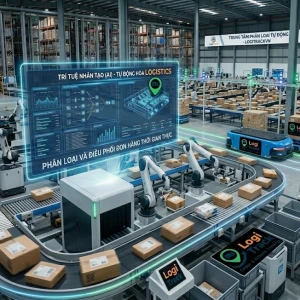
 Logistics transportation management software comes with highly reasonable costs
Investing in logistics transportation management software requires careful consideration, especially regarding costs. Below are the most common expenses:
-
Initial implementation costs: Including software purchase/subscription costs, customization and integration with ERP, CRM, and WMS systems, as well as infrastructure expenses such as GPS devices, IoT equipment, or on-premise servers.
-
Training and process transformation costs: Operational teams need training to effectively use the logistics transportation management software. During the initial phase, businesses may incur expenses related to training, technical support, and process transition time.
-
Maintenance and upgrade costs: Including software maintenance, updates, and ongoing technical support. However, many providers now bundle these expenses into comprehensive service packages, helping businesses achieve significant savings.
Benefits of Investing in Logistics Transportation Management Software
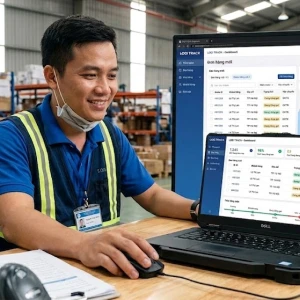
 Logistics transportation management software delivers many practical benefits for businesses
Although the initial investment may be considerable, the long-term benefits of logistics transportation management software are substantial and provide sustainable value for businesses.
Optimizing Operating Costs with Logistics Transportation Management Software
The software helps reduce costs through automation and route optimization:
-
Reduced fuel costs: Algorithms automatically select the shortest and most cost-effective routes.
-
Reduced labor costs: Automates processes such as planning, order tracking, and document handling.
-
Reduced maintenance costs: Monitors vehicle conditions and provides maintenance reminders, helping minimize breakdown risks.
Improving Operational Efficiency with Logistics Transportation Management Software
Logistics transportation management software enables businesses to:
-
Monitor the status of orders and vehicles in real time.
-
Receive early warnings about delayed deliveries or transportation incidents.
-
Recommend the most suitable routes, drivers, and vehicles for each order.
As a result, businesses save time, improve their ability to handle urgent orders, and enhance delivery accuracy.
In addition, investing in logistics transportation management software delivers a clear and measurable return on investment (ROI). Businesses can establish KPIs such as on-time delivery rates, fuel costs per shipment, average order processing time, and vehicle utilization rates.
These metrics can then be compared before and after implementation to calculate financial benefits. In many cases, savings from reduced fuel consumption, lower labor costs, and fewer delivery errors are sufficient to achieve a full return on investment within 6–18 months, depending on company size and implementation methods.
Enhancing Customer Experience with Logistics Transportation Management Software
Customers can track their orders in real time, receive delivery status notifications, and provide service feedback immediately after completion. This helps businesses build credibility, strengthen customer trust, and improve long-term retention—key factors in the highly competitive logistics industry.
Investing in logistics transportation management software is not only a technological advancement but also a sustainable growth strategy that helps businesses optimize costs, increase profitability, and strengthen competitiveness within the global supply chain. Although the initial investment may be significant, the long-term benefits in operational efficiency, corporate reputation, and management data make it a worthwhile investment.
If your business is looking for ways to reduce transportation costs and improve delivery performance, choose Logitrack. This software enables businesses to manage the entire transportation process on a single platform with reasonable costs and significant operational benefits.