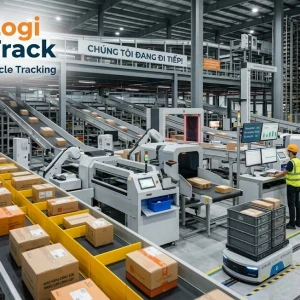
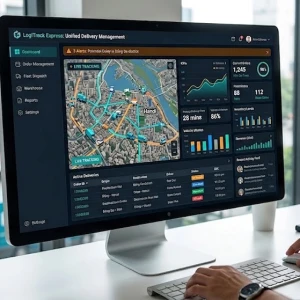
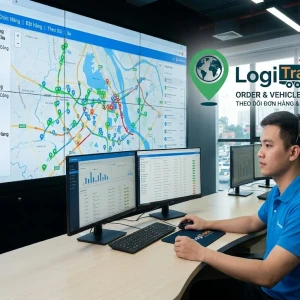
Logistics software provides modern tools that help businesses comprehensively manage transportation and warehousing operations with greater accuracy, speed, and cost efficiency.
Today, many businesses struggle with logistics processes due to rising costs, operational errors, and overloaded staff. Logistics software offers a modern solution that enables companies to manage transportation and warehouse operations comprehensively, accurately, quickly, and efficiently. To better understand what logistics software is, its benefits, costs, and the most popular solutions available today, please refer to the information below.
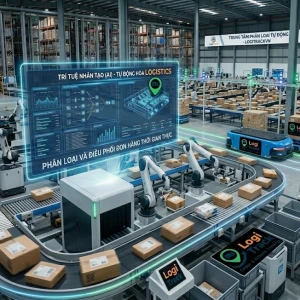
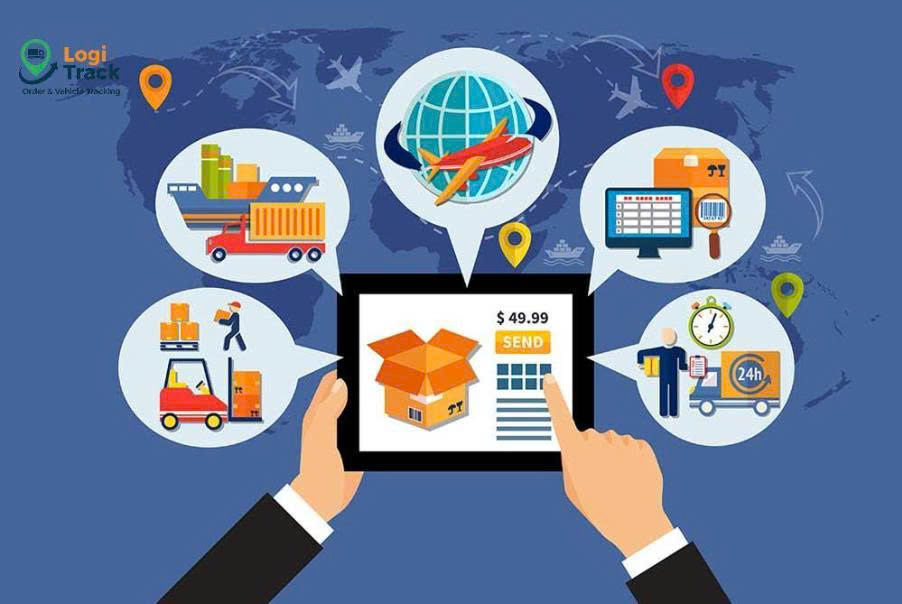 Logistics software provides effective management solutions for businesses.
Understanding Logistics Software in the Modern Supply Chain
In today’s business environment, transportation and delivery services are developing rapidly. Warehouse management, shipment processing, and supply chain operations are becoming increasingly complex. As a result, logistics software has emerged as an essential tool that helps businesses control their entire operational process, from receiving goods and warehouse storage to order tracking and transportation management.
However, not everyone fully understands what logistics software is. It is a technology solution designed to manage and optimize the entire logistics process, including transportation, warehousing, distribution, order management, and delivery tracking.
Instead of relying on manual records or Excel spreadsheets, logistics software integrates data and provides real-time information, enabling businesses to monitor operations effectively and make informed decisions.
Some key features of logistics software include:
- Warehouse Management: Control inbound shipments, outbound shipments, and inventory levels in real time.
- Transportation Management: Optimize routes, monitor shipment status, and reduce transportation costs.
- Order Management: Automate order processing, reconciliation, and delivery tracking.
- Reporting and Data Analysis: Generate reports and analyze operational data to support decision-making.
With these capabilities, logistics software has become an indispensable tool not only for transportation and freight forwarding companies but also for e-commerce, manufacturing, and distribution businesses seeking better control of their goods and operations.
Benefits of Using Logistics Software
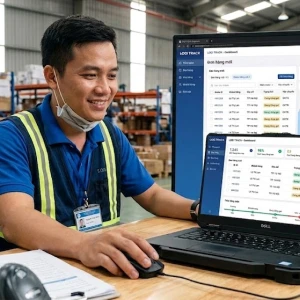
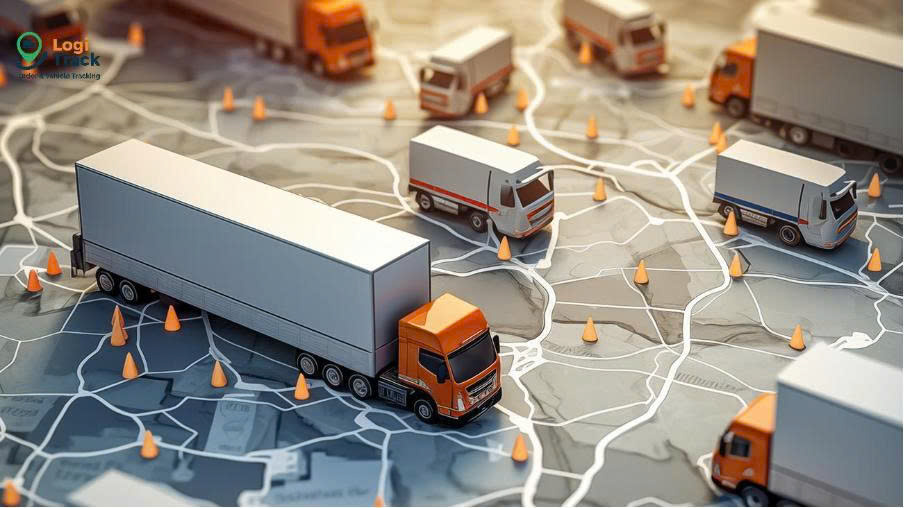 Using logistics software delivers numerous outstanding benefits.
In addition to questions such as what logistics software is and how much it costs, many businesses are also interested in the benefits it provides. Some of the most significant advantages include:
Reducing Operating Costs
Instead of hiring multiple employees to monitor orders, manage warehouses, and coordinate transportation activities, businesses can automate these tasks using logistics software. This reduces human error, lowers labor costs, and minimizes inventory losses.
Improving Management Efficiency
By providing real-time data and instant access to operational information, logistics software allows businesses to monitor activities more effectively. When issues arise, companies can respond more quickly and make better-informed decisions.
Flexible Scalability and Upgrades
Logistics software can easily scale and evolve according to business growth. Companies do not need to worry about increasingly complex management requirements as inventory volumes and order quantities continue to rise.
As a result, investing in logistics software not only simplifies operations but also provides a significant competitive advantage in today’s dynamic business environment.
How Much Does Logistics Software Cost? Factors That Influence Pricing
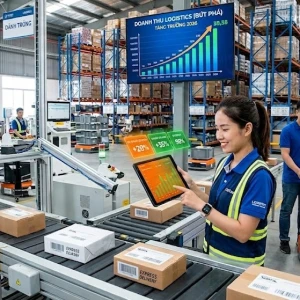
 The cost of logistics software depends on various factors.
One of the most common questions businesses ask is: “How much does logistics software cost?” In reality, software pricing depends on several factors, including:
- Business Scale: Small businesses typically require only basic features and therefore incur lower costs. Larger enterprises often need more advanced functionalities, resulting in higher software expenses.
- Software Features: Basic warehouse management functions generally cost less, while advanced multi-channel integration capabilities increase the overall price.
- Software Provider: Pricing varies depending on the software vendor and the services included.
Popular Logistics Software Solutions Available Today
Today, there are numerous logistics software solutions available on the market from both domestic and international providers. Each solution offers its own strengths, limitations, and pricing structure.
Among these options, Logitrack stands out as a modern management platform that seamlessly integrates OMS (Order Management System), TMS (Transportation Management System), and WMS (Warehouse Management System) into a single solution.
This software enables businesses to efficiently manage orders, optimize transportation operations, control warehouse activities, and track shipments in real time.
Logitrack delivers numerous benefits, including simplified order processing and management, ease of use, robust security and data protection, competitive pricing, and suitability for both small and medium-sized businesses.