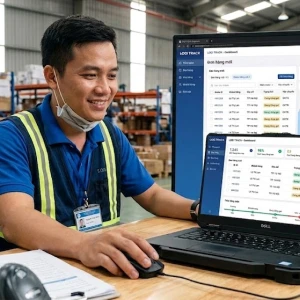
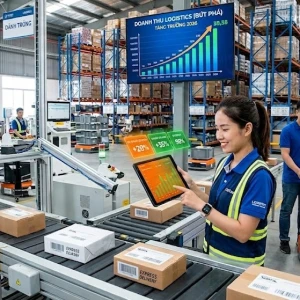
TMS software is a powerful tool that helps businesses optimize costs while contributing to carbon reduction throughout the supply chain.
Climate change and environmental pollution have become global challenges, forcing businesses to transform their operations toward greater sustainability. The logistics industry is one of the largest contributors to CO₂ emissions and is undergoing a significant transformation through the green logistics trend. Therefore, TMS software has emerged as an intelligent technology solution that enables businesses to optimize costs while minimizing environmental impact.
 TMS software provides a solution for reducing emissions and promoting environmental sustainability.
The Role of TMS Software in Green Logistics Transformation
TMS Software Reduces Emissions and Measures CO₂ Output
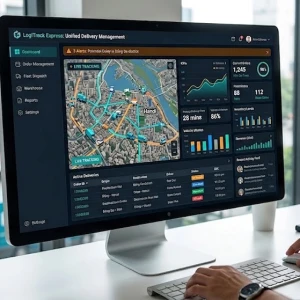
TMS software is a tool that supports businesses in planning, managing, and optimizing the entire freight transportation process—from order placement, vehicle dispatching, and route monitoring to operational performance evaluation.
Today, modern TMS transportation management software goes beyond basic management functions by integrating features that support emission reduction and environmental sustainability, such as fuel consumption forecasting, green route optimization, and CO₂ emission measurement.
TMS Software Optimizes Transportation Processes to Reduce Fuel Consumption
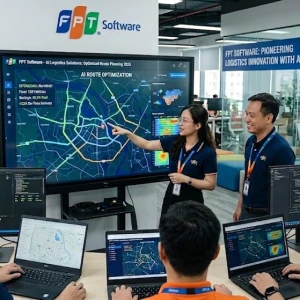
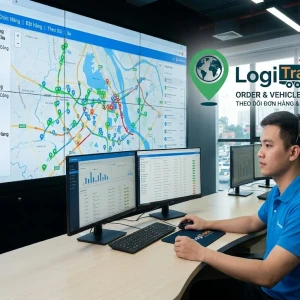
One of the major causes of transportation-related emissions is inefficient routing, including empty return trips, unnecessary detours, and excessive waiting times at delivery points. With TMS software, businesses can calculate the shortest and most cost-effective routes based on real-time traffic conditions, road conditions, and driver schedules.
TMS Software Manages Vehicle Loads and Reduces Empty Trips
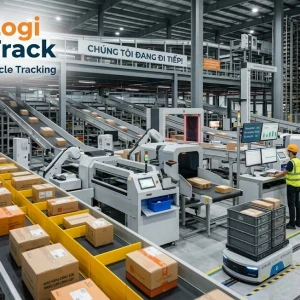
TMS transportation management software helps businesses balance vehicle loads and consolidate shipments effectively, preventing situations where vehicles operate under capacity or return empty. The system analyzes historical transportation data to recommend optimal schedules and route combinations, maximizing transportation capacity while maintaining delivery performance.
As a result, businesses not only save fuel costs but also significantly reduce the number of vehicles on the road, directly supporting green logistics emission-reduction goals.
TMS Transportation Management Software Automates and Digitizes Transportation Processes
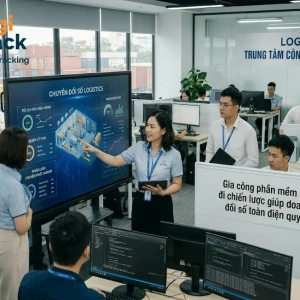
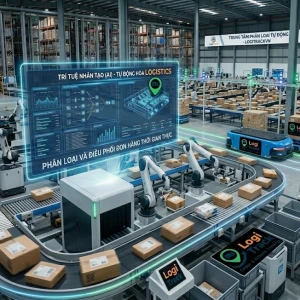
Instead of relying on paper-based documents and manual processes, TMS transportation management software enables businesses to transition to a technology-driven operating model without the complexity of traditional paperwork.
Features such as digital transport documents, automated reporting, and electronic signatures not only save time and labor but also significantly reduce paper waste, contributing to environmental protection. In addition, digitization improves transparency and traceability, meeting the requirements of logistics partners and stakeholders.
TMS Transportation Management Software for Emission Measurement and Reporting
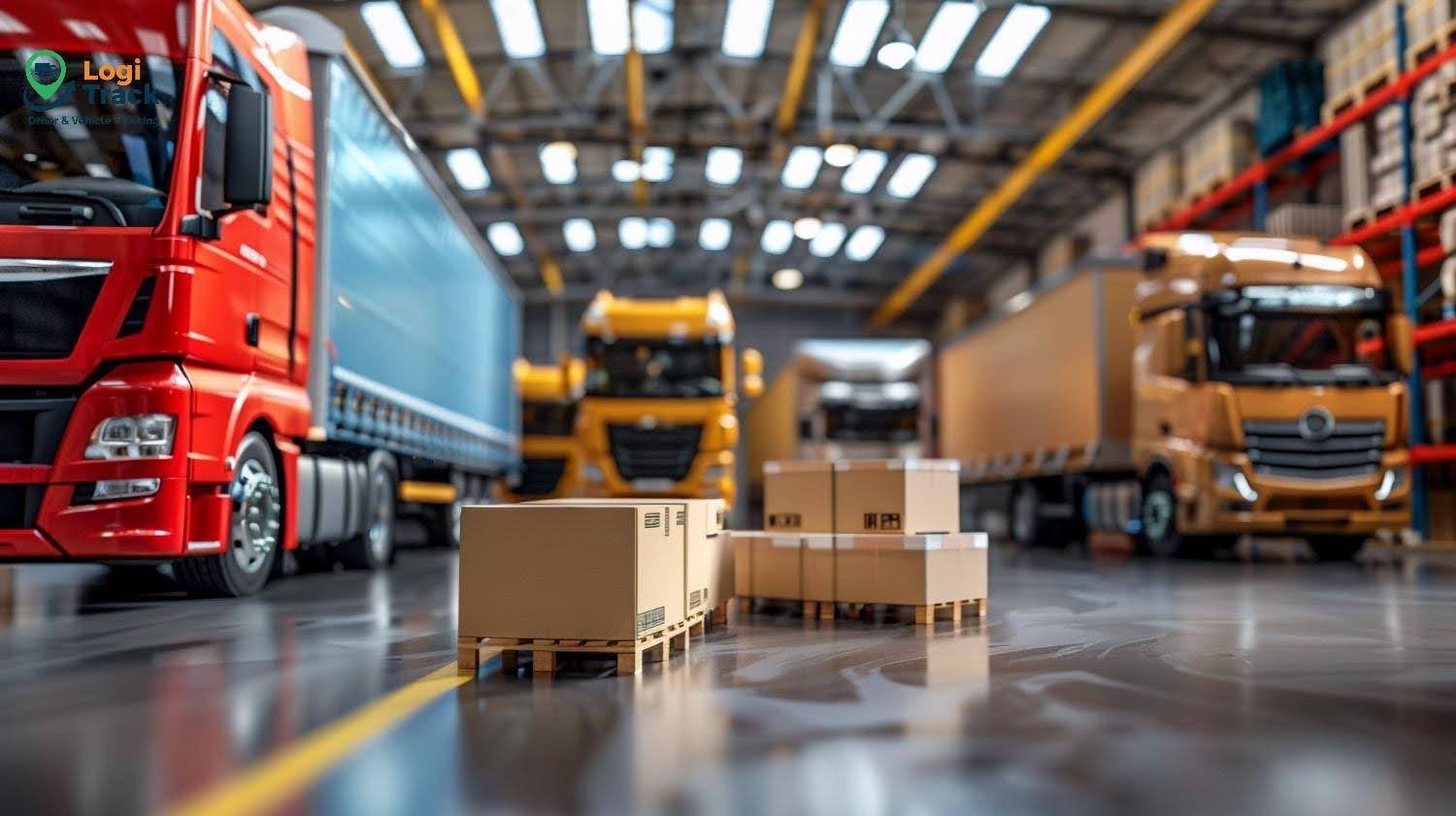 TMS transportation management software measures and reports emission levels.
One of the most significant advantages of TMS software is its ability to measure CO₂ emissions for each shipment or transportation route. The system automatically consolidates data from GPS devices, fuel sensors, and operational records to calculate emissions accurately, enabling businesses to:
-
Monitor emission trends over time.
• Set measurable emission-reduction targets.
• Prepare transparent ESG and sustainability reports for partners and stakeholders.
This capability allows businesses not only to maintain effective logistics operations but also to develop scientifically grounded green transportation strategies.
Economic and Brand Benefits of Applying TMS Software to Green Logistics
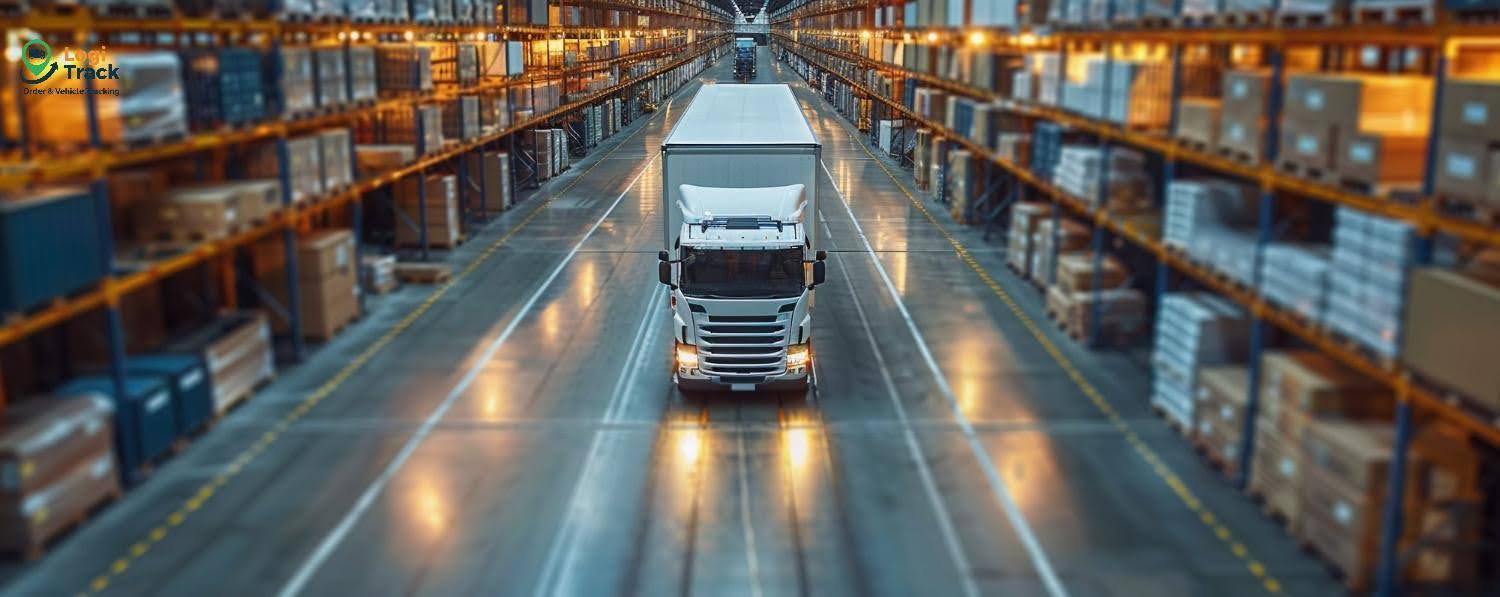 TMS software delivers economic benefits by reducing fuel costs.
Investing in TMS transportation management software is not only an environmentally responsible action but also delivers clear economic benefits, including:
-
Reduced fuel costs through optimized routes and load management.
• Lower dispatching time through fully automated systems.
• Enhanced brand reputation by demonstrating environmental and social responsibility.
• Increased opportunities for international partnerships, particularly with organizations that prioritize green supply chains.
As a result, green logistics is no longer simply an option but a key growth driver for businesses in the future.
The Future of TMS Software in a Sustainable Logistics Ecosystem
In the coming years, TMS software will become increasingly integrated with renewable energy solutions, electric vehicles, and carbon management systems, creating a comprehensive green logistics ecosystem.
Businesses that invest early in TMS transportation management software will gain a significant competitive advantage, enabling them not only to operate more efficiently but also to build a sustainable and environmentally responsible brand image.
The combination of TMS software and green logistics practices is the key to unlocking the future of sustainable transportation. By optimizing routes, reducing fuel consumption, managing emissions, and automating processes, businesses can reduce costs while protecting the environment, ultimately achieving sustainable and responsible growth.
Is your business looking for a transportation solution that reduces costs while supporting sustainability goals? Choose Logitrack to optimize routes, reduce fuel consumption, and accurately measure emissions. With advanced technology, this software is the ideal choice for businesses transitioning toward green logistics.