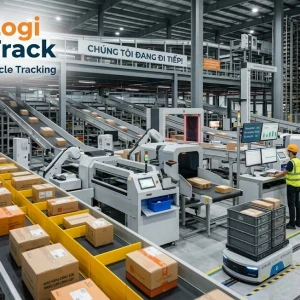
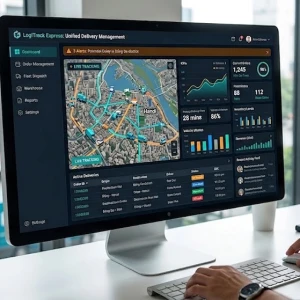
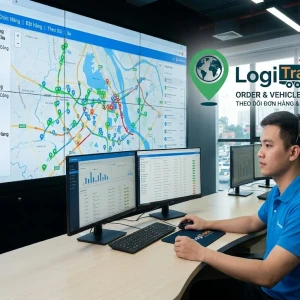
In today’s digital era, supply chain digital transformation has become essential for businesses seeking to maintain a competitive advantage. One of the most important tools supporting this transformation is logistics software.
As technology continues to reshape industries, supply chains must become more agile, transparent, and data-driven. Logistics software provides businesses with the ability to manage, monitor, and optimize every stage of logistics operations, helping organizations improve efficiency, reduce costs, and enhance customer satisfaction. To better understand the role of logistics software in supply chain digital transformation, let's explore the following information.
 Logistics software is an essential component of modern supply chain digital transformation.
When Supply Chains Face Bottlenecks in the Digital Age – Why Businesses Need Logistics Software
Digital transformation in supply chain management is no longer just a trend it has become a necessity for businesses operating in an increasingly competitive environment. Factors such as changing customer expectations, rising transportation costs, and growing demand for faster deliveries require companies to modernize their management systems.
This is where logistics software plays a critical role by helping businesses improve operational efficiency and adapt quickly to market changes. Implementing logistics software to automate business processes can deliver the following benefits:
-
Reduce errors in receiving and dispatching goods.
-
Optimize transportation routes and workforce allocation.
-
Improve demand forecasting accuracy.
-
Enhance customer experience.
Consequences of Not Implementing Logistics Software
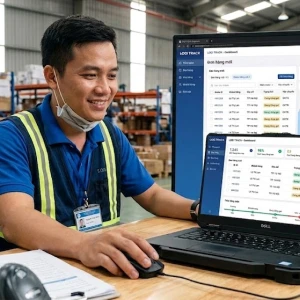
 Logistics software can integrate with multiple platforms for seamless management.
Failing to implement logistics software or choosing the wrong solution can result in several significant challenges.
Loss of Competitive Advantage Without Logistics Software
While competitors leverage logistics software to optimize routes, manage orders, and track shipments in real time, businesses relying on manual processes often face higher costs and longer delivery times. Ultimately, this can lead to customer dissatisfaction and lost business opportunities.
Increased Risk of Errors and Data Loss Without Logistics Software
Without a centralized system, information from warehouses, transportation operations, and sales channels can become fragmented or duplicated, making it difficult to control inventory levels, operational costs, and profitability.
Resource and Cost Inefficiencies Without Logistics Software
Businesses may need additional staff for data entry, report generation, and issue resolution. In contrast, affordable or free logistics software solutions can automate many of these tasks, significantly reducing operational overhead.
Missed Digital Transformation Opportunities Without Logistics Software
Without centralized data and modern management systems, businesses struggle to integrate advanced technologies such as AI, IoT, and Big Data key drivers of innovation across the logistics industry.
The Role of Logistics Software in Supply Chain Digital Transformation
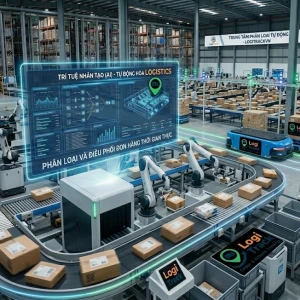
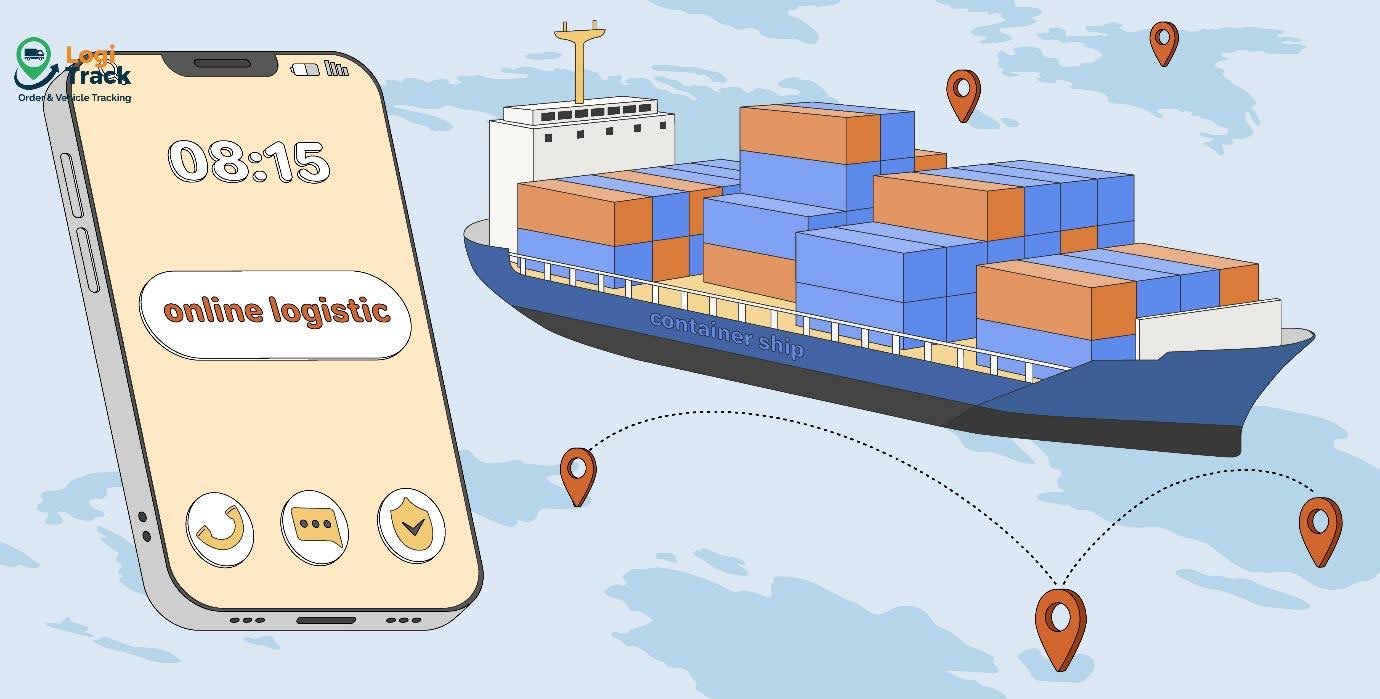 Logistics software automates the entire supply chain operation process.
Logistics Software Automates Operational Processes
One of the most significant benefits of logistics software is process automation. Instead of manually entering and updating information, businesses can automatically track transportation, warehousing, and delivery activities in real time.
As a result, companies can:
-
Reduce order processing times.
-
Minimize human errors.
-
Increase productivity while lowering operational costs.
This represents a crucial step in digital transformation, enabling businesses to eliminate inefficient manual tasks and maximize operational performance.
Logistics Software Connects and Synchronizes Supply Chain Data
In traditional supply chains, information is often scattered across departments such as warehousing, transportation, sales, and accounting. This fragmentation frequently causes delays and data inconsistencies.
With logistics software, all operational data is centralized and synchronized on a single platform. Departments can access relevant information based on permissions, improving transparency and cross-functional collaboration.
Some free logistics software solutions also provide API integration capabilities with e-commerce platforms and CRM systems, enabling automatic updates of customer and order data and accelerating business processes.
Free Logistics Software Helps Optimize Transportation Routes and Costs
Transportation expenses account for a substantial portion of total logistics costs. Therefore, optimizing transportation operations is a top priority for businesses undergoing supply chain digital transformation. Free logistics software often includes intelligent route planning and resource allocation features that help businesses:
-
Shorten travel distances.
-
Reduce fuel consumption.
-
Increase on-time delivery rates.
These improvements not only lower operational expenses but also significantly enhance service quality and customer satisfaction.
Data Analysis and Decision Support
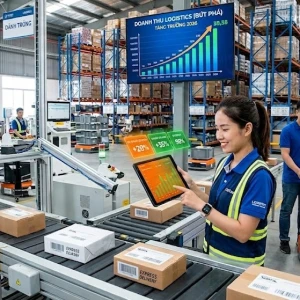
One of the greatest values offered by logistics software is its ability to collect, store, and analyze operational data. Automated reporting systems provide visibility into key performance indicators such as:
-
On-time delivery rates.
-
Average inventory levels.
-
Transportation costs by route.
With these insights, businesses can make informed decisions regarding inventory management, transportation planning, and overall supply chain strategy. In many ways, logistics software serves as the analytical engine behind the digital supply chain.
Digital Transformation Cannot Succeed Without Logistics Software
Before making a significant investment, many businesses prefer to test software solutions first especially small and medium-sized enterprises where budget considerations are critical.
For this reason, free logistics software can be an ideal starting point during the early stages of digital transformation. These solutions allow businesses to gain practical experience with digital logistics management before upgrading to premium platforms.
Key advantages of free logistics software include:
-
Lower initial investment costs.
-
Easier adoption of automated logistics management practices.
-
Scalability through future upgrades as the business grows.
-
Basic integration with online sales platforms.
Supply chain digital transformation cannot be fully realized without logistics software. It is the technology that enables businesses to automate, connect, analyze, and optimize logistics operations, ultimately increasing productivity, reducing costs, and enhancing customer experience.
Is your business struggling to manage warehouses, orders, and transportation operations efficiently? Choose Logitrack a leading logistics software solution that helps businesses automate their entire logistics workflow through a simple and intuitive platform.