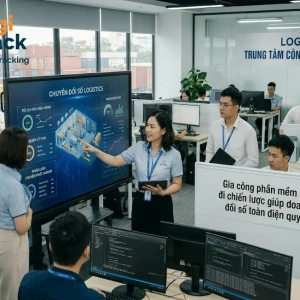
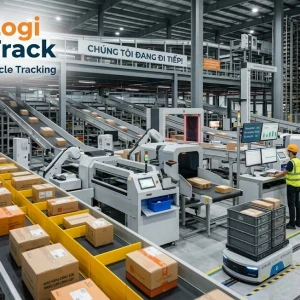
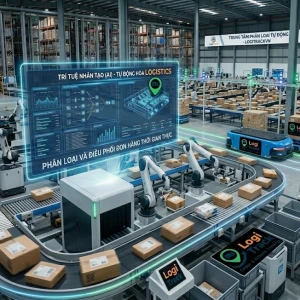
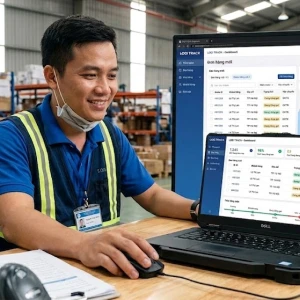
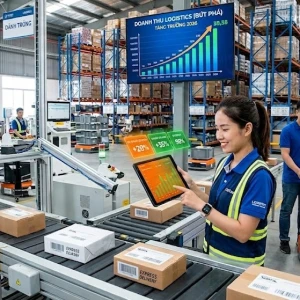
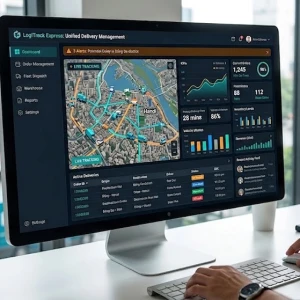
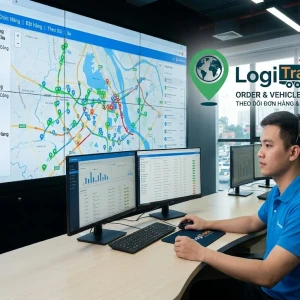
 Logistics software helps SMEs significantly reduce operational expenses and improve overall efficiency.
Why SMEs Should Pay Attention to Logistics Software
-
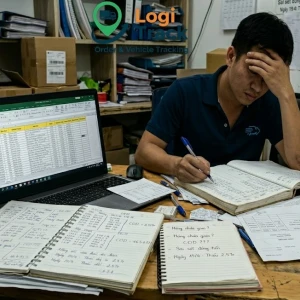
Optimize workforce utilization by reducing manual data entry, reconciliation, and reporting tasks.
-
Lower operational costs through route optimization, fuel savings, and faster deliveries.
-
Improve accuracy by minimizing errors in inventory receiving, storage, and dispatching.
-
Increase data transparency, making it easier to monitor employee performance, vehicle efficiency, and order status.
How Logistics Software Helps SMEs Reduce Operational Costs
 Logistics software helps reduce labor costs for SMEs.
Logistics Software Reduces Labor Costs and Processing Time
-
Record operational data in real time.
-
Send automated notifications to customers when order statuses change.
-
Update inventory levels and generate reports instantly.
Logistics Software Optimizes Transportation Routes
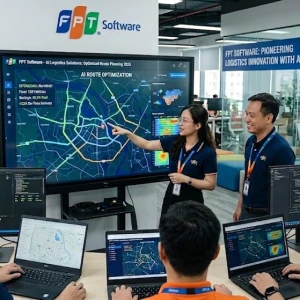
One of the largest cost components in logistics operations is fuel. Modern logistics software can analyze the shortest transportation routes, predict travel times, and optimize delivery schedules based on real-world conditions.
Free Logistics Software Improves Accuracy and Reduces Losses
With free logistics software, data can still be entered and processed automatically, significantly reducing the risk of inaccuracies. As a result, businesses can avoid issues such as lost shipments, incorrect deliveries, inventory quantity discrepancies, delayed payments, or invoicing errors. This not only helps reduce operational costs but also enhances brand credibility and strengthens trust among partners and customers.
Logistics Software Supports Performance Management and Faster Decision-Making
Logistics software provides detailed reports on operational costs, revenue, route performance, and driver productivity. SME businesses can easily identify weaknesses in their operational processes and make timely adjustments, helping to reduce waste, improve efficiency, and increase profitability.
When Should SME Use Free Logistics Software?
 SMEs can start by exploring free logistics software before investing in advanced solutions.
-
Newly established businesses looking to test operational processes.
-
Companies with relatively small transportation and logistics requirements.
-
Organizations that want to become familiar with software features before upgrading to a paid solution.
However, SME businesses should also keep in mind that free logistics software often comes with limitations, such as restrictions on the number of users, storage capacity, and advanced reporting features. As the business grows and operations expand, upgrading to a professional logistics software solution becomes essential to ensure system stability and data security.
Effective Logistics Software Implementation Strategies for SME Businesses
To maximize cost savings and achieve the highest level of operational efficiency, SME businesses should carefully evaluate their actual operational needs before implementing logistics software. Companies should clearly identify existing challenges such as inventory losses, high fuel costs, delivery delays, or difficulties in reporting and performance monitoring. This assessment helps businesses select the most suitable logistics software solution.
When implementing either free logistics software or a paid solution, SME businesses should organize employee training sessions, establish standardized operating procedures, and maintain consistent data management practices. After deployment, the effectiveness of the software should be regularly evaluated to ensure it delivers the expected value.
In an environment where operational costs continue to rise and market competition becomes increasingly intense, adopting logistics software is no longer just a trend it is a strategic move that enables SME businesses to remain competitive and achieve sustainable growth.
Is your SME business struggling with rising logistics costs and operational inefficiencies? Choose Logitrack a powerful logistics software solution designed to help SME businesses automate processes, reduce errors, and achieve significant cost savings while supporting long-term growth.