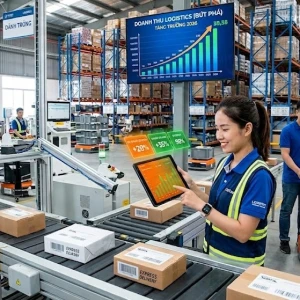
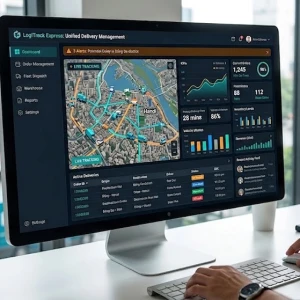
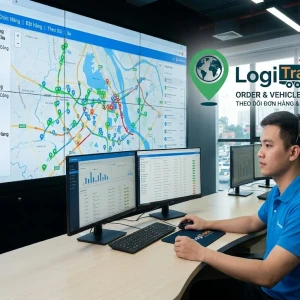
In the digital era, logistics is not merely about transporting goods but plays a crucial role in the entire modern supply chain. However, many logistics companies in Vietnam are still operating manually, while international competitors have already automated their processes using logistics software. From 2025 onward, logistics software will be the key for Vietnamese businesses to enhance their competitiveness and integrate into the global supply chain. To understand the development trends of logistics software in Vietnam during the 2025–2030 period, let’s explore the following information. 
The Current Logistics Software Market in Vietnam
The logistics industry in Vietnam has been growing rapidly year after year. However, the adoption rate of logistics software remains relatively low compared to other countries in the region. Most small and medium-sized enterprises still rely on manual processes and lack effective tools to track goods.
A large portion of Vietnamese businesses continue to manage orders, warehouses, and transportation manually. This results in outdated information, fragmented data, difficulty in making accurate decisions, and high operational costs due to inefficient route and workforce optimization.
From 2025 onward, however, the trend of digitalization is expected to accelerate as more free logistics software providers enter the market, making it easier for businesses to adopt technology without major investments. Additionally, the growing need for automation—driven by e-commerce, import-export, and transportation—requires faster processing and optimized systems.
As a result, the use of logistics software in Vietnam is expected to increase significantly. With digital transformation accelerating, early adopters will gain a stronger competitive position in the market.
Development Trends of Logistics Software in the 2025–2030 Period 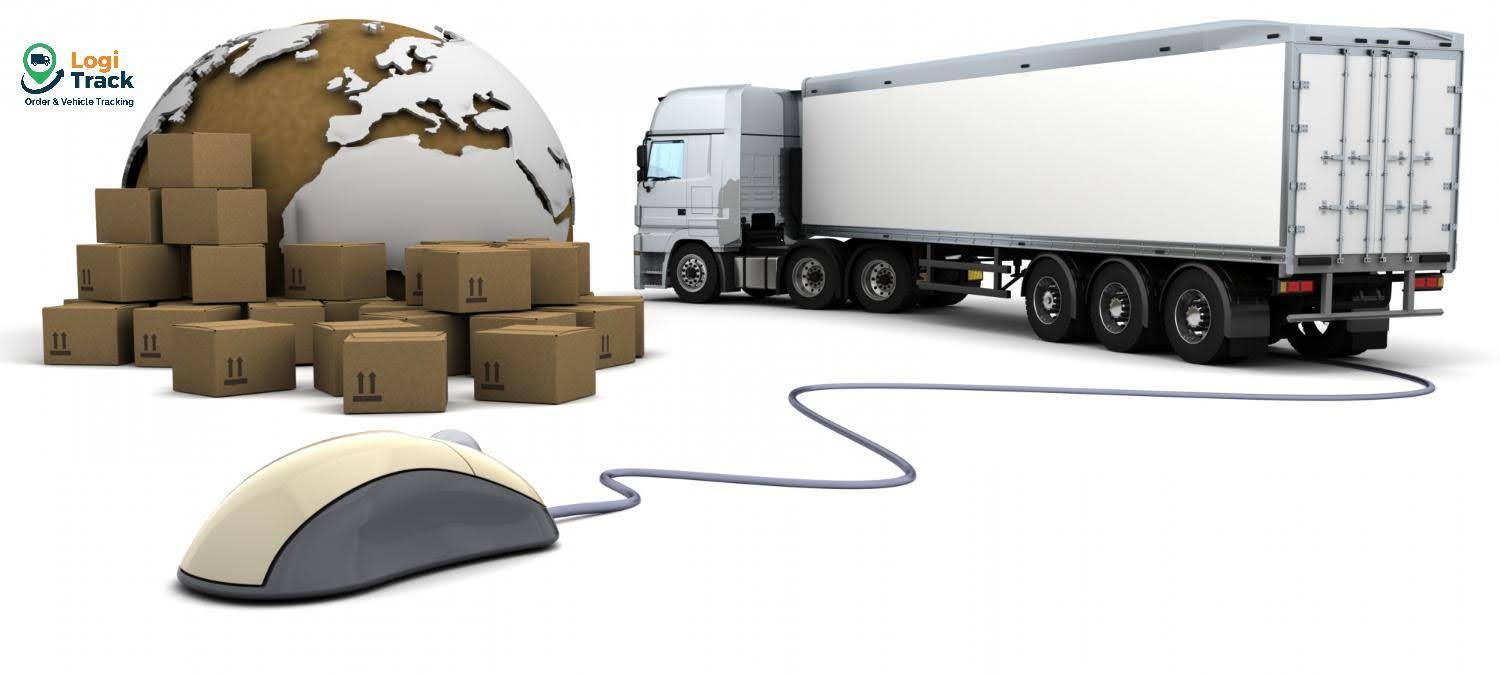
Comprehensive Automation in Logistics Software
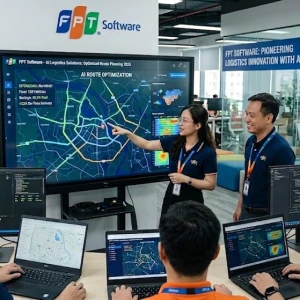
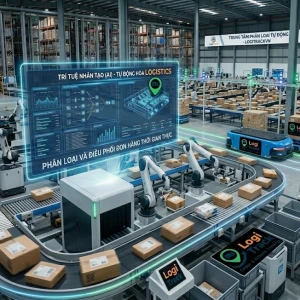
During the 2025–2030 period, logistics software will go beyond basic shipment and warehouse management. It will integrate AI technology to predict demand, optimize delivery routes, and detect operational risks. As a result, logistics companies will be able to save on fuel and labor costs while improving reliability and customer satisfaction.
Integration of Big Data and IoT in Logistics Software
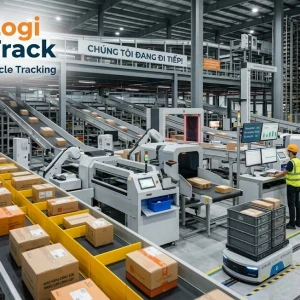
Future logistics software will be closely connected with IoT technology. Sensors installed on trucks, containers, or cold storage facilities will transmit real-time data to the system, allowing businesses to monitor location, temperature, humidity, and cargo conditions continuously.
Previously, these features were only available in premium software versions, but they are now becoming more common in free or limited-trial logistics software, allowing businesses to experience and access them more easily.
Free Logistics Software with Cloud Computing
One of the most prominent trends in both free and paid logistics software is the complete migration of data to the cloud. This enables centralized and secure data management, real-time access from anywhere, and easier scalability without the need for additional hardware investments.
Multi-Platform Integration in Logistics Software
From 2025 onward, logistics software will no longer operate as an isolated tool. Instead, it will be deeply integrated with ERP, CRM, and e-commerce platforms. This allows businesses to synchronize order and inventory management, automatically update shipping statuses, and enhance customer experience through unified data.
Even free logistics software now increasingly supports open APIs, enabling connections with multiple systems and expanding usability for Vietnamese enterprises.
Data Security and Compliance in Logistics Software
As logistics data volumes grow, security has become a top priority. Logistics software developers are investing heavily in data encryption technologies, multi-layer authentication, and compliance with international standards. In addition, these systems strengthen security levels to help businesses safely store sensitive information such as orders, driver records, and customer details.
Logistics Software – Opportunities and Challenges for Vietnamese Businesses 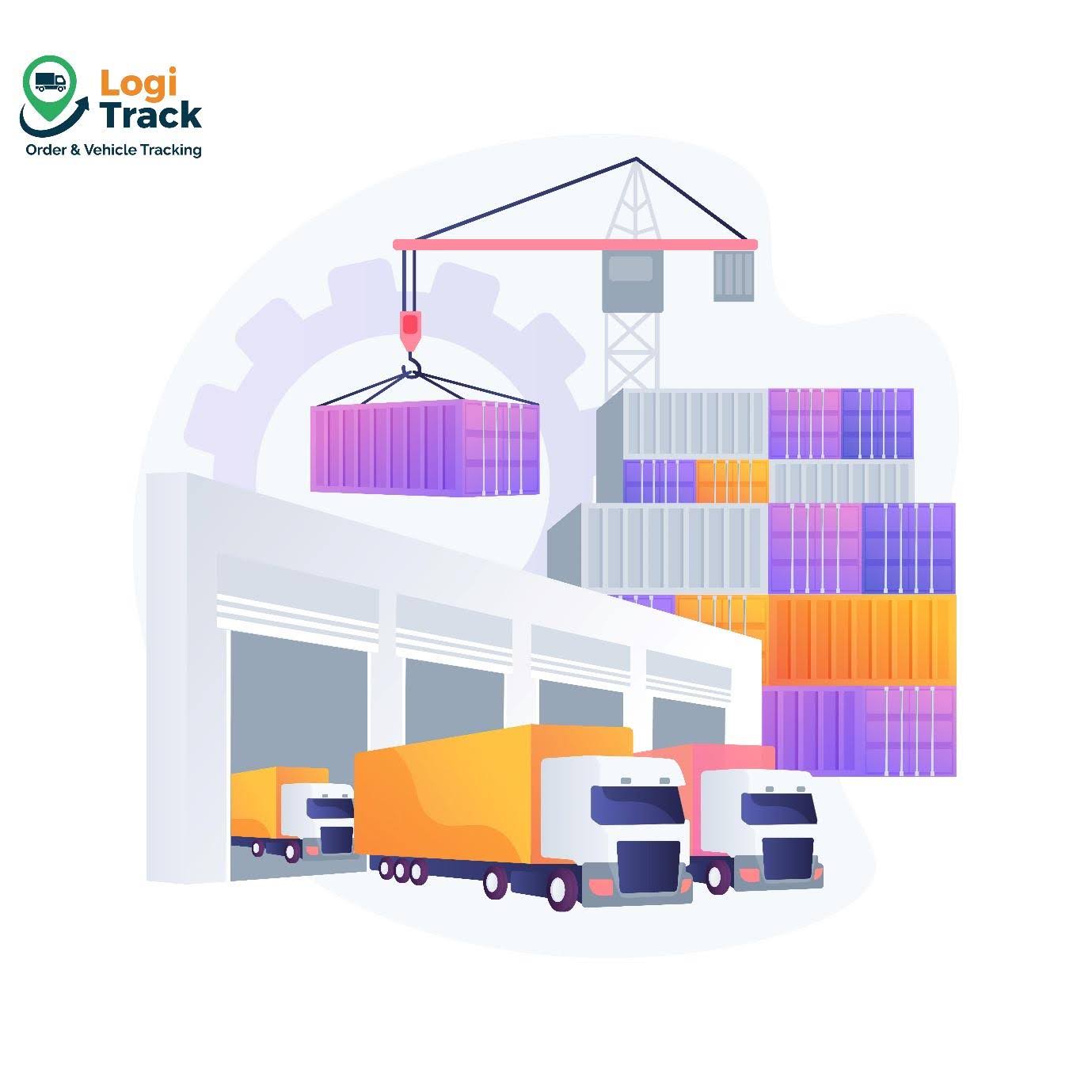
Opportunities Emerging with Free Logistics Software
Logistics software helps minimize manual errors and boost order processing efficiency. Moreover, using free or paid logistics software allows businesses to save on long-term operational costs. Companies that adopt software early will be better positioned to meet the market’s growing demands and strengthen their competitiveness.
Challenges to Overcome with Logistics Software
Despite its many advantages, logistics software also presents certain challenges, such as a lack of technologically skilled personnel or dedicated IT teams. Additionally, while free logistics software is available, synchronizing it with existing legacy systems often requires significant implementation costs.
Development Orientation for Vietnam’s Logistics Software (2025–2030)
In the coming years, the goal of Vietnam’s logistics industry is to build a unified logistics software ecosystem that meets international standards. Businesses are encouraged to adopt AI, Big Data, and cloud computing technologies to help reduce logistics costs.
At the same time, domestic logistics software developers will gradually establish their position by offering comprehensive, user-friendly management platforms, including free logistics software versions that allow enterprises to experience the system before full adoption. This presents a major opportunity for Vietnamese companies to successfully undergo digital transformation and stay aligned with global trends.
2025–2030: The Breakthrough Era for Logistics Software in Vietnam
The period from 2025 to 2030 will mark an explosive phase for logistics software in Vietnam. Businesses that quickly embrace technological trends, automation, and intelligent management systems will gain a significant competitive advantage in the global supply chain.
Is your business looking for an efficient, cost-effective logistics management solution that keeps pace with digital transformation trends?
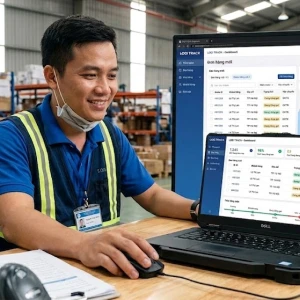
Try Logitrack software — an all-in-one logistics platform fully equipped with transportation, warehouse, and delivery automation features to help your business optimize operations and lead the market.