In the booming era of e-commerce, courier software is no longer a luxury support tool but has become the backbone of logistics businesses.
In the booming era of e-commerce, courier software is no longer a luxury support tool but has become the backbone of logistics businesses. Optimizing the entire process from order receipt and warehouse operations to last-mile delivery directly impacts a company’s reputation and profitability.
So, among the countless solutions available on the market, which one is truly worth your investment? This article provides a detailed analysis of the most popular courier management software solutions available today.
The Importance of Courier Software in the Industry 4.0 Era
Before comparing different courier management software solutions, it is important to understand why businesses need a dedicated management system. Modern courier software does much more than simply record shipment information. It plays critical roles such as:
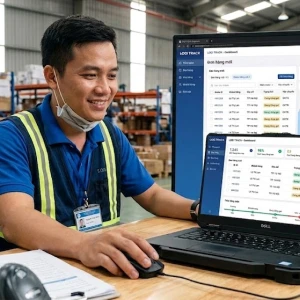
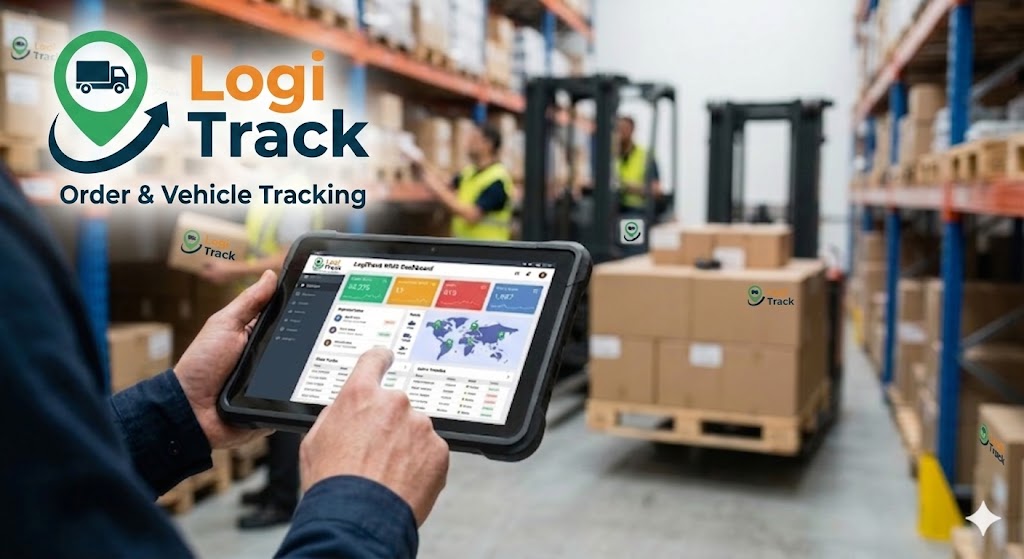 A warehouse employee uses a tablet to access the dashboard of a courier software system and monitor real-time operational metrics.
-
Process automation: Minimize errors caused by manual data entry.
-
Route optimization: Use algorithms to identify the shortest routes, saving both fuel and time.
-
Information transparency: Customers and managers can track shipment journeys in real time.
-
Financial control: Accurately manage COD cash flow, shipping fees, and courier reconciliation.
Criteria for Evaluating a Good Courier Management Software Solution
To choose the most suitable solution, businesses should focus on the following four key criteria:
|
Criteria
|
Detailed Description
|
|
Comprehensive Features
|
Must include core modules such as shipment management, warehouse/branch management, vehicle and courier management, and financial reconciliation reporting.
|
|
Integration Capability
|
Extremely important. The software should integrate seamlessly via APIs with e-commerce platforms (Shopee, Lazada, TikTok Shop), sales websites, and accounting systems.
|
|
Stability & Performance
|
The system must operate reliably and handle heavy workloads without lag, even during major sales campaigns with surging order volumes.
|
|
Support Services
|
Technical support and customer service teams should be available promptly 24/7 to resolve operational issues and prevent supply chain disruptions.
|
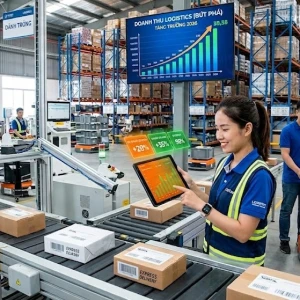
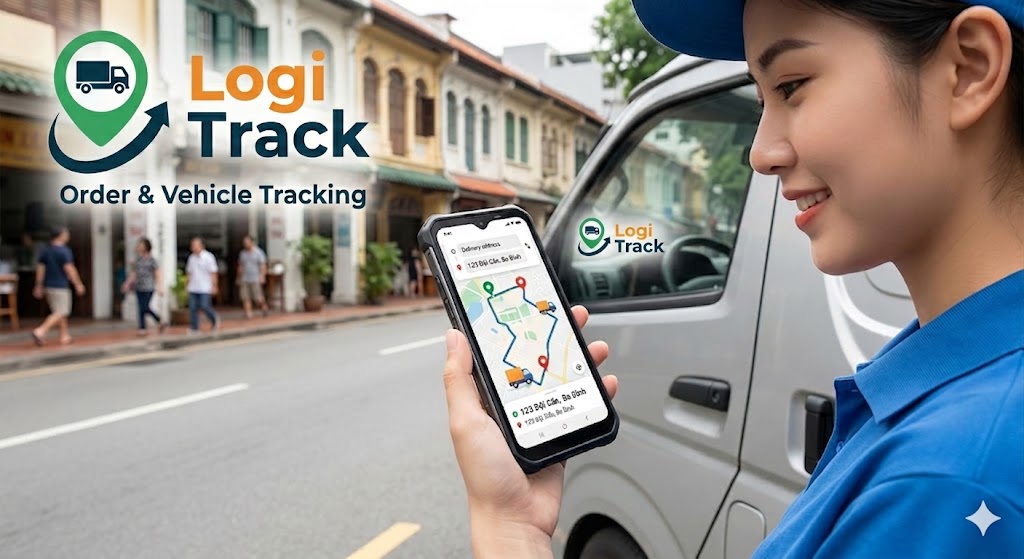 The courier application displays an intelligent delivery route on a digital map, a core feature for optimizing last-mile delivery.
Comparing Popular Courier Software Solutions Today
In Vietnam, the courier software market can generally be divided into three main categories:
- Systems from Major Postal Operators (Viettel Post, VNPost)
These are long-established systems supported by extensive postal branch networks.
Advantages: Extensive nationwide coverage, excellent support for deliveries to remote areas, islands, and rural regions. Built upon large-scale transportation infrastructure.
Disadvantages: Due to their size, the user interface may sometimes feel less responsive, and complaint-handling processes through the system can be slower than those of specialized technology providers.
- Software from Tech-Logistics Companies (GHN, GHTK, J&T)
These companies represent a new generation of technology-driven logistics providers focused on user experience.
Advantages: Smooth mobile applications, rapid order processing, and highly accurate real-time tracking. Ideal for online stores and small to medium-sized enterprises (SMEs).
Disadvantages: Primarily focused on major delivery routes. Costs may become relatively high for businesses operating their own large-scale logistics networks.
- Centralized Management Platforms (Goship, Topship, Shipchung)
These platforms act as intermediaries, allowing businesses to connect with and manage multiple delivery providers from a single interface.
Advantages: Compare shipping rates among carriers to choose the most cost-effective option for each shipment. Centralized management reduces dependency on a single provider.
Disadvantages: Fully dependent on third-party APIs, which may occasionally result in slight delays in shipment status updates.
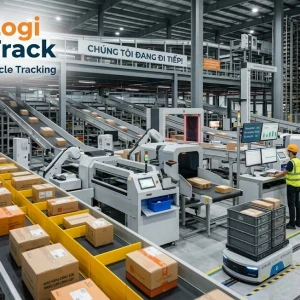
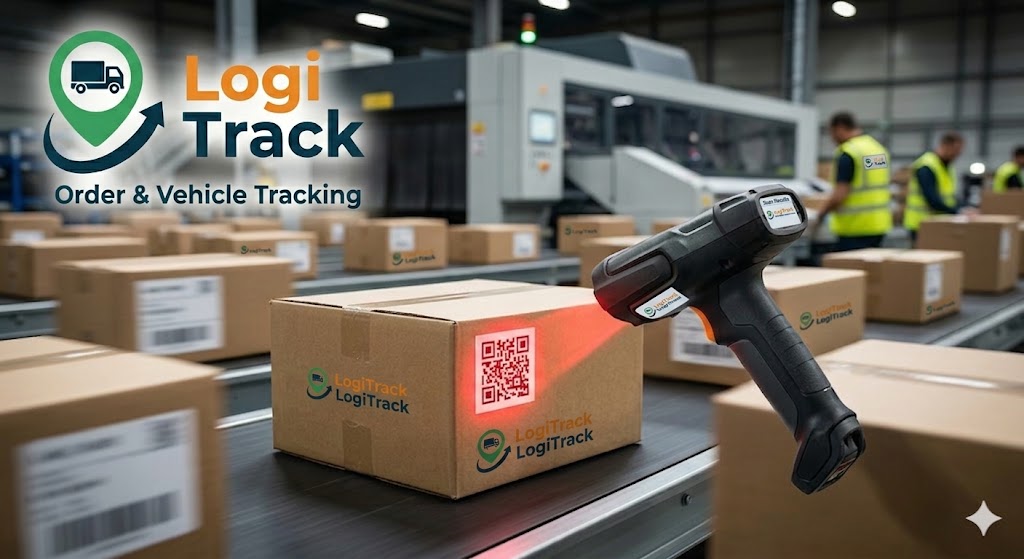 The process of scanning QR codes on parcels at a sorting center. The data is immediately updated in the courier management software so both senders and recipients can track shipment progress.
Which Courier Software Should You Choose?
The right courier software depends entirely on your business model:
If You Own a Small Online Store: Prioritize applications from GHTK, GHN, or Viettel Post to take advantage of their existing infrastructure and mobile convenience.
If You Operate Your Own Logistics Fleet: You need a dedicated courier software solution (such as Logitrack) to fully control your data and customize workflows according to your operational requirements.
If You Are an Import-Export Business: Software solutions that integrate freight forwarding and customs declaration features will be the most suitable choice.
AI and Robotics: The Future of Courier Software
The courier management industry is rapidly evolving toward advanced technologies, transforming software into a true operational brain:
AI and Big Data: Modern software not only records data but also analyzes it to forecast seasonal order volumes. This allows businesses to proactively allocate personnel and vehicles before congestion occurs.
Robots and Smart Warehouse Automation: The software will directly connect with Autonomous Mobile Robots (AMRs) to automate picking and sorting operations, reducing manual labor by up to 90%.
Blockchain: Blockchain technology enhances security, ensures complete transparency, and prevents fraud in complex COD reconciliation processes.
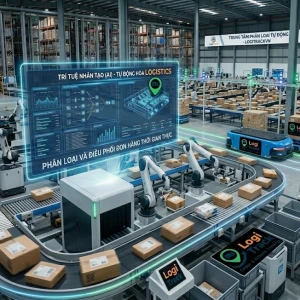
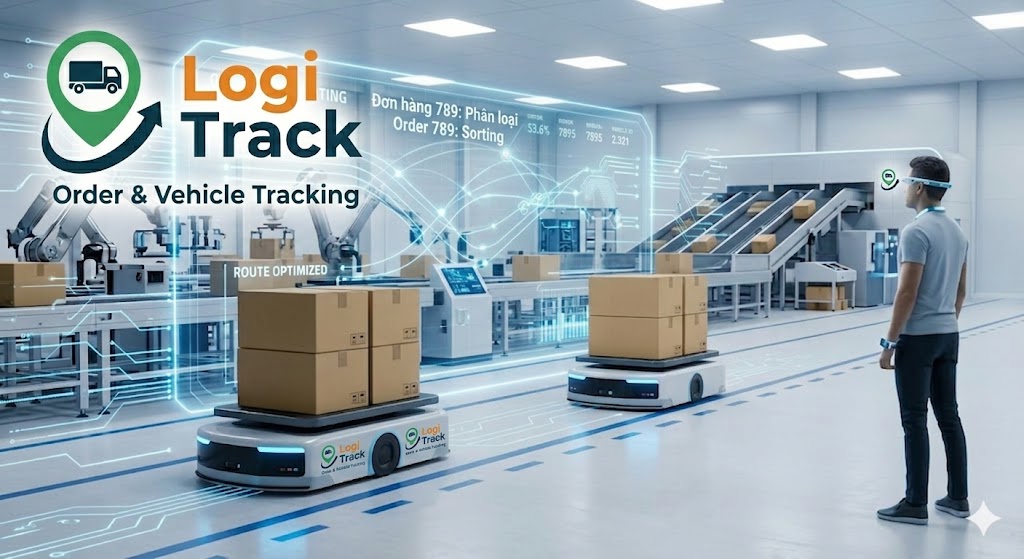 The future of express delivery: Autonomous Mobile Robots (AMRs) operating in a smart warehouse, coordinated by an AI-powered courier management software system.
Investing in the right courier software is a strategic decision that cannot be ignored in today's increasingly digitalized logistics environment. The right system not only helps businesses manage shipments efficiently but also creates an outstanding customer experience through transparency and delivery speed.
If you are still unsure which solution to choose, start by testing demo versions from reputable providers. This will help you receive professional consultation and identify the most suitable digital transformation roadmap based on your budget and operational scale.