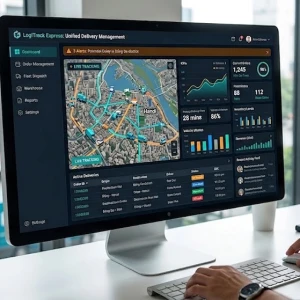
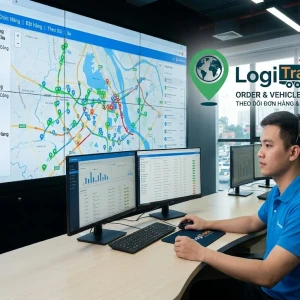
Today, there are numerous logistics software providers offering both free and paid solutions, ranging from domestic platforms to international systems. Choosing the right logistics software is not always a simple decision.
Currently, businesses can choose from a wide range of logistics software solutions developed by both local and global providers. Each platform comes with its own strengths, limitations, and specialized features designed to simplify logistics management. The following comparison of domestic and international logistics software will provide a clearer perspective and help businesses select the most suitable solution.
 Comparing domestic and international logistics software helps businesses make the right choice.
The Growing Demand for Logistics Software in Vietnam
The logistics industry in Vietnam continues to expand rapidly, and many businesses are investing in logistics software to manage orders, transportation, inventory, and real-time shipment tracking more effectively. However, the market is currently divided into two main categories:
- Domestic logistics software: Solutions developed by Vietnamese companies and designed specifically for the local market.
- International logistics software: Solutions provided by global brands, featuring advanced technologies and multinational integration capabilities.
This distinction often leaves businesses uncertain about which type of software best suits their operational requirements and long-term growth plans.
Advantages and Disadvantages of Domestic Logistics Software
 Domestic logistics software offers reasonable costs and several significant advantages.
Advantages of Domestic Logistics Software
Since domestic logistics software is developed by Vietnamese companies, it provides several benefits tailored to local businesses:
- User-friendly Vietnamese interface: The software is designed entirely in Vietnamese, making it easy for employees to learn and use.
- Flexible customization: Many local providers can customize features, reports, and workflows according to specific business requirements.
- Affordable pricing: Compared to international solutions, domestic logistics software is generally much more cost-effective. Some providers even offer free trials or demo versions at no charge.
- Fast technical support: Local development teams can provide timely support and resolve issues quickly, minimizing system downtime.
Disadvantages of Domestic Logistics Software
Despite its advantages, domestic logistics software also has some limitations:
- Technology may not be as advanced: Some solutions have yet to fully integrate emerging technologies such as AI, blockchain, or advanced predictive analytics.
- Limited scalability: When businesses expand into international markets, certain domestic systems may face compatibility and integration challenges.
Advantages and Disadvantages of International Logistics Software
 International logistics software offers global integration capabilities.
Advantages of International Logistics Software
International logistics software is designed to support multinational operations and deliver a wide range of advanced capabilities, including:
- Advanced and reliable technology: These platforms often incorporate modern technologies that help forecast transportation demand, optimize routes, and improve inventory management accuracy.
- Global integration capabilities: They can easily connect with ERP systems, CRM platforms, and international logistics partners.
- High security standards: Customer, order, and transaction data are protected through internationally recognized security and encryption standards.
- Ideal for large multinational businesses: International logistics software supports multiple languages, currencies, and branch locations, enabling seamless operations across different countries.
Disadvantages of International Logistics Software
Like domestic solutions, international logistics software also has certain drawbacks:
- Higher costs: Unlike some domestic providers that offer free logistics software trials, international platforms generally require significantly higher licensing, subscription, and maintenance fees.
- Complex implementation: Many international systems include extensive functionality, making them more difficult for small and medium-sized businesses to deploy and manage without dedicated IT resources.
- Slower technical support: Time zone differences and overseas support teams can sometimes result in longer response times when issues arise.
Should You Choose Domestic or International Logistics Software?
Selecting the right logistics software depends largely on your business model, operational scale, and long-term objectives. For businesses that primarily operate within Vietnam and focus on domestic transportation and distribution, a domestic logistics software solution or even a free local logistics software option may be the most practical and cost-effective choice.
On the other hand, large enterprises with extensive supply chains, multinational operations, and frequent collaboration with international partners may benefit more from the advanced capabilities and scalability offered by international logistics software.
Both domestic and international logistics software solutions come with their own unique strengths and limitations. The ideal choice depends on the specific operational needs, budget, and growth strategy of each business.
Is your business looking for a logistics solution that is easy to use, cost-effective, and tailored to your operational needs? Choose Logitrack today to manage your entire logistics process intelligently, transparently, and more efficiently than ever before.