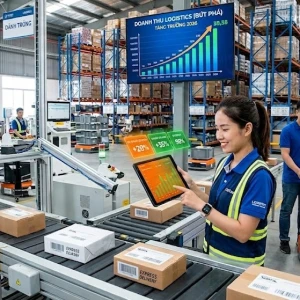
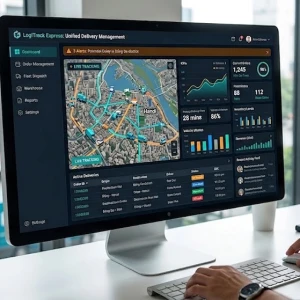
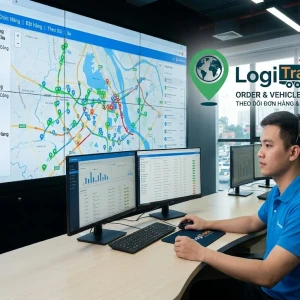
Transportation management software is a comprehensive technology solution that helps businesses automate their entire transportation operation process.
In an era where transportation and logistics serve as the backbone of the economy, effective fleet management and driver dispatching have become critical factors for business success. However, as the number of orders and vehicles continues to grow, manual management methods can no longer meet the demands for speed, accuracy, and cost efficiency. As a result, transportation management software has emerged as a comprehensive technology solution that helps businesses automate the entire process. To better understand the benefits of this software in fleet management and driver dispatching, please refer to the information below.
 Transportation management software provides significant benefits for fleet management and driver dispatching.
Challenges in Fleet Management and Driver Dispatching Without Transportation Management Software
In today’s rapidly expanding logistics and transportation industry, businesses face increasing demands for faster deliveries, higher volumes, and greater accuracy. Managing fleets and dispatching drivers efficiently has therefore become a major challenge.
Without transportation management software, businesses must monitor dozens or even hundreds of vehicles operating across multiple routes with different schedules and delivery requirements. When relying on spreadsheets, phone calls, or manual record-keeping, companies often encounter the following issues:
-
Lack of visibility into vehicle routes and movements.
-
Difficulty tracking driver performance, resulting in fuel waste and delivery delays.
-
Limited operational data for cost optimization and vehicle maintenance planning.
-
Challenges in assigning the right drivers to the right jobs, leading to scheduling conflicts and delivery errors.
Consequences of Not Using Transportation Management Software
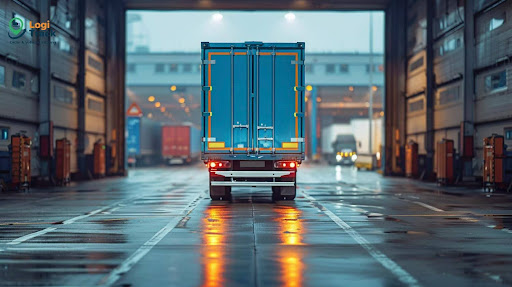 Without transportation management software, businesses struggle to manage fleets and drivers efficiently.
Delaying digital transformation and continuing to operate without transportation management software can create numerous operational challenges that negatively impact efficiency and profitability.
Increased Operating and Fuel Costs
Without automated tracking and monitoring, businesses often lack insight into vehicle mileage, fuel consumption, and driving behavior. As a result, fuel and maintenance expenses can increase significantly without clear explanations.
Difficulty Maintaining On-Time Deliveries
When driver dispatching is handled manually, businesses frequently experience vehicle assignment errors, delayed deliveries, or incorrect delivery locations. These issues directly affect customer satisfaction and brand reputation.
Limited Data for Performance Evaluation
Without transportation management software, businesses cannot accurately assess driver productivity, vehicle utilization rates, on-time delivery performance, or average fuel consumption. Decision-making therefore becomes less data-driven and more dependent on assumptions.
Challenges in Scaling Fleet Operations
Managing a small fleet manually may be feasible, but as the fleet grows, coordinating vehicles and drivers through phone calls and spreadsheets becomes increasingly inefficient. Without transportation management software, expanding operations while maintaining control and efficiency becomes extremely difficult.
How Transportation Management Software Improves Fleet Management
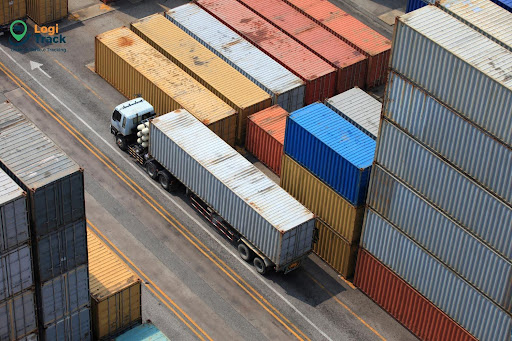 Transportation management software automates fleet management and driver dispatching processes.
To overcome these challenges, many transportation and logistics companies are adopting transportation management software to automate fleet management and dispatching operations.
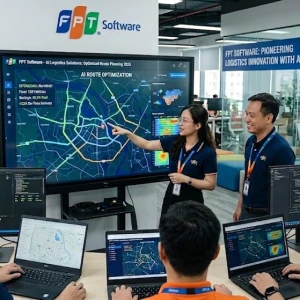
Transportation management software enables businesses to monitor, manage, and optimize transportation activities, including route planning, driver assignment, vehicle dispatching, route tracking, and performance analysis.
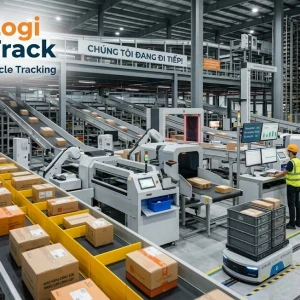
When integrated with technologies such as GPS, digital maps, and IoT devices, the software provides complete operational visibility through a single centralized platform, helping businesses improve efficiency and competitiveness.
Key Benefits of Transportation Management Software
Transportation Management Software Helps Businesses Manage Their Fleet in Real Time
With Transportation Management Software, businesses can monitor the location, speed, and status of every vehicle directly within the system. As a result, businesses can:
• Track vehicle routes and idle times.
• Monitor fuel consumption and driver behavior.
• Detect abnormalities or traffic regulation violations at an early stage.
Transportation Management Software Optimizes Driver Dispatching and Route Planning
The software automatically assigns vehicles and drivers based on criteria such as location, capacity, and vehicle status. As a result, businesses can:
• Reduce dispatching time.
• Increase the number of trips completed each day.
• Lower fuel costs and optimize operational efficiency.
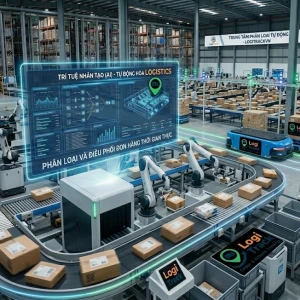
The implementation of Transportation Management Software not only helps businesses reduce costs and increase productivity, but also serves as a critical foundation for long-term digital transformation strategies. When operational data is digitized and integrated with systems such as WMS, ERP, and CRM, businesses can build a smarter, more connected, and more efficient supply chain.
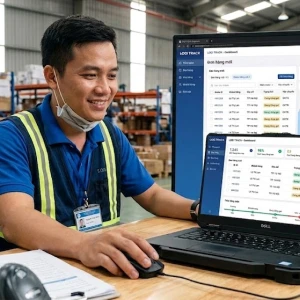
If your business is struggling to manage its fleet and dispatch drivers efficiently, consider using Logitrack. Designed specifically for logistics companies, Logitrack enables real-time tracking, route optimization, and automated driver dispatching with just a few simple steps.