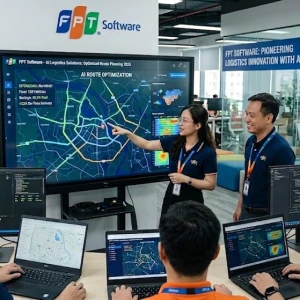
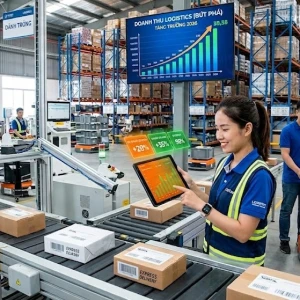
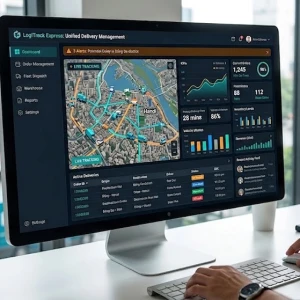
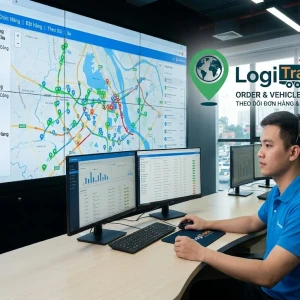
Many businesses have chosen TMS software as a tool to optimize routes, monitor fuel consumption, and improve operational efficiency.
In the logistics sector, transportation accounts for a significant proportion of costs and directly impacts delivery performance. However, many businesses still rely on manual methods, making transportation management difficult to control. As a result, TMS software has emerged as a breakthrough solution that helps enterprises optimize operations and manage logistics fleets more professionally.
 TMS software is effectively applied in logistics fleet management
Bottlenecks Causing Logistics Enterprises to Lose Costs Without TMS Software
In the logistics industry, transportation has always been one of the most costly and complex links in the supply chain. Transportation expenses account for a substantial share of a company’s total logistics costs. However, many businesses still manage fleets, routes, and orders manually instead of utilizing modern TMS software. This leads to issues such as:
-
Difficulty tracking vehicle status, drivers, and orders in real time.
-
Excessive time spent planning transportation, assigning vehicles, and scheduling routes.
-
Inability to effectively control fuel costs, toll fees, and vehicle maintenance expenses.
-
Increased risk of errors, delays, or lost delivery documents.
-
Reduced operational efficiency and customer dissatisfaction due to late deliveries.
These bottlenecks force logistics enterprises to bear high costs while failing to improve productivity or customer experience.
Applying Transportation Management System (TMS) Software in Fleet Management
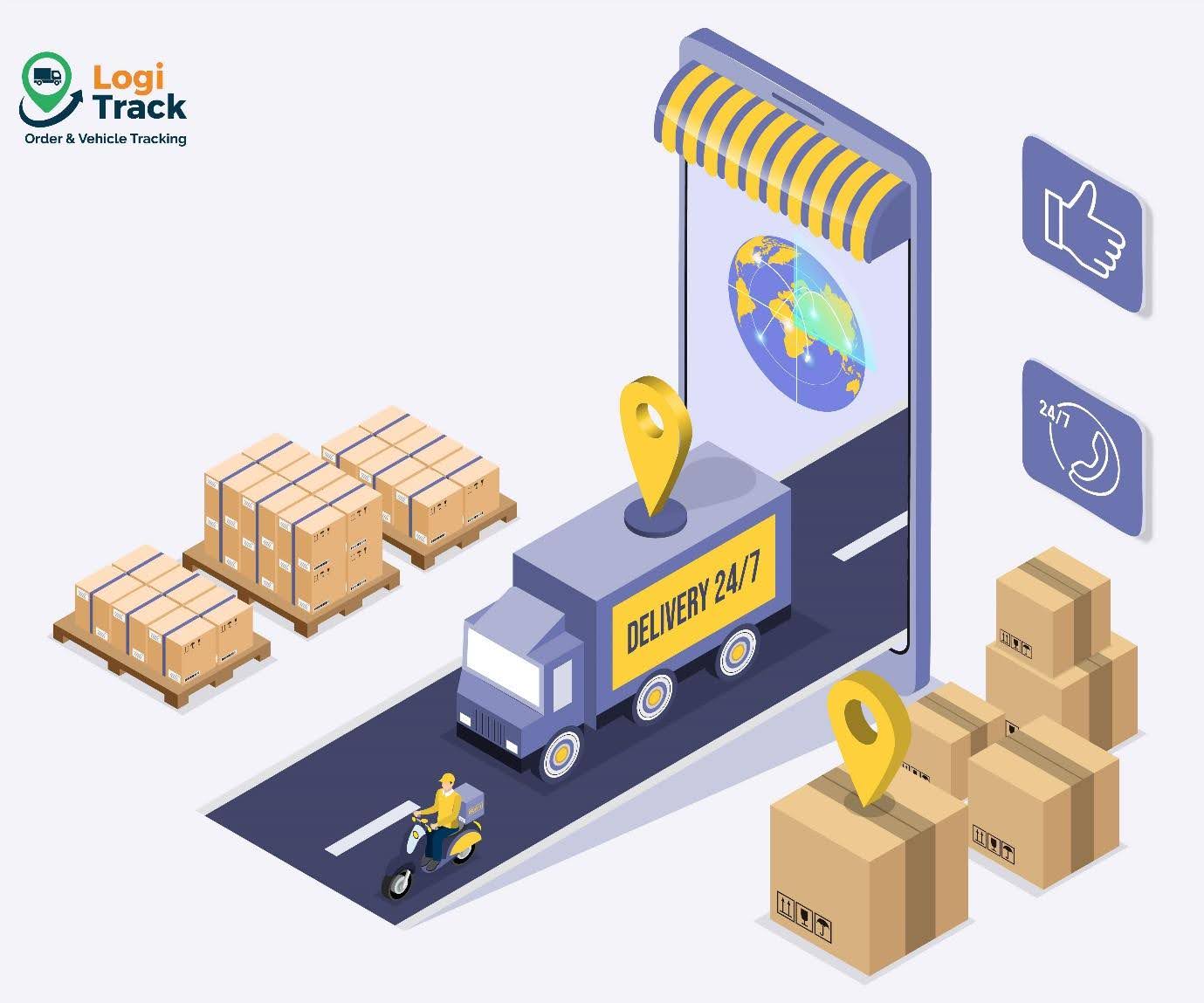 Transportation management software (TMS) helps optimize delivery routes
What is TMS Software?
TMS software is one of the most important solutions in today’s logistics industry. It is a technology platform that enables logistics, transportation, and manufacturing enterprises with transportation activities to manage the entire freight transportation process. From planning and route optimization to vehicle tracking and delivery completion, this software provides comprehensive support.
With TMS software, businesses can automate tasks such as:
-
Planning transportation based on actual orders.
-
Assigning vehicles, drivers, and optimal routes.
-
Tracking vehicle locations in real time.
-
Calculating fuel costs, route expenses, and toll charges.
-
Storing and analyzing operational data to improve efficiency.
As a result, TMS software plays a crucial role in helping transportation businesses operate more efficiently, quickly, cost-effectively, and with reduced risk.
Outstanding Benefits of TMS Software for Logistics Enterprises
When implementing TMS software, logistics companies can achieve significant improvements in productivity, cost efficiency, and service quality. Key benefits include:
Route Optimization with TMS Software
TMS software calculates the shortest and most efficient routes while avoiding traffic congestion and restricted areas. This helps reduce delivery times, save fuel, and increase the number of trips completed each day.
Advanced algorithms can also automatically update routes when sudden order changes or traffic disruptions occur, ensuring goods arrive at the right place and at the right time.
Efficient Fleet Management with TMS Software
TMS software integrates GPS monitoring features, enabling businesses to track vehicle locations, operating status, and travel history. This helps determine whether vehicles are following scheduled routes and reduces the risk of fuel loss or wasted time. As a result, TMS software not only improves efficiency but also significantly reduces operating costs.
TMS Software Enhances Customer Experience
With TMS software, businesses can provide customers with detailed information about delivery routes, shipment status, and estimated delivery times. This increases transparency and strengthens customer trust. In addition, the system enables quick responses to issues such as delivery delays or changes in delivery locations.
TMS Software Reduces Operating Costs
One of the greatest advantages of TMS software is its powerful analytical capability. Based on actual operational data, the system can identify issues such as idle vehicles, drivers taking excessive breaks, or inefficient route deviations. Businesses can then eliminate unnecessary expenses and improve overall operational efficiency.
Practical Applications of TMS Software in Logistics
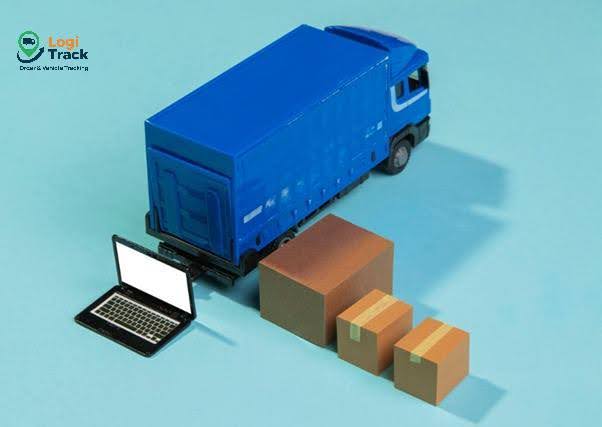 TMS software is highly effective in transportation operations
Many logistics companies in Vietnam and around the world have adopted TMS software to automate transportation management. Typical applications include:
Domestic and International Delivery Management with TMS Software
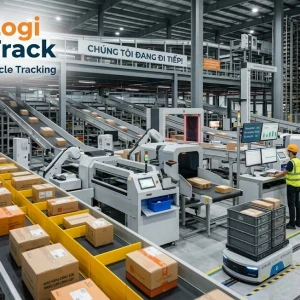
TMS software enables end-to-end transportation tracking, especially for businesses with international delivery networks. Features such as delivery status updates, GPS vehicle tracking, and automated notifications ensure continuous shipment monitoring, reducing the risk of loss or delays.
TMS Software Integration with WMS and ERP Systems
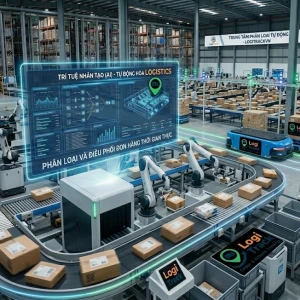
One of the key advantages of TMS software is its ability to integrate with Warehouse Management Systems (WMS) and Enterprise Resource Planning (ERP) systems. This integration synchronizes transportation, warehousing, and order management data, reducing manual data entry, ensuring consistency, and improving overall supply chain efficiency.
Fuel and Maintenance Cost Management with TMS Software
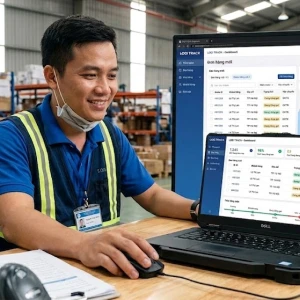
TMS software provides detailed reports on fuel consumption, maintenance schedules, and vehicle lifespan. Businesses can proactively plan maintenance activities, identify vehicles with abnormal fuel consumption, and optimize maintenance budgets.
In today’s highly competitive logistics environment, TMS software serves as a powerful tool that bridges technology and practical operations, making transportation processes more transparent, efficient, and optimized.
Is your business looking for a smarter way to optimize costs and manage fleets more effectively? Experience Logitrack an intelligent TMS solution that helps logistics enterprises operate more smoothly, cost-effectively, and transparently than ever before.