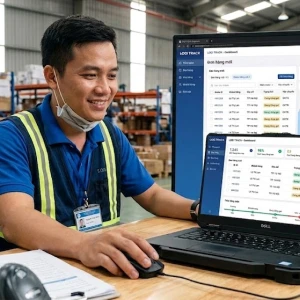
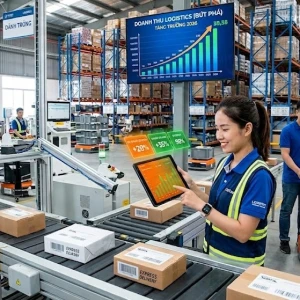
The logistics industry has been undergoing significant transformation through the adoption of TMS software. With AI integration, these systems can optimize entire transportation processes, enabling businesses to manage operations more efficiently and intelligently.
In the era of rapid digital transformation, the logistics industry is experiencing a powerful technological revolution. Companies seeking to maintain their competitive advantage must optimize operational processes, especially transportation management. As a result, TMS software has become a key driver of this transformation. With the integration of artificial intelligence (AI), TMS solutions can optimize end-to-end transportation operations, helping businesses manage logistics more effectively.
 The integration of AI into TMS software is becoming increasingly widespread.
The Role of TMS Software in Modern Transportation Management
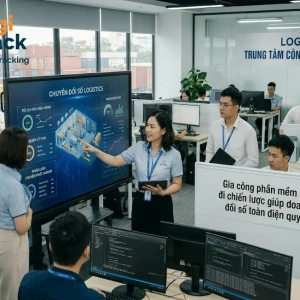
As digital transformation continues to reshape business operations, more companies are adopting TMS software to improve transportation management. This advanced technology solution is designed to help businesses oversee and control the entire transportation process, from planning and vehicle dispatching to shipment tracking and performance reporting.
For logistics companies, TMS software plays a critical role by supporting the following functions:
-
Automating transportation processes: The software automates workflows from order receipt to final delivery.
-
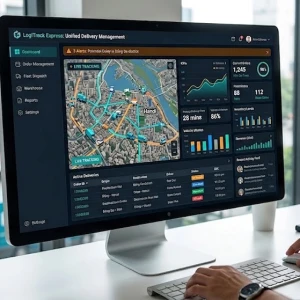
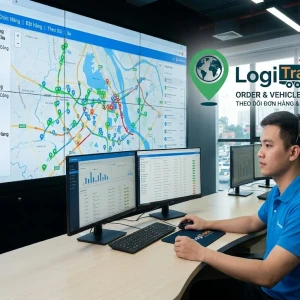
Real-time monitoring: Businesses can track vehicles, routes, and shipment status in real time.
-
Cost and profitability analysis: The system generates detailed reports that help optimize operating expenses.
-
Enhancing customer experience: Faster deliveries, accurate information, and improved service quality lead to greater customer satisfaction.
The Growing Trend of AI Integration in TMS Software
 AI-powered TMS software provides powerful support for modern transportation management.
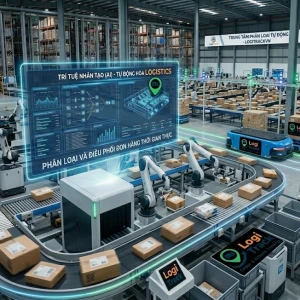
The combination of AI and TMS software is creating significant breakthroughs in the logistics industry. AI transforms the software from a simple management tool into a smart virtual assistant capable of learning from data and making accurate operational recommendations.
AI-Powered Route Optimization
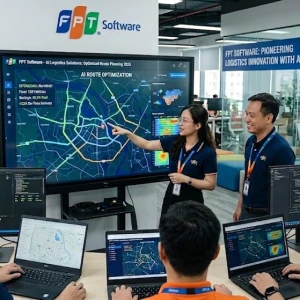
AI can analyze traffic conditions, weather data, road conditions, and driver behavior patterns. Based on this analysis, AI-enabled TMS software can recommend the most efficient routes, reduce travel distances, and significantly lower fuel consumption.
Demand Forecasting and Intelligent Fleet Management
AI enables TMS software to analyze historical transportation data and customer ordering patterns to forecast future demand. This allows businesses to allocate resources more effectively, including workforce planning, vehicle utilization, and operational scheduling.
Automated Data Processing and Decision-Making
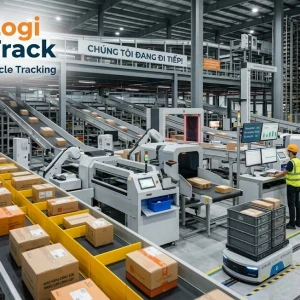
Transportation systems generate massive amounts of data from GPS devices, orders, invoices, and vehicle sensors. AI helps TMS software automatically process and categorize this information while identifying anomalies such as delivery delays, unusual fuel consumption, or vehicles deviating from planned routes.
Enhanced Security and Operational Safety
One of AI’s most valuable capabilities is risk detection. AI integrated into TMS software can identify unsafe driving behaviors, provide early warnings about equipment failures, and detect operational fraud.
In addition, AI supports intelligent user authentication and access control, ensuring that logistics data remains secure and protected.
Practical Benefits of AI-Powered TMS Software
 The integration of AI into transportation management software delivers substantial real-world benefits.
Combining AI with TMS software provides businesses with numerous advantages, including:
-
Lower operating costs: Reduced fuel consumption, shorter waiting times, and optimized transportation routes.
-
Higher workforce productivity: Automation allows employees to focus on strategic tasks rather than manual processes.
-
Improved accuracy: AI minimizes errors in reporting, planning, and transportation coordination.
-
Better customer experience: On-time deliveries, transparent information, and more professional service quality.
Why Vietnamese Businesses Should Adopt AI-Enabled TMS Software Early
Vietnam’s logistics market is growing rapidly, making transportation management increasingly complex. Early adoption of AI-powered TMS software can help businesses:
-
Increase competitiveness against international companies.
-
Reduce costs and minimize operational errors.
-
Scale operations more efficiently as market demand increases.
The combination of AI and TMS software is not merely a trend—it represents a major advancement in the logistics industry. Companies that embrace this technology early will gain significant advantages in cost efficiency, operational speed, and strategic decision-making capabilities.
If your business is struggling with transportation management and looking for the right logistics solution, choose Logitrack. Powered by advanced AI technology, it helps optimize routes, reduce fuel costs, and improve overall operational efficiency.