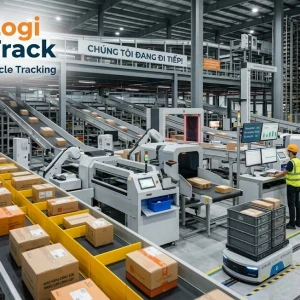
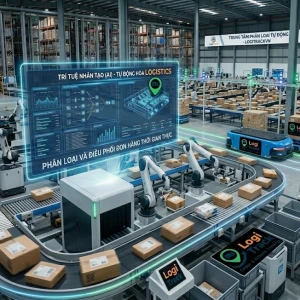
With the rapid growth of e-commerce, customers today no longer shop through a single channel. Along with the expanding opportunities come numerous challenges in managing transportation — ensuring on-time delivery, optimizing costs, and synchronizing data across multiple platforms. That’s why freight management software plays a crucial role in helping businesses control their entire logistics operations and deliver a seamless shopping experience. So, what exactly is the role of this software in the omni-channel delivery model, and why is it so essential? Let’s explore below.
When Freight Management Software Accelerates Multi-Channel Success
In the age of omni-channel commerce, delivery speed is not just an advantage — it’s a key factor shaping customer experience. Today’s consumers can place orders through websites, e-commerce marketplaces, social media, or even in physical stores. They expect fast, accurate delivery no matter which channel they choose.
This creates a complex challenge for businesses: how to manage all orders, shipments, and logistics data from multiple sales channels in one unified system.
The solution lies in adopting freight management software — a tool that automates, synchronizes, and optimizes the entire delivery process. It saves time, cuts costs, enhances visibility, and boosts efficiency while meeting ever-rising customer expectations in an omni-channel ecosystem.
Why Multi-Channel Businesses Need Freight Management Software
Omni-channel logistics requires close coordination among departments such as sales, warehousing, customer service, and transportation. Any disruption in one area can affect the entire system. Freight management software addresses these challenges comprehensively.
1. Automating Multi-Channel Transportation Processes
Instead of handling orders manually, the software can automatically receive and synchronize orders from multiple channels — e-commerce platforms, social media, and physical stores. This automation reduces input errors, saves time, and optimizes the delivery process from order creation and carrier selection to final delivery.
2. Centralized Management of All Shipping Data
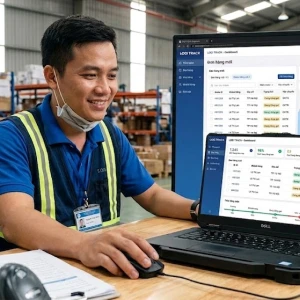
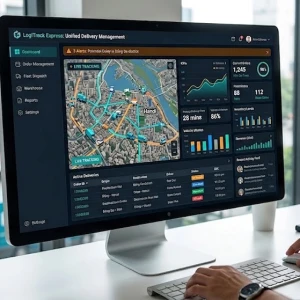
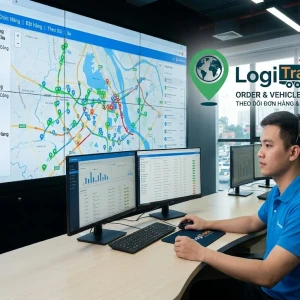
Freight management software allows businesses to track all orders on a single interface. Employees no longer need to log into different systems — they can view shipment statuses, update waybills, and manage customer feedback in one place. Centralized data improves productivity and enables management to make data-driven decisions quickly and accurately.
3. Route Optimization and On-Time Delivery
A key strength of modern freight software is intelligent route optimization. Using advanced mapping technology, the system automatically suggests the shortest and most efficient routes, minimizing travel distance, fuel usage, and delays. This ensures orders reach customers on time — a critical factor for customer satisfaction.
Benefits of Freight Management Software in Omni-Channel Logistics
1. Reduces Risks and Errors
Handling thousands of orders daily across multiple channels increases the likelihood of mistakes. Freight management software minimizes errors such as wrong addresses, duplicate orders, or incorrect data through automated verification. Some systems even integrate AI to detect irregularities early in the delivery process.
2. Enhances the Customer Experience
Today’s customers expect real-time order tracking. The software automatically sends notifications about shipment status, estimated delivery time, and alerts for delays. This transparency strengthens trust, improves satisfaction, and increases repeat purchases.
3. Enables Data-Driven Strategic Decisions
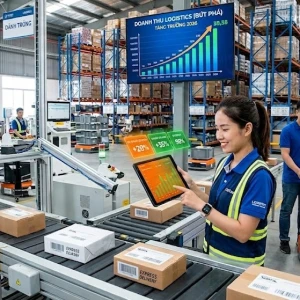
Freight management software generates detailed reports on shipping costs, delivery success rates, carrier performance, and regional efficiency. This allows businesses to analyze logistics performance, select the right partners, and forecast transportation demand — helping optimize long-term strategy.
4. Connects Warehouses and Carriers Flexibly
In omni-channel operations, seamless coordination between warehouses and delivery providers is essential. Freight software integrates with multiple carriers and updates warehouse inventory in real time. Businesses can allocate goods to the nearest warehouse or delivery center, shortening delivery time and reducing logistics costs.
Implementing Freight Management Software for Omni-Channel Optimization
Adopting freight management software is an inevitable step for any business aiming to operate efficiently in an omni-channel environment. When all orders from multiple platforms are processed quickly, shipping data is transparent, and customers receive continuous updates, businesses gain a powerful competitive edge.
In the fast-evolving world of multi-channel e-commerce, investing in freight management software is not just a trend — it’s a strategic necessity for maintaining a strong market position.
If your business is seeking a solution to manage and optimize multi-channel logistics, try Logitrack — a powerful platform that enables you to control, synchronize, and optimize all delivery operations across every sales channel with ease and precision.